

Gen Z is largely responsible for the significant shift in the basic concept of what is deemed contemporary. In interior design, the term “contemporary” conjured up a particular, frequently sterile aesthetic of minimalism, neutral colour schemes, and crisp, uncomplicated lines for decades. Although it wasn’t always practised, it was a style to be appreciated. Although it wasn’t always practised, it was a style to be appreciated. The emerging generation of homeowners and renters has decisively moved beyond this rigid definition. They are creating a fresh, more vibrant take on contemporary interior decor that is more of a process than a particular style. This method produces environments that are incredibly individualised, long-lasting, and inextricably tied to mental health. The genuine manifestation of a complex identity is more important to this new current than following a set style.
The End of the Monolithic Style, The Rise of the Online Aesthetic
One of the most significant shifts in contemporary interior decor, driven by Gen Z, is the rejection of singular, monolithic design styles. The previous generation might have committed to a home that was purely Mid-Century Modern or industrial, but this approach feels limiting and inauthentic to a generation that embraces fluidity in all aspects of life. Instead of subscribing to one rulebook, they curate their spaces by blending elements from various online aesthetics.
In contemporary interior decor, the concept of an aesthetic now functions as more than a simple style. It is a complete micro-culture with its visual language and values, which develops within communities on platforms like TikTok and Instagram. A single individual might feel an affinity for the cosy, nature-inspired visuals of Cottagecore, the intellectual, moody atmosphere of Dark Academia, and the playful nostalgia of a Y2K Revival simultaneously. The new challenge, and the creative joy, is in weaving these disparate influences into a cohesive whole that reflects their unique personality.
This is where the new definition of contemporary interior decor begins to take shape. It is a process of personal curation rather than stylistic replication. The focus is on creating a narrative. For example, a living room might feature the dark wood tones and classical art prints of Dark Academia, but be softened with the handcrafted textiles and abundant plant life of Cottagecore. This blend tells a more complex story about the inhabitant than a single, prescriptive style ever could. The goal is no longer to have a perfectly designed room, but a space that feels like an authentic extension of the self.
Get the Look:
Blending aesthetics requires intention. Rather than copying a specific layout or trend, it helps to approach the space like a personal collage. The goal isn’t to follow rules but to understand your visual instincts and build around them with care. This makes the room feel lived-in rather than showroom-perfect.
- Start with a Mood Board, Not a Rulebook: Use Pinterest to gather images you are instinctively drawn to, without worrying about what style they belong to.
- Find a Unifying Thread: To prevent the space from feeling chaotic, identify a common element to tie your different aesthetics together. This could be a consistent colour palette (e.g., earthy tones), a repeated material (e.g., natural wood), or a textural theme (e.g., soft, cosy fabrics).
- Layer with Personal Objects: The most important elements are your own. Integrate personal art, meaningful souvenirs, and books that reflect your genuine interests. This is what makes a blended aesthetic feel authentic.
The Digital Blueprint: How Online Worlds Shape Physical Spaces

It is impossible to understand Gen Z’s approach to contemporary interior decor without acknowledging the profound influence of the digital world. They are the first generation of true digital natives, and their relationship with physical space is often mediated and inspired by the screen.
The primary engine of change for contemporary interior decor is TikTok. Its powerful algorithm creates and disseminates micro-trends at a dizzying speed. A particular style of wavy mirror, a checkered rug, or a mushroom-shaped lamp can go from a niche find to a ubiquitous decor item in a matter of weeks. More importantly, the platform has fuelled a massive DIY revolution. Short-form videos provide accessible, step-by-step tutorials for everything from painting an arched accent wall to building a fluted side table. This empowers individuals to take a hands-on approach, customising their spaces with a limited budget and a sense of personal accomplishment.
Instagram and Pinterest continue to serve as the modern-day equivalent of interior design magazines, but with a crucial difference: they are interactive and infinitely personalised. Gen Z uses these platforms to create vast digital scrapbooks and mood boards, saving images to construct a visual library of their ideal home long before they have the keys to one. They follow hashtags, creators, and brands that align with their specific niche, curating a feed that constantly refines their approach to contemporary interior decor.
A fascinating and often overlooked influence is that of video games. The deep customisation found in life-simulation games like The Sims and Animal Crossing has cultivated a generation with a sophisticated understanding of space planning and a desire for granular control over their environment. Having spent countless hours designing virtual homes, they bring that same creative and problem-solving mindset to their real-life spaces, experimenting with layouts and furniture placement to maximise both function and aesthetic appeal.
Get the Look:
Turning digital inspiration into something tangible requires a bit of editing. The sheer volume of ideas online can be overwhelming, so it helps to slow down and be selective. The key is filtering through the noise to find what truly resonates then using that as a foundation to shape a space that’s practical, personal, and enduring.
- Discern Trends from Fads: When you see a viral item on TikTok, ask yourself if it genuinely fits your long-term vision or if it is a fleeting trend. Invest in larger pieces that are timeless and use smaller, more affordable decor items to experiment with trends.
- Use Augmented Reality (AR): Before committing to a purchase, use the AR features in apps from brands like IKEA to virtually place furniture in your room. This helps you visualise the scale and fit, preventing costly mistakes.
- Organise Your Digital Inspiration: Create specific boards on Pinterest or collections on Instagram for different rooms or concepts. This helps you identify recurring themes in your taste.
READ MORE: 10 Recommended Interior Design Styles in Singapore That Work for Local Homes
The Conscious Home: Sustainability, Thrifting, and Upcycling
Perhaps the most defining pillar of the new contemporary interior decor is the deep-seated commitment to sustainability. For Gen Z, conscious consumption is not an afterthought; it is a core value that directly informs their purchasing decisions. This has led to a rejection of fast furniture, a category of cheaply made and trend-driven pieces with a short lifespan, in favour of a more mindful and circular approach.
The centrepiece of this movement is the revival of thrifting. Secondhand furniture and decor are sought after for multiple reasons. Economically, it is more affordable. Environmentally, it is the most sustainable choice, extending the life of existing items and reducing waste. Most importantly, it is a route to uniqueness. A vintage teak sideboard found on a platform like Carousell or a quirky lamp from a local thrift store brings a sense of history and character to a space that new, mass-produced items cannot replicate. The thrill of the hunt and the story behind a found object are integral to the aesthetic.
Closely linked to thrifting is the ethos of upcycling. Gen Z is a generation of DIYers, empowered by online tutorials to see the potential in old or outdated furniture. An old wooden dresser can be transformed with a coat of chalk paint and new hardware; a simple IKEA shelving unit can be hacked with arches and fluting to look like a bespoke, high-end piece. This hands-on approach is not only a creative outlet but a practical solution for customising furniture, and it is a defining characteristic of their approach to contemporary interior decor.
This does not mean a total rejection of new products. Instead, there is a growing preference for small-scale, local artisans and brands with transparent and sustainable practices. When buying new, the focus is on durable materials like solid wood, bamboo, cork, and recycled plastics. It is an approach that values longevity, craftsmanship, and a clear conscience over instant gratification.
Get the Look:
Creating a conscious home isn’t about achieving perfection but making informed, deliberate choices over time. Whether you’re furnishing a flat from scratch or updating a single corner, every sustainable decision adds up. Start small, stay curious, and let your space evolve with intention.
- Become a Digital Thrifter: Set up saved searches and keyword alerts on platforms like Carousell and Facebook Marketplace for specific items or styles you are looking for. Be patient; the right piece will eventually appear.
- Learn a Basic DIY Skill: Mastering a simple skill like sanding and painting, or even basic reupholstering, can dramatically expand your options for transforming secondhand finds.
- Research New Brands: Before buying a new item, do a quick search on the brand’s sustainability practices. Look for transparency about materials and manufacturing processes.
The Psychology of Space: Design for Dopamine
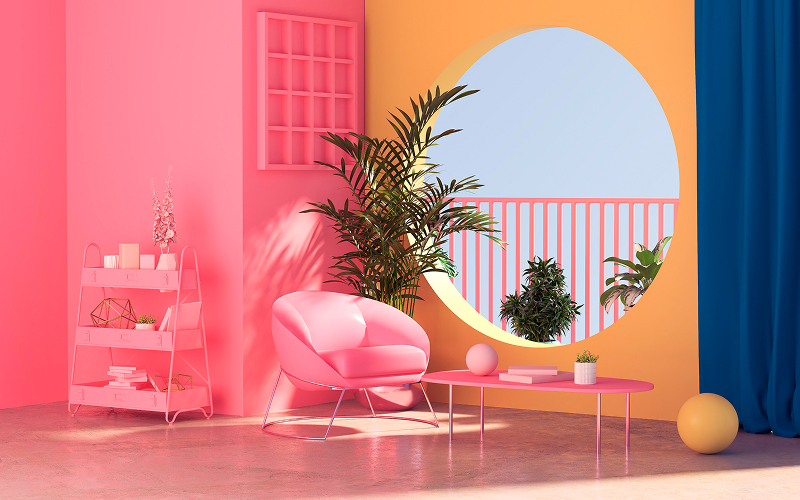
For a generation that openly prioritises mental health, the home functions as a sanctuary for emotional and psychological well-being, rather than as just a physical shelter. This has led to a greater focus on the psychology of interior design, in which spaces are intentionally crafted to evoke joy, comfort, and other positive feelings. This wellness-focused approach is a central pillar of Gen Z’s contemporary interior decor.
This approach rejects the idea that a tasteful home must be neutral or subdued. Instead, it encourages the use of bold, mood-boosting colours, playful patterns, and textures that are comforting to the touch. It is about creating a space that feels personally resonant and uplifting. A key component is the gallery wall, which has become a staple of the Gen Z interior. It is a highly personalised collection of art prints, postcards, personal photographs, and meaningful mementoes that tell a story about the inhabitant’s life, passions, and relationships.
Biophilia, the integration of nature into the built environment, is another critical aspect of this wellness-focused design. Driven by an understanding of the mental health benefits of connecting with nature, Gen Z has embraced indoor plants with enthusiasm. Filling a home with greenery, maximising natural light, and using natural materials like wood and stone are all ways to create a calming and restorative environment, a crucial antidote to the stresses of a fast-paced, urban life.
Ultimately, this pillar is about creating a space that is designed for the inhabitant’s internal experience, not for the approval of external guests. It is a home that supports your mental state, inspires your creativity, and provides a genuine sense of safety and belonging.
Get the Look:
Designing for emotional well-being starts with tuning into what genuinely makes you feel good. The goal isn’t to follow trends but to build a space that energises, soothes, or inspires you whatever you need most from your environment. Small, intentional choices can have a big psychological impact.
- Identify Your Happy Colours: Pay attention to which colours you are naturally drawn to and do not be afraid to use them, even if it is just on an accent wall or through soft furnishings like cushions and throws.
- Curate, Do Not Decorate: When choosing objects for your space, select items that have a personal meaning or story. A gallery wall should be a reflection of you, not a pre-packaged set of prints.
- Start with Easy-Care Plants: If you are new to plant ownership, start with low-maintenance options like snake plants or ZZ plants to build your confidence. The simple act of caring for something green can have a significant positive impact.
The Multi-Functional Reality: Every Square Metre Must Work
The final pillar of the new contemporary style is born from pure necessity. With many Gen Z individuals living in smaller, more expensive urban spaces like HDB BTO flats and condos, especially in a city like Singapore, multi-functionality is not a trend; it is a requirement for modern living. Every piece of furniture and every corner of a room must be optimised to serve multiple purposes.
A key challenge of contemporary interior decor is integrating a functional home office into a limited living space, a need driven by the rise of remote work. This has led to a surge in demand for clever, space-saving solutions like wall-mounted foldable desks, loft beds with integrated workspaces, and stylish room dividers that can create a sense of separation without building a permanent wall.
Furniture is chosen for its versatility. A coffee table must have hidden storage. An ottoman must also function as an extra seat. A dining table often needs to double as a primary workspace during the day. This has led to a preference for modular and convertible pieces that can adapt to changing needs. For instance, a modular sofa can be reconfigured for a movie night with friends or separated into individual seats for a study session.
Even the way spaces are designed has a digital consideration. With much of their social and professional lives happening on screen, many in Gen Z subconsciously design a specific part of their space to serve as an aesthetically pleasing background for video calls or social media. It is a clear reflection of a life that is seamlessly integrated between the physical and digital realms.
Get the Look:
Designing for multi-functionality means thinking beyond how a room looks and focusing on how it works. It’s about creating a living space that adapts to your lifestyle without feeling cluttered or compromised. With the right strategy, even the smallest flat can feel expansive and efficient.
- Invest in High-Quality Convertible Furniture: A well-designed sofa bed or an expandable dining table is a worthwhile investment for a small space.
- Think Vertically: Use the vertical space in your rooms. Tall, narrow bookcases and wall-mounted shelving can store a huge amount without taking up valuable floor space.
- Define Zones with Rugs: In an open-plan or studio apartment, use rugs to visually separate different functional zones, such as the living area from the dining area, creating a sense of order.
READ MORE: 5 Qualities of a Good Interior Design in Singapore
The Embrace of Imperfection: The Wabi-Sabi Aesthetic

A significant departure in contemporary interior decor, driven by Gen Z, is the attraction to textured, tactile, and inherently imperfect surfaces. This movement aligns with the Japanese philosophy of wabi-sabi, which finds beauty in transience and imperfection. It represents a quest for authenticity and a rejection of the sterile, mass-produced perfection that can feel cold and impersonal.
This trend is most visible in the rise of wall finishes like limewash and Roman clay. These applications, with their soft, cloudy textures and subtle variations in colour, create a sense of depth, warmth, and history that a flat coat of paint cannot replicate. The hand-applied nature of these finishes means that no two walls are exactly alike, a quality that is highly prized. Similarly, the popularity of handmade zellige tiles, with their irregular surfaces and colour variations, brings an artisanal and organic feel to kitchens and bathrooms.
This embrace of imperfection extends to furniture and decor. A piece of wood with a prominent grain or a natural knot is not seen as a flaw but as a mark of character. Unlike a perfectly uniform, factory-made mug, a handmade ceramic one with a slightly uneven glaze is often more highly valued for its unique character. This aesthetic choice is a quiet rebellion against the digital world’s pressure for a filtered, flawless presentation. It grounds the home in a sense of reality and tactile comfort, making the space feel more human and lived-in. For Gen Z, this aspect of contemporary interior decor is about creating an environment that is as authentic as they are.
Get the Look:
Leaning into imperfection requires a shift in mindset. Instead of aiming for flawless symmetry or pristine finishes, it means welcoming texture, variation, and signs of the hand that made it. These elements introduce depth and emotional warmth, turning a space into something truly grounded and personal.
- Experiment with Textured Paint: Before committing to a whole room, try a limewash or Roman clay finish on a small accent wall or in an alcove to see how it interacts with the light in your space.
- Seek Out Artisanal Decor: When buying items like vases, bowls, or mugs, look for handmade ceramics. The slight imperfections are what give them their unique character and soul.
- Choose Natural, Unfinished Materials: When selecting wood furniture, opt for pieces with a matte or oil finish that celebrates the natural grain, rather than a high-gloss varnish that conceals it.
Hacking Light: The LED and Neon Revolution
The application of lighting within contemporary interior decor has been completely revolutionised by Gen Z. For this generation, lighting is less a functional utility and more a primary tool for mood creation and self-expression. Driven by the accessibility of affordable and customisable technology, they are hacking light to paint their rooms with colour and personality.
The most ubiquitous tool in this revolution is the LED strip light. Placed strategically behind a desk, under a bed frame, or along the top of a wall, these strips can instantly wash a room in any colour imaginable, completely changing its atmosphere at the touch of a button. This is often complemented by sunset lamps, which project a warm, gradient glow onto a wall, mimicking the calming colours of a sunset and creating a perfect, serene vibe for relaxing or creating content.
Neon (or LED neon) signs have also made a major comeback as a feature of contemporary interior decor, moving beyond commercial signage to become a form of personal art. A custom sign featuring a favourite quote, a personal mantra, or a simple graphic symbol acts as a bold statement piece, infusing a room with a specific personality and a vibrant, energetic glow. This is often paired with smart bulbs that can be controlled via a smartphone, allowing for infinite customisation of a room’s colour and brightness to match any mood or activity, from a focused study session in cool white light to a relaxed movie night in a warm amber.
Get the Look:
Good lighting as contemporary interior decor can transform even the simplest room into something immersive and emotionally charged. By layering different sources of coloured light, Gen Z turns their homes into expressive spaces that shift with their moods, routines, and creative impulses.
- Use LED Strips as Accent Lighting: Instead of making them the main feature, use LED strips to create a subtle glow behind a headboard or a TV console for a more sophisticated, ambient effect.
- Invest in a Quality Sunset Lamp: These are relatively inexpensive and can have a huge impact. Use one to create a warm, inviting corner in your bedroom or living room.
- Control Your Colour Palette: When using smart bulbs or LED strips, choose a limited palette of 2-3 complementary colours to create a specific mood, rather than cycling through the entire rainbow, which can feel chaotic.
The Soft Modern Furniture Philosophy
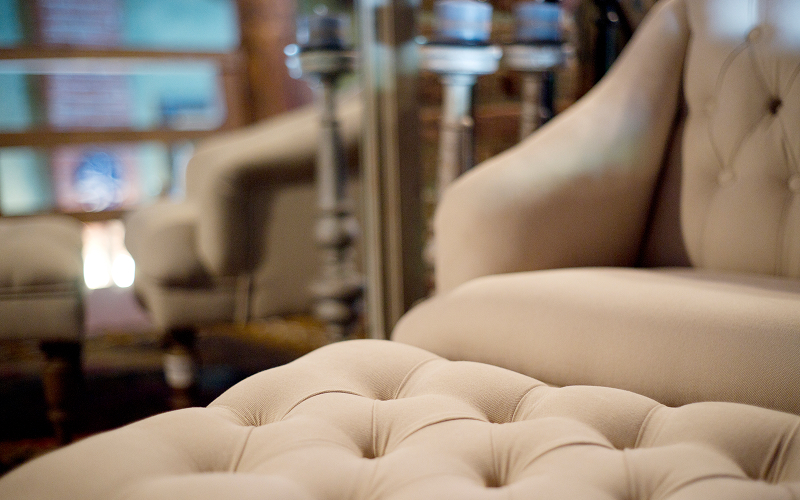
While Gen Z’s approach to contemporary interior decor is eclectic, a clear trend has emerged in their choice of furniture silhouettes: a preference for soft, curved, and organic shapes. This soft modern or curvy trend is a direct reaction against the hard, sharp, and often unforgiving lines of the minimalist modernism that dominated the 2010s.
This new aesthetic in contemporary interior decor is embodied in the immense popularity of bouclé fabric, a looped, textured yarn that is both visually soft and tactilely comforting. Curved bouclé armchairs and sofas have become signature pieces. The cloud couch, with its deep, pillowy cushions and unstructured form, is another icon of this movement, prioritising ultimate comfort over formal structure. This preference for curves extends to other furniture as well. Coffee tables and mirrors are often pond-shaped or asymmetrical, while dining chairs might feature a rounded back.
This design philosophy is deeply connected to the idea of the home as a sanctuary. Soft, rounded shapes are psychologically perceived as more welcoming, gentle, and safe than sharp, angular ones. As an antidote to the stresses of modern life, this choice of furniture helps to create a softer, more cocoon-like environment at home. It is a key part of the wellness-focused approach to contemporary interior decor, where physical comfort is seen as essential for mental well-being.
Get the Look:
Introducing softness into the softness of your contemporary interior decor your space means shifting the balance. Curves and textures can bring warmth and comfort without overwhelming the room. With a few well-placed pieces, you can create a gentle visual rhythm that invites ease and relaxation.
- Start with a Statement Curve: You do not need to replace all your furniture. Introduce a single, significant curved piece, like a round armchair or an arched floor mirror, to soften the lines of a room.
- Balance Curves with Straight Lines: To keep the look grounded and not overly blob-like, pair your curvy furniture with a few straight-lined elements, such as a rectangular rug or a simple, straight-legged side table.
- Soften with Textiles: If you are not ready to invest in new furniture, you can introduce the soft aesthetic with textiles, such as a plush, high-pile rug, round cushions, or heavy, draping curtains.
Conclusion
Gen Z’s approach to the home is a radical and deeply personal departure from the design norms of the past. The new contemporary interior decor is not a single, identifiable style but a vibrant, ever-evolving methodology. It is a practice defined by the rejection of rigid rules in favour of a fluid blend of digital aesthetics. It is driven by a deep commitment to sustainability, where thrifted treasures and upcycled creations are prized over mass-produced goods. It is a philosophy that views the home as a sanctuary for mental well-being, a space to be filled with objects that bring joy and comfort. It is a practical response to the demands of modern life, where every square metre must be multi-functional. And finally, it is a joyful rebellion against sterile minimalism, embracing texture, curves, and curated collections that tell a rich, personal story. In a complex and often overwhelming world, the Gen Z home is a space designed with clear intention: a place not just to live, but to authentically be oneself.
Ready to create a space that is uniquely you? Visit Living Comforts to know how they can help you interpret the new rules of contemporary interior decor.
