
Key Takeaways
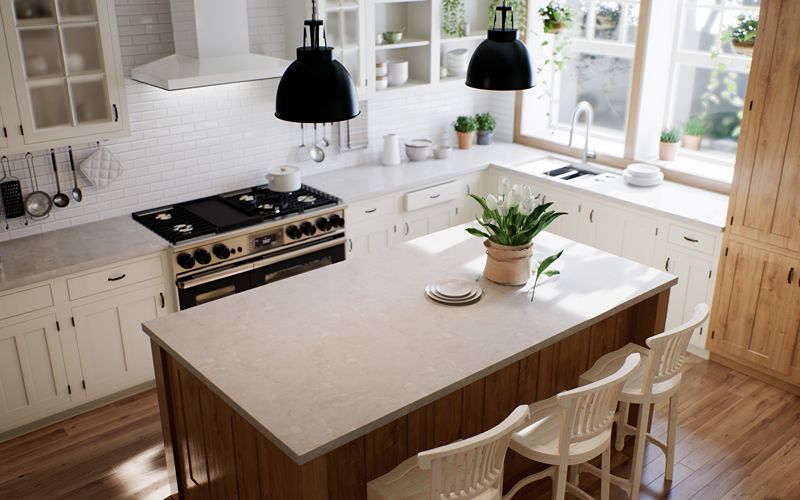
- Kitchen islands guide movement and zoning while keeping open layouts clear and comfortable
- Central island placement helps daily cooking, dining, and shared use happen smoothly
- Storage built into islands reduces clutter and keeps key items within easy reach
- Material choices influence durability, comfort, and how the island fits daily routines
Introduction
Kitchen layouts continue to shift as homes place greater emphasis on shared use, smooth movement, and practical surfaces that handle daily routines with ease. Cooking no longer stays hidden away, and kitchen spaces now sit at the heart of everyday living. Many modern kitchens centre around a feature shaping how cooking, dining, and conversation unfold across the day, creating a sense of order without feeling rigid. Kitchen islands play that role by offering space, structure, and flexibility without demanding attention or visual dominance.
Placement, proportion, and purpose give islands a steady presence within the room. A well-positioned island helps modern kitchens feel organised while staying comfortable and usable during busy hours. Daily routines benefit from a surface that feels familiar and reliable, allowing cooking tasks, casual meals, and short pauses to happen naturally within the same area.
Kitchen Islands and Layout Flow
Creating Natural Movement Paths
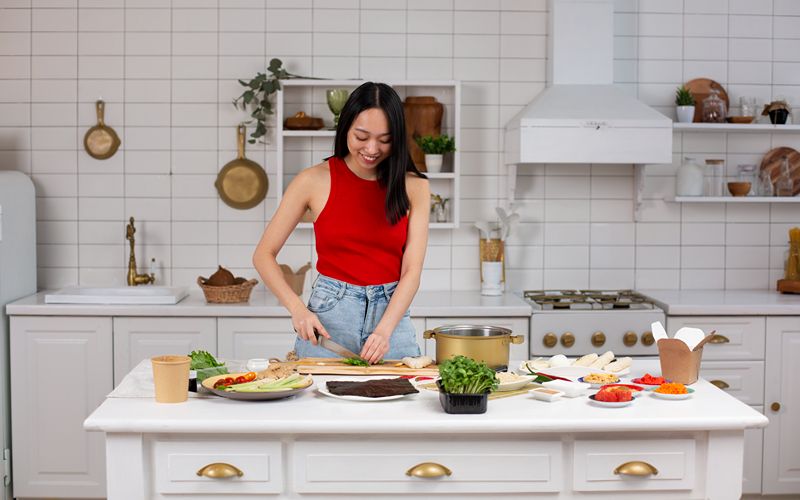
Layout flow matters because cooking involves constant movement between preparation areas, appliances, and storage. Movement increases during shared cooking sessions or family mealtimes, making clear pathways essential. In modern kitchens, an island helps define walkways without closing off space or creating narrow routes that interrupt activity.
Placement encourages smooth circulation, guiding movement around the kitchen while avoiding tight corners or blocked paths. An island positioned with clear spacing allows people to move freely during meal preparation while others pass through without disruption. Flow improves because the island provides a visual centre organising surrounding elements, keeping modern kitchens open even during busy moments.
When pathways remain clear, tasks feel less rushed and more predictable. Movement becomes intuitive, which reduces the need for constant adjustments during cooking or cleaning sessions.
Defining Zones Without Walls
Open-plan homes benefit from subtle structure that separates functions without creating physical barriers. Modern kitchens often connect directly to dining or living areas, making boundaries feel blurred and undefined. An island introduces separation without walls, marking cooking zones while maintaining visual connection across the space.
The island can be used to dictate where cooking happens and where gathering begins, helping each task and activity happen comfortably. Balance of this kind allows modern kitchens to remain social while preserving clarity around daily use. Cooking stays focused, and nearby seating areas remain welcoming without crossing into work zones.
Clear zoning also helps households manage shared spaces more easily, allowing several activities to happen at the same time without confusion.
Keeping Work Areas Balanced
Balanced spacing between the island, counters, and appliances reduces congestion during everyday cooking. Some kitchens use proportion to keep prep areas accessible while movement remains natural, allowing multiple tasks to happen without interruption. Islands help distribute work surfaces evenly, preventing overcrowding along walls and reducing pressure on a single counter area.
Careful spacing supports steady routines, allowing cooking tasks to unfold in a predictable way without frequent repositioning or unnecessary frustration. When work areas stay balanced, cooking feels calmer and more controlled, even during longer sessions.
ALSO READ: How an HDB Open Concept Kitchen Shapes Modern Home Flow
Shared Functions That Make Islands Central

A Place for Preparation and Pause
Food preparation takes time, and modern kitchens benefit from a central surface handling multiple tasks across the day. An island offers room for chopping, mixing, and plating while keeping tools within reach, helping cooking feel steady and organised during regular use.
During quieter moments, the same surface becomes a place to pause, sip tea, or review recipes without leaving the kitchen area. Flexibility of this kind gives modern kitchens a rhythm suited to daily life, allowing activity and rest to share the same space without rigid rules. The island shifts naturally between work and downtime without needing rearrangement.
Casual Dining Without Formal Setup
Formal dining spaces do not always suit daily schedules, especially during busy weekdays. In modern kitchens, islands often double as casual eating areas, offering seating suited to quick meals, short breaks, or informal chats between tasks.
Stools placed along one side encourage interaction while keeping the cooking zone active and clear. The setup allows modern kitchens to serve nourishment and connection without rearranging furniture or changing the overall layout. Meals feel relaxed and spontaneous, fitting easily into daily routines.
Encouraging Social Interaction
Cooking rarely happens in isolation, particularly in homes where kitchens sit close to living areas. Small talk and casual conversation often happens in a kitchen, if the space allows it some light dining too. An island draws people together without placing guests in the cooking path or interrupting workflow.
Friends or family can sit, talk, or help lightly while the cook remains focused on tasks at hand. Shared experiences of this kind strengthen the role of modern kitchens as central living spaces used throughout the day, making the kitchen feel welcoming beyond meal times.
Storage and Practical Use Beneath the Surface
Making Use of Central Storage
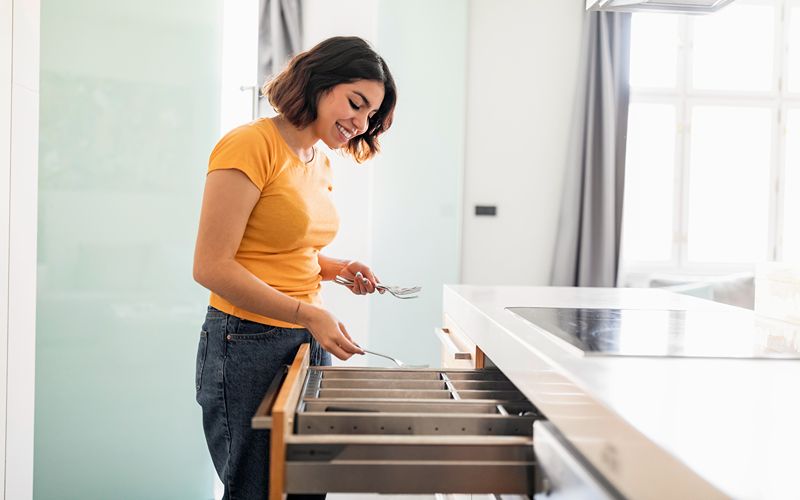
How storage is planned plays a big part in how orderly a kitchen feels during everyday use. Island cabinetry in modern kitchens often holds pots, utensils, or small appliances that get used often, placing them right where food preparation happens and cutting down unnecessary movement around the space.
Easy access to essentials helps tasks stay steady and organised. During busier moments, modern kitchens feel less hectic because commonly used items stay off surrounding counters and within reach, keeping the overall look calm and controlled.
Reducing Wall Cabinet Dependence
Filling every wall with cabinets can make a small space feel boxed in and visually heavy. Storage placed lower down shifts the balance, and in a modern kitchen, island cabinetry takes pressure off overhead units while keeping the room open and easier on the eyes. Lower storage keeps items accessible without stretching or reaching, which supports comfort during daily use.
Using island storage in place of heavy wall cabinetry keeps sightlines open and maintains storage function without making the room feel crowded. Rooms appear less crowded, and movement feels easier without tall cabinetry dominating the space.
Concealing Functional Elements
Daily cooking feels easier when secondary tasks stay close without interrupting preparation. In a modern kitchen, island units sometimes incorporate bins, dishwashers, or wine coolers, allowing cleaning and storage to happen nearby without breaking the flow at the main work surface. With these elements handled in one place, routines stay steady and the space remains comfortable to use throughout the day.
Concealed functions allow the island to maintain a clean appearance, reinforcing its role as a steady anchor within modern kitchens while keeping essential features close at hand.
ALSO READ: Maximise Space with a Stylish Kitchen Island in Singapore
Materials Commonly Used for Kitchen Islands
Stone and Engineered Surfaces
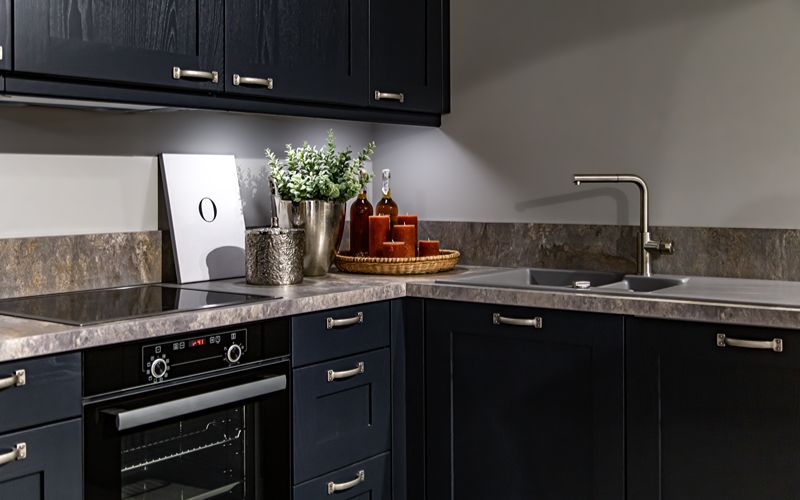
Worktops in a modern kitchen need to handle constant use, which explains why island surfaces are often finished in stone or engineered materials. Materials like quartz or solid stone handle frequent chopping, heat exposure, and spills while keeping maintenance manageable. Surface consistency also helps islands feel visually grounded, which suits open layouts where the island remains visible from multiple angles.
A calm, orderly appearance can come from stone-based finishes in modern kitchens, where surfaces stay visually steady and easy on the eye. Colour tones stay consistent over time, allowing the island to age gracefully alongside surrounding cabinetry and appliances.
Wood for Warmth and Contrast
Surface finishes determine how timber holds up over years of use, which explains why wood is chosen carefully in a modern kitchen when a softer visual balance is needed. Sealed and treated surfaces add warmth while handling moisture, heat, and everyday wear, which keeps islands comfortable and reliable during regular use.
Another thing to consider is that wood works well as a material that brings contrast into the kitchen. Large stretches of stone or cabinetry feel less imposing once timber panels or bases are introduced, and modern kitchens use this contrast to keep island areas welcoming for everyday meals and longer sit-downs.
Metal and Mixed Materials
Island frames, slim trims, and built-in shelving bring metal into the space, adding definition and edge across modern kitchens. Stainless steel and powder-coated metals suit kitchens that favour clean lines and functional expression. Metal elements also pair well with appliances, creating visual continuity across the space.
Many kitchen islands combine materials to balance durability and appearance. Contrast stays controlled when stone worktops meet wood bases or metal details, allowing modern kitchens to feel layered without becoming visually busy.
Frequently Asked Questions (FAQs)
Do kitchen islands work well in smaller or more compact kitchen layouts?
With careful spacing, islands improve flow and storage without making compact kitchens feel cramped.
How much clear space is usually needed around a kitchen island for comfort?
Clear walkways allow safe movement, comfortable cooking, and easy access to nearby storage.
Can a kitchen island realistically replace a separate dining table at home?
Islands often handle casual meals and daily use, reducing the need for separate dining areas.
Are kitchen islands a practical option for improving everyday kitchen storage?
Built-in cabinets keep tools and appliances close, helping kitchens stay organised and calm.
What materials tend to work best for kitchen islands in daily use?
Stone, wood, and metal finishes balance durability, comfort, and visual consistency.
Do kitchen islands change how daily cooking routines usually flow?
Islands centralise prep tasks, helping routines feel steady and less interrupted.
Conclusion
Kitchen islands continue to earn their place because they bring clarity to busy spaces, keep movement intuitive, and give shared tasks a natural centre. Open layouts feel more intentional once an island takes on everyday roles like prep, casual meals, and conversation, allowing activity to gather without competing for space.
Good proportions and thoughtful positioning help an island stay useful as routines evolve. Designed with care, kitchen islands remain a steady feature of modern kitchens, adapting to cooking, gathering, and daily living without needing constant change.
Visit Living Comforts to explore kitchen island designs that fit how you use your space and complement modern kitchen layouts with comfort, clarity, and lasting practicality.
