
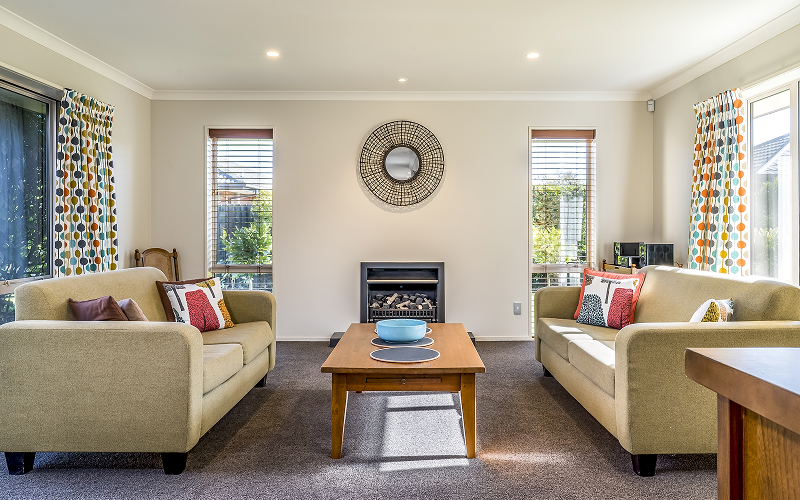
Singapore homes follow unique constraints—limited floor area, vertical layouts, and strict renovation rules. With these in mind, homeowners often seek practical yet stylish solutions. Each flat or house, whether HDB, condominium, or landed property, benefits from tailored choices that enhance comfort, flow, and visual appeal. Rather than chasing global trends, residents explore approaches that adapt well to local climate, lifestyle, and spatial conditions.
Choosing the recommended interior design in Singapore means balancing function with personality. It involves selecting a style that complements everyday routines while maximising space and light. Certain aesthetics offer greater compatibility with compact layouts or humid weather. Others support a sense of calm, clarity, or bold expression.
This guide outlines tried-and-tested design styles that resonate with Singapore homeowners. Each section highlights how specific approaches help create inviting and liveable interiors suited for long-term use.
1. Embracing Modern Minimalism for Compact Homes
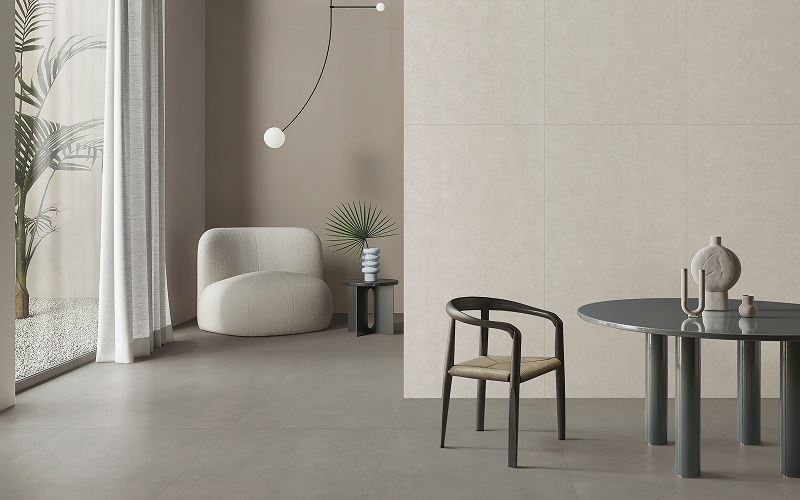
Modern minimalism remains a leading recommendation in Singapore due to its clean lines and uncluttered layout. As flats grow increasingly compact, this style creates open, breathable interiors. Minimalist spaces prioritise function, natural light, and neutral tones. Furnishings follow a less-is-more principle. Designers favour built-in storage, sleek cabinetry, and streamlined furniture that reduces visual bulk.
Soft whites, beiges, and greys help smaller spaces feel more expansive. Matte finishes and natural textures add warmth without clutter. Light wood tones and indoor greenery balance the simplicity. Open shelving, recessed lighting, and concealed hardware further support a calm, efficient living environment.
Many HDB flats reflect this aesthetic because it reduces clutter while enhancing utility. Homeowners in Singapore continue adopting modern minimalism for its timeless appeal and ease of maintenance. Among the recommended interior designs in Singapore, this remains one of the most versatile and customisable choices.
2. Adopting Scandinavian Warmth with Local Flair
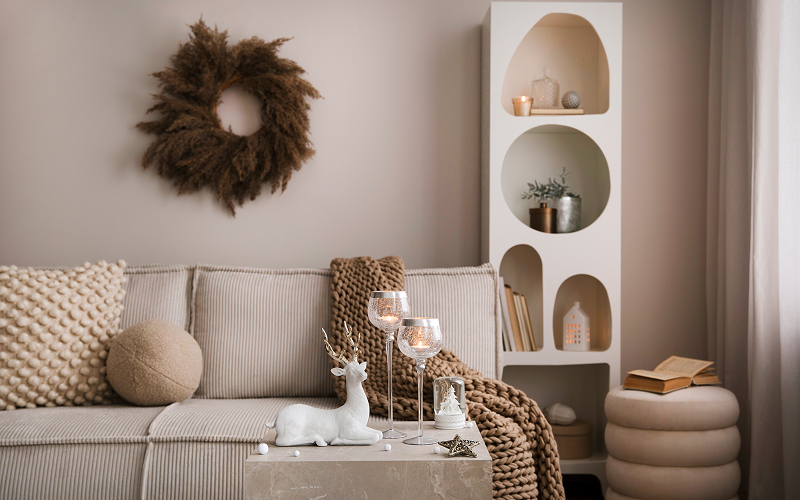
Scandinavian design fits naturally into Singapore’s tropical lifestyle. It emphasises comfort, simplicity, and light, making it suitable for HDB flats, condominiums, and landed homes. White walls, pale timber, and soft textiles form its foundation. Homeowners layer texture through rugs, throws, and cushions to achieve a calm, cosy atmosphere.
The appeal lies in balancing aesthetics with practicality. Designers incorporate clean lines softened by gentle textures. Neutral palettes with pastel accents prevent visual monotony. Pendant lights and low-profile furniture support open-plan layouts.
In Singapore, tropical wood and rattan accents localise this Northern European concept. Designers also integrate ventilation features and ceiling fans to suit the climate. Scandinavian style earns its place among recommended interior design in Singapore for its relaxed tone, functionality, and layout flexibility.
3. Highlighting Japandi for Balanced Living
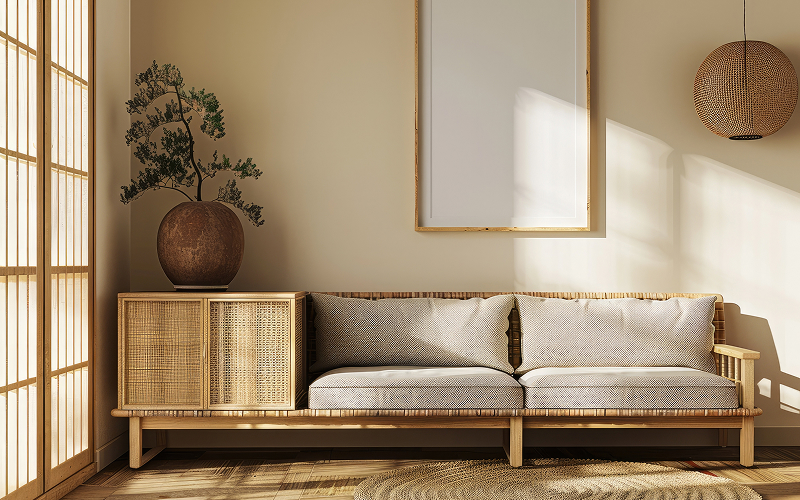
Japandi design has gained popularity in Singapore for its calm, clutter-free, and highly functional approach. Combining Japanese minimalism with Scandinavian warmth, it features natural materials such as wood, stone, and linen. Spaces adopt earthy colour palettes, textured walls, and low-set furniture.
Singapore homeowners value Japandi for its lifestyle-enhancing qualities. Interiors feel grounded and centred. Storage remains essential, often concealed in modular units and floating shelves. Designers favour sliding partitions and shoji-style screens to create adaptable zones.
Muted tones and curated décor align with wellness and mindfulness. Japandi interiors offer sophistication and restraint without compromising daily functionality. Among the recommended interior designs in Singapore, Japandi stands out for blending serenity with practicality.
4. Integrating Industrial Style with Soft Edges
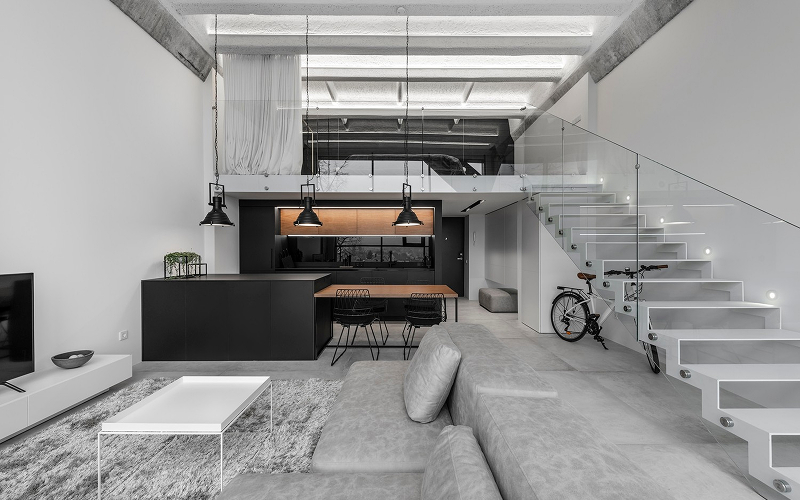
Industrial design suits lofts, BTO flats, and urban apartments in Singapore. It features raw textures, exposed fittings, and darker tones. Elements like cement screed walls, black-framed fixtures, and brick veneers provide visual impact.
However, too much harshness can overwhelm smaller homes. Designers soften the look using warm lighting, comfortable furnishings, and greenery. Layering textures—such as placing soft rugs over concrete floors—adds comfort while preserving the industrial feel. Open shelving and matte black hardware introduce modern utility without excess.
In compact spaces, combining industrial elements with softer features delivers balance. This style provides a bold, urban identity while staying adaptable. Among recommended interior design in Singapore, industrial design appeals to homeowners seeking expressive, contemporary character.
5. Exploring Muji-Inspired Simplicity
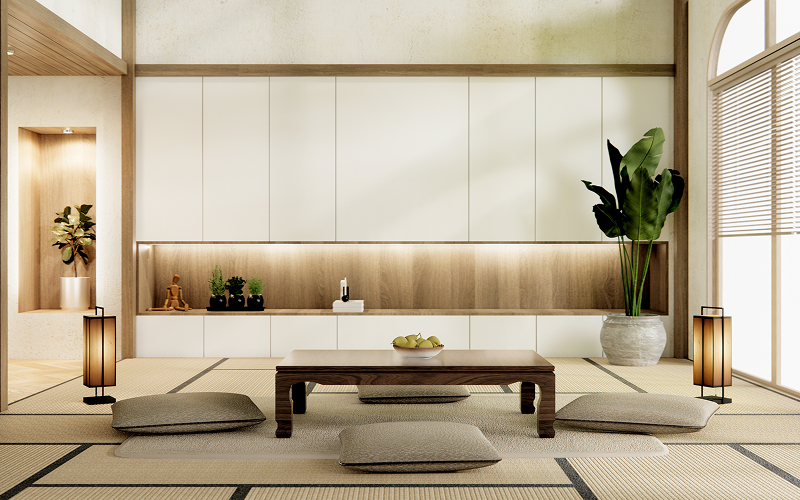
Muji-style interiors continue attracting young homeowners in Singapore. Inspired by Japanese aesthetics, this design promotes serenity and functionality. Pale wood, open shelving, and low-profile furniture help create calm, breathable layouts.
Neutral tones such as white, oatmeal, and light grey dominate. Indoor plants, woven baskets, and modular storage maintain order. Compared to stricter minimalism, Muji-inspired design feels warmer and more lived-in. It supports multifunctional living, ideal for limited spaces.
Muji aesthetics align with fast-paced urban lifestyles. They require low maintenance, minimise visual noise, and enhance personal comfort. As part of the recommended interior design in Singapore, Muji-inspired interiors offer clarity, ease, and peaceful living.
6. Celebrating Contemporary Peranakan Influence
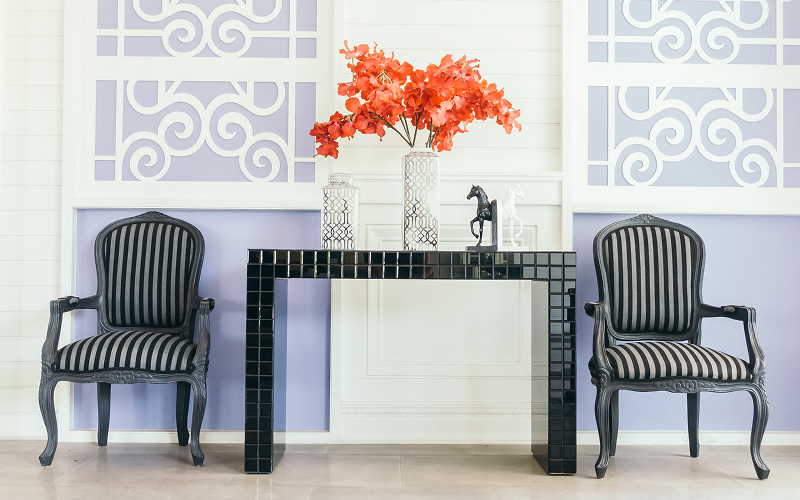
Peranakan-inspired design celebrates heritage while embracing modern utility. Patterned tiles, wooden furniture, and bold colours such as blue, green, and coral define this look. Layering textures and patterns create nostalgic yet functional spaces.
Peranakan features work best when integrated into a subtle base. Designers apply traditional tiles in kitchen backsplashes, bathroom floors, or entrances. Carved wood panels and shutter-style doors introduce artisanal detail. Homeowners often balance vibrant accents with neutral walls and soft lighting.
In Singapore, Peranakan influences reflect cultural pride and identity. Though common in landed properties and conservation homes, the style adapts well to flats. Among recommended interior design in Singapore, this approach adds authenticity, warmth, and visual richness.
7. Leveraging Transitional Style for Flexible Living
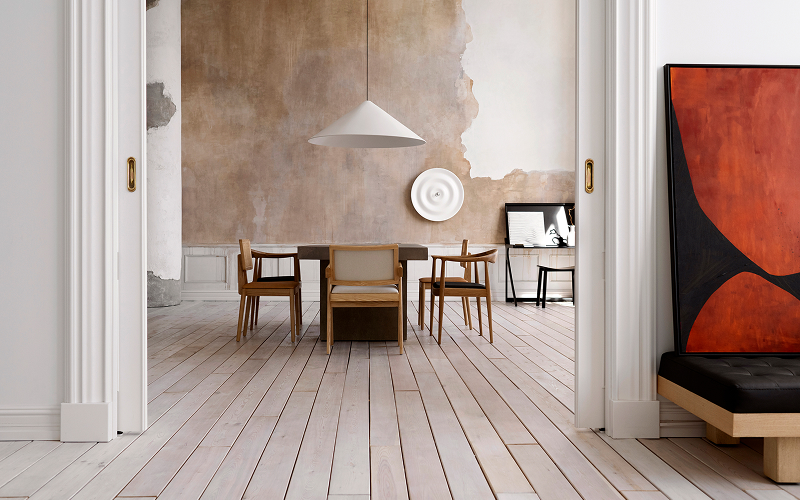
Transitional interiors blend classic and contemporary design elements, offering flexibility for evolving tastes. This style suits Singapore homeowners looking to update furnishings over time without losing visual harmony. Symmetry, soft neutrals, and refined details define the aesthetic.
Designers use wooden accents, upholstered seating, and elegant lighting to create balance. Tonal palettes often feature taupe, cream, and dusty blue. Furniture combines clean silhouettes with classic touches such as tufting and trims. The result feels composed yet approachable.
The transitional design supports multi-generational living and adaptable layouts. It offers longevity without sacrificing modern sensibilities. As one of the recommended interior designs in Singapore, transitional interiors allow timeless elegance with the freedom to evolve.
8. Enhancing Space Through Monochrome Themes
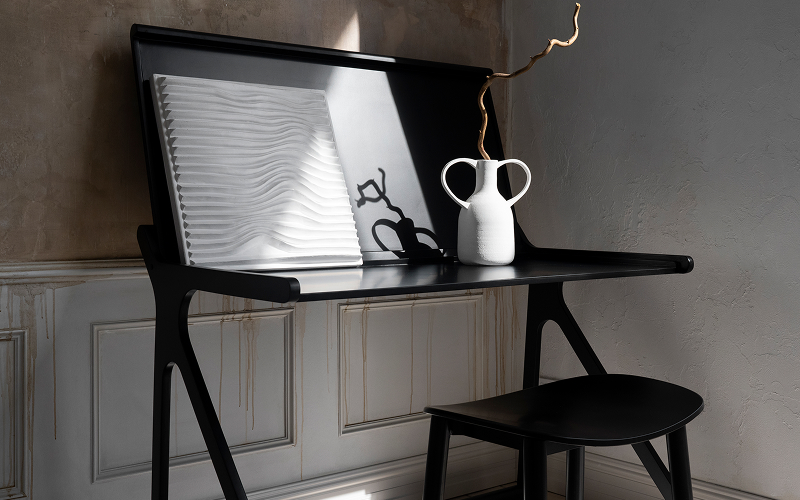
Monochrome interiors rely on black-and-white contrasts for visual clarity and impact. In Singapore, where homes often have limited floor areas, this theme offers a bold yet disciplined style. Designers use texture to add depth—pairing matte walls with glossy cabinets or linen textiles with leather seating.
Lighting plays a critical role in softening monochrome spaces. Warm-toned LED strips, pendant lights, and layered illumination prevent harshness. Mirrors, glass elements, and chrome details help expand perceived space.
While minimal in colour, monochrome themes allow easy coordination across rooms. Among recommended interior design in Singapore, this approach suits professionals and couples seeking clean, modern elegance with minimal visual noise.
9. Turning to Eclectic Styling for Personality
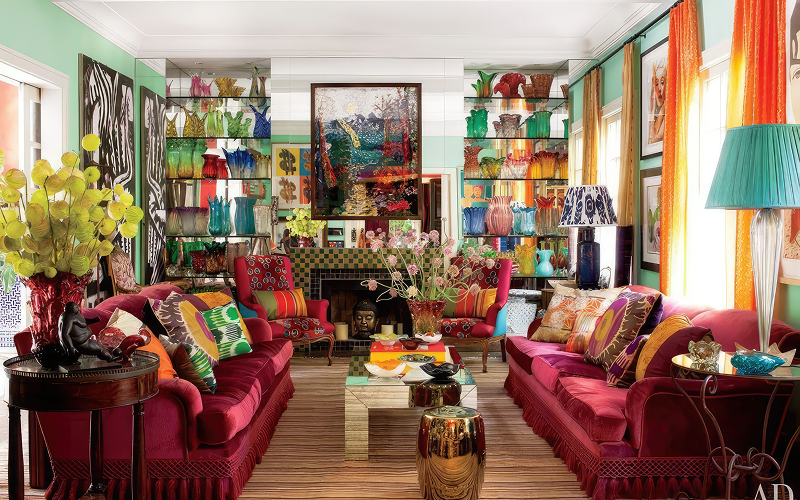
Eclectic interiors let homeowners express identity through contrast. This style embraces the blending of textures, eras, and patterns. It prioritises individuality over uniformity. Designers usually select a grounding colour, such as navy or beige, then layer in diverse elements deliberately.
Vintage armchairs, bohemian rugs, or art deco lighting can serve as focal points. Over time, the space evolves through curated items, travel mementoes, and unique décor pieces. No two eclectic homes look the same, which adds charm.
In Singapore, eclectic interiors reflect personal stories. As part of the recommended interior design in Singapore, this approach speaks to creative homeowners and collectors who value character, exploration, and expression.
ALSO READ: Why Eclectic Interior Design Works For Bold Personality Bedrooms
10. Maximising Comfort with Resort-Inspired Interiors
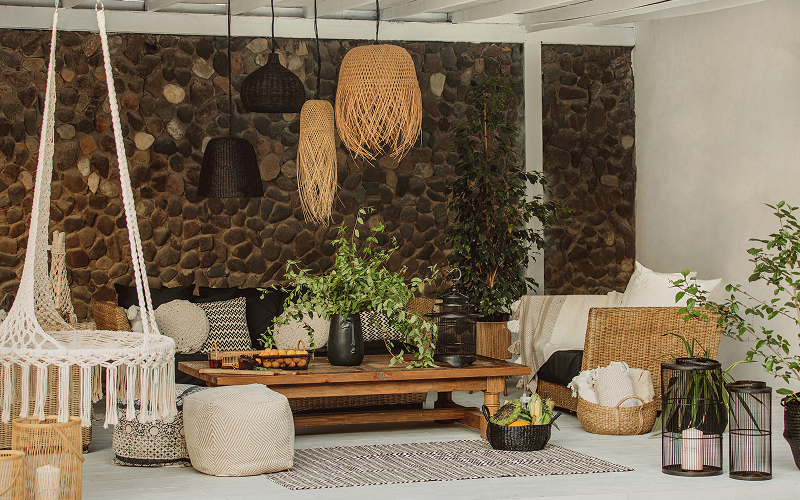
Resort-style interiors bring a sense of relaxation and luxury to daily life. Influenced by tropical retreats, this design works seamlessly with Singapore’s climate. Materials such as rattan, linen, and teak take centre stage. Open layouts, soft curtains, and ceiling fans enhance airflow.
The colour palette favours whites and earth tones, with touches of green or terracotta. Key features include daybeds, pendant lighting, and indoor palms. This design fits well in homes with balconies, patios, or cross-ventilation.
Resort-inspired spaces support well-being and downtime. They also offer practical advantages like easy cleaning and versatile furniture placement. Among the recommended interior designs in Singapore, this style provides an oasis for modern living.
Choosing Styles That Reflect Lifestyle
Every home tells a story, and the interior design should reflect the people living in it. Beyond aesthetics, successful design supports daily habits, emotional well-being, and long-term satisfaction. Singapore homeowners balancing work, rest, and social life require spaces that adjust to changing routines. Selecting the recommended interior design in Singapore involves understanding how each style supports storage, movement, and comfort without sacrificing personality.
Whether aiming for calm through muted palettes or creativity through bold textures, aligning style with lifestyle ensures lasting satisfaction. A well-planned home becomes not just a place to live—but one that evolves with you.
Conclusion
Designing a home in Singapore requires thoughtful consideration of lifestyle, space, and visual identity. Styles such as modern minimalism, Scandinavian, and Japandi offer streamlined function and calm aesthetics. Others like Peranakan, industrial, or eclectic design add personality and cultural connection. While there is no one-size-fits-all answer, exploring recommended interior design in Singapore helps homeowners find the most suitable fit for their needs.
Start shaping your living space with confidence. Visit Living Comforts for room ideas, décor inspiration, home design tips, and lifestyle guidance tailored for Singapore living.
