
Key Takeaways
- Many shoppers rush the process and overlook how daily habits affect sofa comfort and durability.
- Measuring mistakes remain one of the biggest reasons a sofa looks right in-store but wrong at home.
- Materials matter more than style when searching for the best sofa in Singapore’s climate.
- Ignoring long-term use often leads to regret within the first year.
- A sofa should support real life, not just showroom aesthetics.
| Table of Contents |
| Introduction12 Common Mistakes Shoppers Make When Searching for the Best Sofa in SingaporeFalling for Looks AloneMisjudging Size and ProportionsOverlooking How the Sofa Is Actually UsedChoosing the Wrong Materials for Singapore HomesForgetting About Comfort Until It’s Too LateUnderestimating Frame and Cushion QualitySkipping Maintenance and Care ConsiderationsIgnoring Lifestyle Changes and Future NeedsGetting Distracted by Short-Term Deals and PromotionsOverlooking Delivery Constraints and Access IssuesAssuming One Sofa Suits Every RoomRelying Too Heavily on Online Images and ReviewsFrequently Asked Questions (FAQs)Conclusion |
Introduction
A sofa is rarely just a piece of furniture. It becomes the centre of daily routines, weekend naps, family movie nights, and quiet evenings scrolling on a phone. However, many shoppers still make avoidable missteps when hunting for the best sofa in Singapore. Showrooms feel polished, lighting is flattering, and everything looks comfortable for the ten minutes spent testing it. Real life, however, has a way of exposing poor choices quickly.
Understanding where others go wrong helps avoid expensive regrets. From sizing errors to material mismatches, these mistakes tend to repeat across households. With a little awareness, the search for the best sofa in Singapore can feel far less stressful and far more satisfying.
12 Common Mistakes Shoppers Make When Searching for the Best Sofa in Singapore
1. Falling for Looks Alone
It happens more often than people admit. A sofa catches the eye instantly. The colour works, the shape feels current, and it looks perfect for social media photos. While visual appeal is important, focusing solely on aesthetics is a common misstep when choosing a sofa in Singapore.
A sleek silhouette may look impressive yet offer little back support. Extra-low seating can feel trendy but quickly becomes uncomfortable for older family members. What looks good in a catalogue might not suit long evenings at home. A sofa should still feel inviting after two hours, not just two minutes.
That initial attraction is fine. The mistake is stopping there.
2. Misjudging Size and Proportions
Another familiar issue lies in measurements, or the lack of them. Many shoppers rely on memory or rough estimates when choosing the best sofa in Singapore, only to realise later that it overwhelms the living room or leaves awkward gaps.
Singapore homes vary widely. HDB flats, condominiums, and landed properties all pose different layout challenges. A deep sofa may block walkways in compact spaces, while a small model can feel lost in larger rooms. Arm width, seat depth, and back height all influence how a sofa fits visually and physically.
Measuring the space carefully, including clearance for doors and foot traffic, saves frustration. Tape on the floor often reveals issues that imagination misses.
3. Overlooking How the Sofa Is Actually Used
Here’s a subtle one. Many shoppers imagine an ideal lifestyle rather than their real one. A sofa should align with how a household truly functions, rather than an idealised version of daily life.
Homes with children need durable fabrics and forgiving cushions. Pet owners benefit from materials that resist scratches and fur. Those who host frequently may want modular seating or deeper cushions. A sofa meant mainly for lounging feels different from one used for formal entertaining.
Ignoring these habits often leads to sofas that feel mismatched within months. Comfort is personal, and usage patterns matter more than trends.
4. Choosing the Wrong Materials for Singapore Homes

Climate plays a bigger role than many expect. In Singapore’s climate, sofa materials should be chosen with heat and humidity in mind, alongside personal style preferences.
Leather looks refined but can feel sticky without air-conditioning. Some fabrics trap heat or show wear quickly in humid conditions. Synthetic blends may resist moisture better, while tightly woven fabrics handle daily use more gracefully.
Breathability, ease of cleaning, and durability should guide material choices. What works in cooler climates does not always translate well locally. A beautiful sofa loses its charm fast if it feels uncomfortable most of the year.
5. Forgetting About Comfort Until It’s Too Late
Comfort often becomes an afterthought. Shoppers sit briefly, nod in approval, and move on. But comfort defines whether a sofa becomes loved or avoided. A well-designed sofa provides natural support without the need for constant readjustment or extra cushions.
Seat height affects how easily one stands up. Cushion firmness determines whether the sofa feels supportive or sink-in soft. Backrest angles influence posture over time. These details rarely reveal themselves in quick tests.
Spending extra time seated, changing positions, and even imagining long evenings helps uncover issues early.
READ MORE: 8 Fresh Living Area Interior Design Ideas for Modern Homes
6. Underestimating Frame and Cushion Quality
What lies beneath the upholstery matters more than many realise. A sofa may feel fine initially, but it can lose its shape within a year if the internal structure is weak. For those seeking the best sofa, build quality should never be overlooked.
Solid wood frames generally outlast cheaper alternatives. High-density foam cushions maintain support longer than overly soft fills. Well-made joints reduce creaking and sagging over time.
These features are not glamorous, yet they define longevity. A sofa that ages well often feels better after months of use, not worse.
7. Skipping Maintenance and Care Considerations

Every sofa needs care, even the most durable ones. Shoppers sometimes ignore cleaning requirements until stains appear. Selecting a sofa in Singapore also involves considering long-term care and maintenance.
Light-coloured fabrics look elegant but demand frequent cleaning. Removable covers offer flexibility. Some materials respond well to regular vacuuming, while others need professional care.
Maintenance habits vary by household. Matching the sofa to realistic cleaning routines avoids unnecessary stress later on.
8. Ignoring Lifestyle Changes and Future Needs
A sofa purchase often assumes life stays the same. Yet households change. Children grow, work-from-home arrangements shift, and entertaining habits evolve. A good sofa should offer a degree of adaptability to changing needs.
Modular designs adapt more easily. Neutral colours age better across style changes. Durable materials handle years of use with less visible wear.
Thinking slightly ahead prevents the sofa from feeling outdated too quickly. A little foresight goes a long way.
9. Getting Distracted by Short-Term Deals and Promotions
Sales events can be tempting. Warehouse clearances, festive promotions, and limited-time discounts often create urgency. Although budget is important, allowing cost alone to drive the decision is another frequent mistake when searching for the best sofa in Singapore.
A heavily discounted sofa may compromise on frame quality or cushion support. Some promotions focus on outdated models that no longer suit modern layouts or lifestyles. Others bundle features that look generous but add little daily value.
A better approach is to assess whether the sofa fits long-term needs first, then evaluate whether the price makes sense. A slightly higher upfront cost often pays off through durability and comfort. Bargains feel good briefly; regret lasts longer.
10. Overlooking Delivery Constraints and Access Issues
Delivery rarely crosses a shopper’s mind until it becomes a problem. Narrow lifts, tight staircases, and compact corridors are realities in many Singapore homes. Overlooking these considerations can undermine even the most thoughtful search for the best sofa in Singapore.
Some sofas cannot be disassembled easily. Others require additional handling fees due to size or weight. Delivery delays also occur when access issues surface late in the process.
Confirming measurements beyond the living room matters. Lift dimensions, door widths, and turning angles all affect whether a sofa arrives smoothly or becomes a logistical headache. Reputable retailers usually conduct checks or advise early, which saves time and frustration.
11. Assuming One Sofa Suits Every Room
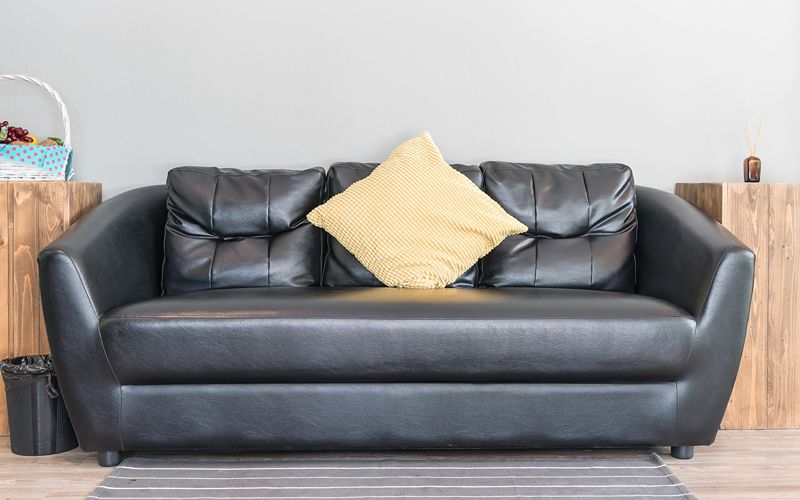
Not every living space functions the same way, yet shoppers often apply a one-size-fits-all mindset. The best sofa in Singapore for a formal living room may feel awkward in a family lounge or entertainment space.
Some rooms benefit from structured seating with firmer cushions. Others work better with relaxed, lounge-style sofas. Lighting, ceiling height, and surrounding furniture also influence how a sofa feels in context.
Treating the sofa as part of a larger room ecosystem leads to better outcomes. When the sofa supports how the space is used, the entire room feels more balanced and welcoming.
12. Relying Too Heavily on Online Images and Reviews
Online browsing is convenient, but it has limits. Photos flatten textures and hide scale. Reviews reflect individual preferences that may not match local lifestyles. Depending only on online images can lead to unrealistic expectations when looking for a sofa in Singapore.
What looks plush online may feel stiff in person. Colours often appear different under home lighting. Comfort, especially, is hard to judge through screens.
Seeing and testing sofas physically bridges this gap. Online research works best as a starting point, not the final decision-maker. A sofa is still something the body needs to experience.
Frequently Asked Questions (FAQs)
How long should a good sofa last?
A well-made sofa typically lasts seven to ten years with regular use. Frame quality, cushion materials, and daily habits all influence lifespan.
Is a firmer or softer sofa better?
Neither is universally better. Firmer sofas offer better long-term support, while softer ones feel cosy initially. Personal comfort and usage matter most.
Are modular sofas practical for Singapore homes?
Yes, especially for flexible layouts. Modular sofas adapt to space changes and suit households that rearrange furniture often.
Does price always reflect quality?
Not always. While quality materials cost more, some expensive sofas prioritise design over durability. Examining construction details helps judge value accurately.
Should a sofa match the rest of the furniture exactly?
Not necessarily. A sofa can complement existing pieces without matching perfectly. Balance and proportion matter more than identical finishes.
Conclusion
Finding the best sofa in Singapore involves more than choosing what looks appealing in a showroom. Mistakes often stem from rushing decisions, overlooking daily habits, or ignoring climate and space realities. When comfort, size, materials, and long-term use align, a sofa becomes a lasting part of the home rather than a constant compromise.
Thoughtful choices reduce regret and increase enjoyment, day after day. For more practical guides and lifestyle insights, visit Living Comforts to explore the latest content and updates.
