
Key Takeaways
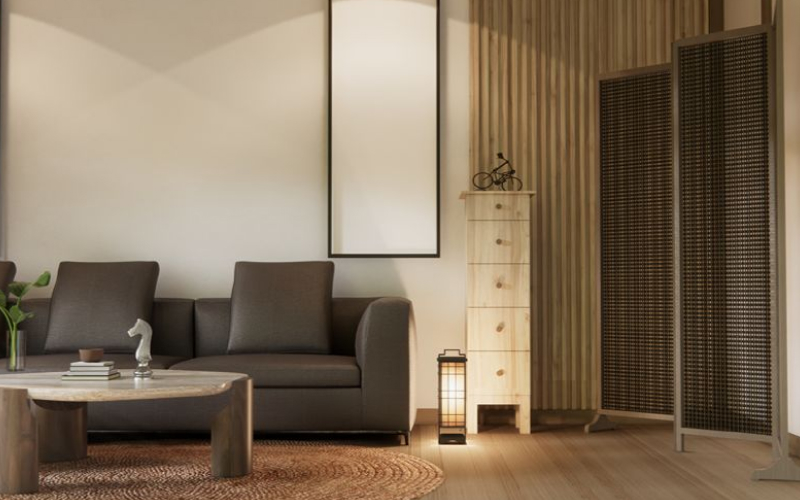
- Japandi interior design focuses on calm layouts, natural materials, and spaces that support daily living.
- Neutral colours and low-profile furniture help homes feel open, steady, and easy to live in.
- Storage, lighting, and layout choices work together to reduce visual clutter and mental noise.
- Personal touches sit comfortably within Japandi interior design without disrupting balance or function.
Introduction
Homes inspired by Japandi interior design often feel calm without looking bare and practical without feeling cold. The idea blends Japanese respect for simplicity with Scandinavian habits of comfort. Everyday spaces use fewer objects, yet every item earns its place. Nothing shouts for attention, but everything quietly does its job. Think of it as a room that knows when to speak and when to stay quiet, like a polite guest who always brings snacks.
The appeal sits in balance rather than display. Rooms aim for ease of use, steady colours, and layouts that support daily routines. Furniture stays low and grounded, helping spaces feel open even when size feels tight. The result suits modern living, where homes need to work hard without showing off.
Materials That Feel Honest and Familiar
Wood, Stone, and Natural Fibres
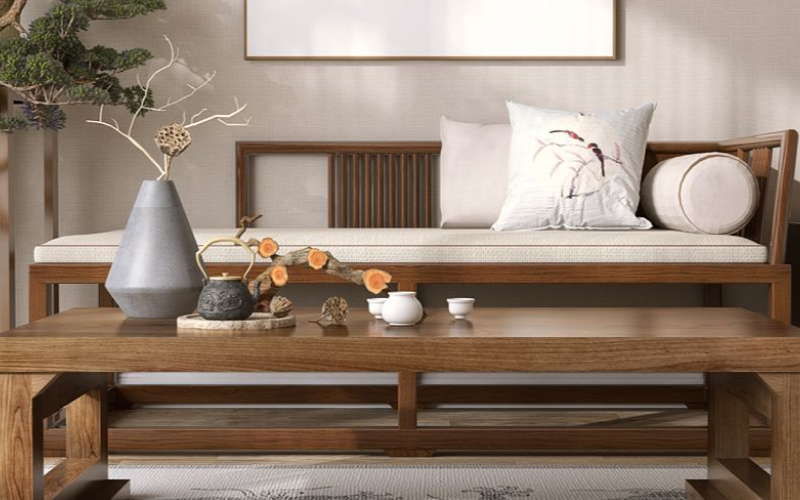
A strong material story sits at the core of Japandi interior design, helping rooms feel grounded and real. Wood plays a central role, often with visible grain and soft finishes. Light oak, ash, or walnut appear in flooring, tables, and shelving. Stone adds weight through countertops or small decorative pieces. Linen, cotton, and wool soften harder surfaces and keep rooms welcoming.
It’s pretty known that strong natural materials age well and gain character through daily use. Eventually, it will form scratches, and marks which add to its natural feel. A relaxed view of wear and ageing removes pressure from homeowners who prefer lived-in spaces over showroom looks. Although too much wear and tear can lead you to replace those items, it should last a long time if made with durable materials.
Surfaces That Avoid Gloss and Glare
High shine finishes rarely appear in settings influenced by Japandi interior design. Matte surfaces reduce reflection and help rooms feel settled. Walls often feature soft paint finishes or subtle texture. Cabinets and tables avoid heavy polish. Light moves gently across the room instead of bouncing around.
Choices like these help reduce visual noise. Rooms become easier on the eyes, especially after long days. A calm surface palette supports rest, reading, and quiet conversations without demanding attention.
Colour Palettes That Keep Things Steady
Neutral Tones With Warm Undertones
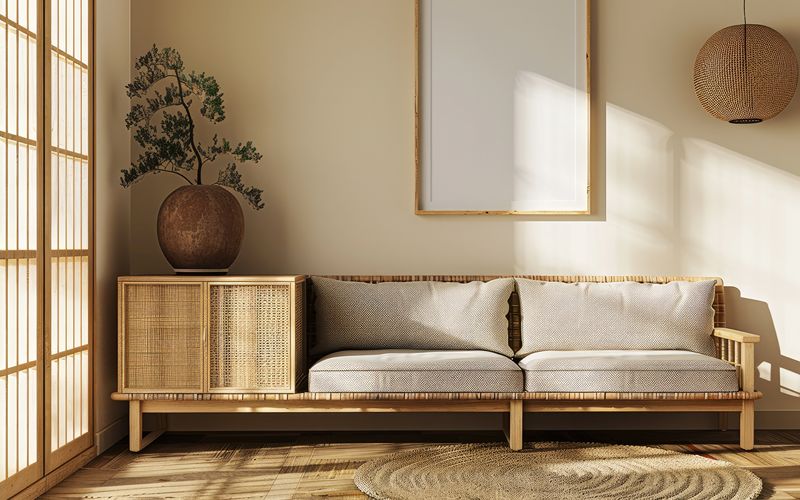
Beige, soft grey, warm white, and muted earth tones often define colour choices across Japandi interior design. Darker accents appear through charcoal, deep brown, or soft black. Colours stay grounded and avoid sharp contrast.
The aim is to create a visual rhythm that flows between rooms. Walls, floors, and furniture feel connected with each other. The palette acts like background music, present but never distracting.
Small Colour Pops Used Carefully
Although neutral tones dominate, subtle colour moments still appear across Japandi interior design. A muted green cushion, a clay-toned vase, or a dusty blue throw adds interest without breaking harmony. Colour appears sparingly and often references nature.
Having small touches of colour prevents rooms from feeling flat. They add personality while keeping the overall mood calm. Like seasoning in cooking, a little goes a long way.
Furniture Choices That Support Daily Living
Low Profile Pieces and Clean Lines
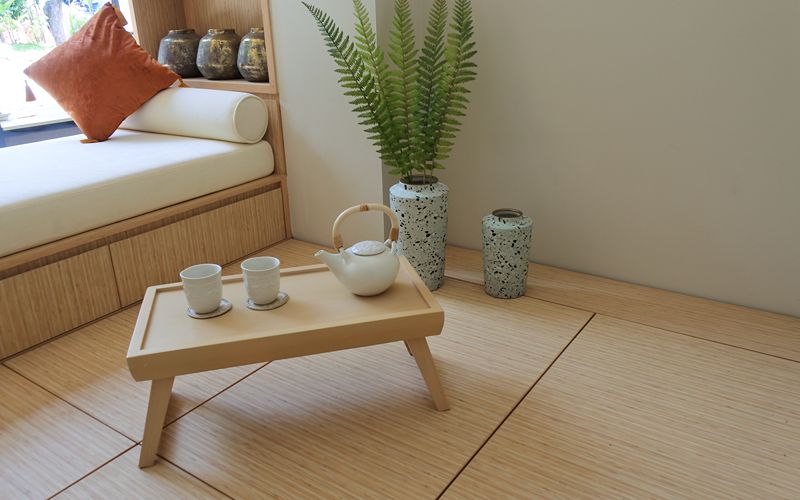
Furniture choices play a key role, with Japandi interior design favouring pieces that sit low to the ground. Sofas, beds, and tables often feature short legs or rest close to the floor. Such proportions help rooms feel open and balanced.
Clean lines matter more than decoration, with carved details kept deliberately minimal to maintain a calm, uncluttered look that feels easy on the eyes. Shapes feel straightforward, making furniture easy to live with and move around.
Fewer Pieces With Clear Purpose
Rooms shaped by a Japandi interior tend to stay uncluttered because furniture earns its place through function. Tables can handle both dining and work, benches double up as seating and storage, and flexible pieces suit homes where space needs to work harder.
A preference for order and restraint becomes clear within the home. Clutter remains limited, and the overall environment feels steady and composed over time. Furniture and storage exist with clear intent, contributing to a space that appears organised without feeling rigid or overworked.
Layouts That Encourage Flow and Breathing Space
Open Sightlines and Thoughtful Placement
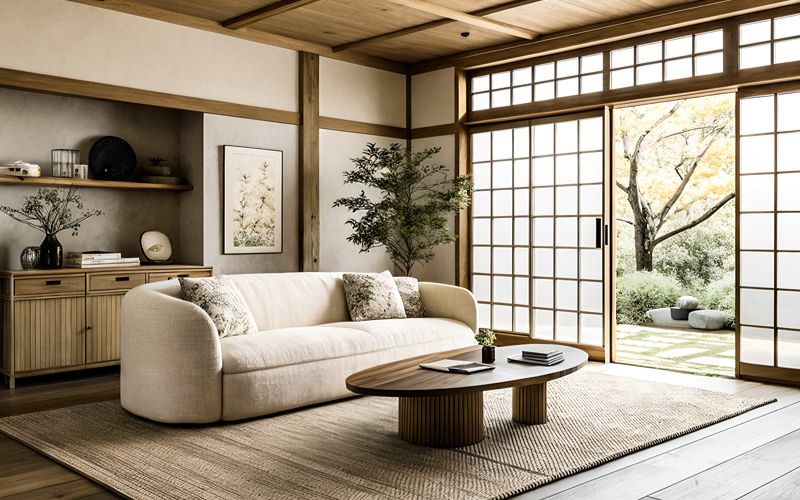
Clear movement guides how furniture is arranged, keeping pathways open and sightlines uninterrupted when planning a Japandi interior. Even with defined zones, spaces continue to feel visually linked and easy to move through.
Open sightlines create a sense of ease when walking around a room. Moving through the home feels natural with no risk of bumping into things. Any space in a home should support movement, rest, and social moments without obstacles.
Zoning Without Heavy Dividers
Soft boundaries typically replace fixed walls, using rugs, lighting, or furniture placement to shape different areas. In Japandi interior design, a dining space can move smoothly into a living area while keeping its own identity, with open shelving or light screens offering separation without closing the room off.
Homes need to adapt easily to work, meals, and downtime without major changes. Flexibility becomes part of the design.
Lighting That Feels Soft and Considered
Natural Light as a Starting Point
Large windows and bright interiors shape the mood of a space, and Japandi interior design naturally leans into daylight to keep rooms feeling calm and open. Windows stay uncovered or use sheer fabrics that filter light gently. Daylight highlights textures and keeps rooms feeling fresh.
Place the furniture in a way it doesn’t block any windows. Mirrors reflect light softly, allowing rooms to feel awake during the day and relaxed in the evening.
ALSO READ: Maximising Natural Light Through Smart Condo Interior Design in Singapore
Simple Fixtures With Warm Glow
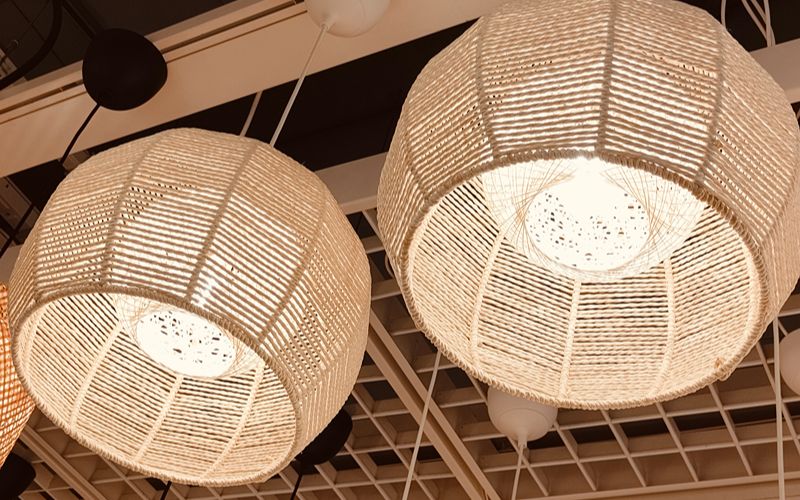
Soft, warm lighting supports relaxed evenings, with simple lamps and gentle bulbs setting the tone. Japandi interior design often favours lighting that feels calm and easy on the eyes.
Bright light is good when having to do tasks or chores, while softer options suit when you need to rest. Lighting serves the space quietly, like good manners after sunset.
Storage Solutions That Hide Without Disappearing
Built-In Storage With Clean Fronts
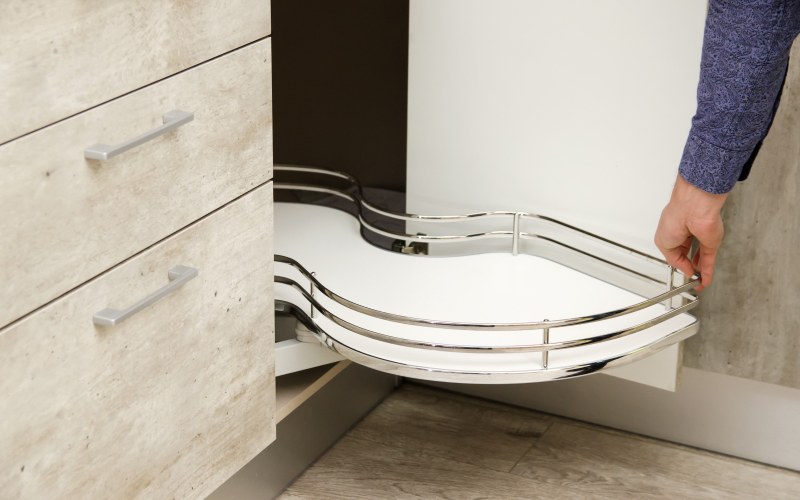
Visual order plays a big part in how a room feels, which gives storage a clear purpose. Japandi interior design places value on keeping everyday items neatly out of sight. Built-in cabinets with flat fronts keep items out of sight. Handles stay minimal or disappear entirely. Bedframes with storage that make a bedroom much larger than it is.
A fun way to reduce visual clutter and help rooms feel spacious is with hidden storage. Everyday items can stay close but remain unseen, plus it’s an excellent way to highlight a room when guests visit.
Open Shelving Used Sparingly
Only a small number of objects usually appear on open shelves, spaced so each piece feels settled and intentional. Japandi interior design uses shelving for selected pieces, not for storing everything. Careful spacing between items allows each piece to sit comfortably, avoiding the crowded look that can develop when shelves try to do too much.
Limited display gives shelving a quieter role in the room, where individual objects feel intentional and visually balanced. Shelving reads as a subtle design feature rather than a storage solution fighting for attention.
ALSO READ: Minimalist Furniture in Singapore: Creating Calm and Clutter-Free Homes
Decorative Details That Add Personality
Handmade and Imperfect Objects
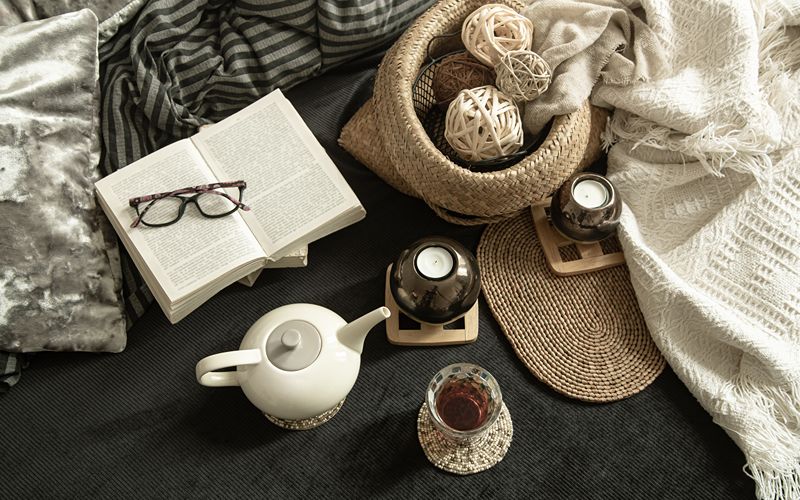
Texture and variation often bring warmth into restrained spaces, which explains the appeal of ceramics, woven baskets, and wooden objects with visible character. Decorative choices in Japandi interior design value subtle imperfections that add interest without filling the room visually.
Irregularities feel natural and expected, contributing to interiors that appear lived-in and personal while avoiding a staged or overly polished look.
Plants That Bring Gentle Life Indoors
Some interiors rely on plants to add presence, choosing foliage for shape and structure while colour stays restrained. Japandi interior design commonly treats greenery as a form element rather than decoration. Simple greenery adds movement and softness, while neutral pots keep attention on shape and placement, keeping decoration subtle and measured.
Having pants in a home can soften clean lines and give a connection with nature, offering a steady visual rhythm that suits everyday living.
How Japandi Fits Everyday Routines
Supporting Calm Without Sacrificing Function
When layouts feel practical and visuals stay calm, daily routines settle more easily into the home. Comfort and balance support everyday living across spaces planned with Japandi interior design. Kitchens remain efficient for regular use, living rooms support rest and conversation, and bedrooms encourage sleep through simple layouts paired with soft, tactile materials.
Spaces feel adaptable and consistent over time, supporting changing needs without losing their sense of order or identity.
Easy Maintenance and Long-Term Comfort
Durable materials and a limited number of objects keep maintenance realistic over time, reducing constant adjustment as surfaces age naturally. A comfortable atmosphere tends to remain intact at home through Japandi interior design.
A sense of ease runs through the home, allowing daily life to unfold without the space demanding attention or effort, while remaining quietly supportive in the background.
Frequently Asked Questions (FAQs)
Is Japandi interior design suitable for small homes or apartments?
Yes, low furniture, calm colours, and smart storage help smaller spaces feel open and balanced.
Does Japandi interior design feel too minimal for everyday family living?
No, practical layouts and durable materials support daily family use without feeling stark.
Can Japandi interior design work with existing furniture?
Yes, pieces with simple forms and neutral finishes usually blend in comfortably.
How much colour works in a Japandi-style home?
Muted tones with small accent colours help maintain balance and visual calm.
Is Japandi interior design hard to maintain over time?
No, natural materials age well and fewer decorative items keep upkeep manageable.
Conclusion
Bringing Japandi interior design into a home rarely calls for a full renovation, as small, considered changes often set the tone effectively over time. Adjustments like updating textiles, easing back on clutter, or adding natural materials gradually shape a space that feels settled and comfortable.
Homes built around Japandi interior design tend to reflect the people living inside, with choices shaped by habits, preferences, and daily routines without rigid rules. Personal touches still belong, allowing spaces to feel calm, practical, and lived-in, while maintaining a sense of order that supports everyday life without feeling restrictive.
Visit Living Comforts to explore furniture and decor ideas that support balanced, comfortable living inspired by Japandi principles.
