
Key Takeaways
- Separate seasonal and daily wear to reduce clutter and decision fatigue.
- Use vertical space with modular fittings to stretch compact wardrobes.
- Rotate clothing quarterly to keep the wardrobe relevant and tidy.
- Store off-season items in breathable containers to prevent damage.
- Add flexible compartments so the wardrobe adapts as needs change.
Table of Contents
Introduction
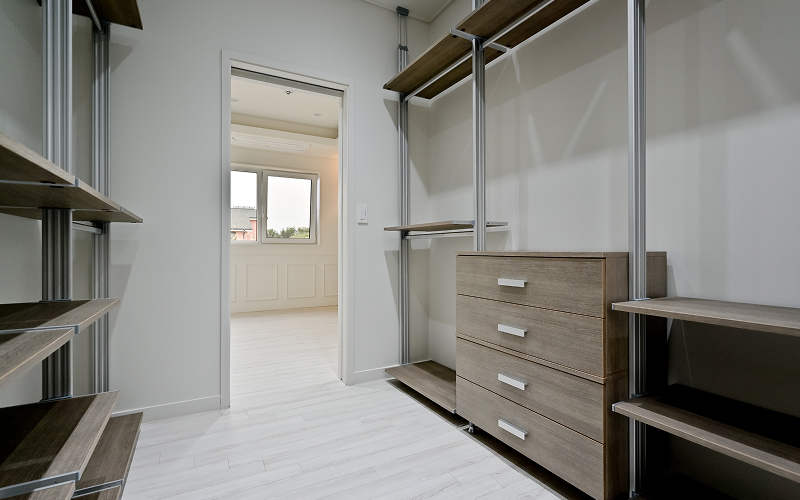
Seasonal clothing tends to creep in quietly. A few thicker pieces, a handful of occasion outfits, maybe clothes kept for travel, and before long, the wardrobe starts to feel packed. That’s usually when getting dressed becomes more annoying than it should be. A well-planned wardrobe system in Singapore homes can ease that pressure by making better use of limited space while keeping daily essentials within easy reach.
1. Give Everyday Clothes the Best Spots
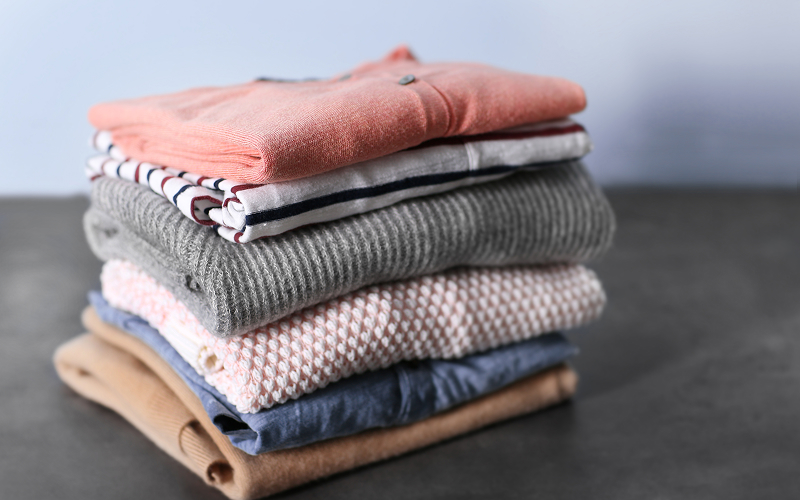
Not every item deserves the same position. Clothes worn every week should be the easiest to grab, while pieces used only now and then can sit higher up or further to the side. It sounds simple, yet plenty of wardrobes treat every shelf and rail the same way, and that’s where the mess begins.
Once clothing is arranged by frequency of use, the whole setup feels easier to live with. Mornings move faster, and there’s less rummaging through things that are not needed right now.
2. Make Better Use of Height
Many wardrobes run short on width first, not height. That upper space often gets wasted or turns into a shelf for random items that don’t belong there. Adding overhead compartments or a second hanging rail can change that quite a bit.
This is where a wardrobe system in Singapore flats really earns its keep. In smaller homes, every bit of height matters. Used well, that vertical space can hold seasonal pieces, bags, or folded items without crowding the sections used every day.
3. Rotate Pieces Instead of Storing Everything Together
Keeping every item in the wardrobe all year may seem practical, though it often creates visual noise. Clothes that are not needed for months still take up prime space, while daily wear gets squeezed into whatever room is left.
A seasonal rotation works better. Set aside time every few months to move seldom-used pieces into storage and bring current ones forward. Retail shops do this all the time because it keeps displays fresh and manageable. At home, the effect is similar.
4. Keep Off-Season Clothing Properly Stored
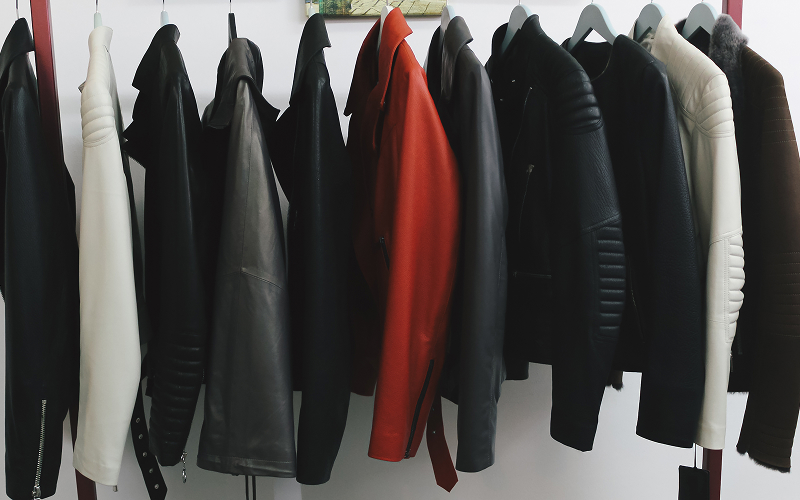
Pushing clothes into any spare box may clear a shelf, but it rarely ends well. Fabrics can crease badly, and before long, nobody remembers what went where. Storage should protect clothing, not merely hide it.
That is why a good wardrobe system in Singapore homes should include proper off-season storage. Breathable garment bags and sturdy containers all help keep things in good condition. It also makes the next rotation much easier. Instead of opening a box and hoping for the best, there’s a clear sense of what is inside and where it belongs.
READ MORE:The Essentials Every Walk-in Wardrobe Should Have That You Need to Get
5. Leave Room for Change
A wardrobe that only works under perfect conditions usually stops working quite quickly. Clothes change, routines shift, and storage needs rarely stay fixed for long. What suits one stage of life may feel awkward later.
Flexible shelves and modular fittings make a real difference here. They allow the wardrobe to adjust without needing a full redesign every time something changes. The strongest setups are not rigid ones; they are the ones that can bend a little and still stay organised. That is part of what makes a wardrobe system in Singapore such a practical choice for homes where space has to do more than one job.
Frequently Asked Questions (FAQs)
How often should seasonal clothing be rotated?
Every three to four months is a good rhythm for most households. It keeps the wardrobe relevant without turning organisation into a constant task.
What is the best way to store delicate fabrics?
Breathable garment bags are usually a safe choice. They help protect fabrics while still allowing air to circulate.
Can small wardrobes still handle seasonal storage?
Yes. With better use of height, clearer zoning, and proper containers, even a compact wardrobe can manage seasonal rotation well.
Are modular wardrobe fittings worth considering?
They are, especially when storage needs change over time. Adjustable layouts are easier to maintain than fixed ones.
Conclusion
An organised wardrobe is not only about fitting more into one space. It is about making the space easier to use, day after day, without the usual frustration of cluttered rails and overstuffed shelves. With better zoning, smarter use of height, and a habit of rotating clothes by season, storage becomes much easier to manage. For more practical home ideas and organisation tips, visit Living Comforts for the latest content.
