
Key Takeaways
- The right rug size can visually correct awkward proportions in an HDB layout
- Furniture placement matters more than patterns when fitting rugs
- Different HDB layouts need different rug rules, even within the same flat type
- Layering and spacing can make small spaces feel calmer, not cluttered
- Rugs help define zones in open-plan HDB layout designs
Introduction
Area rugs are often treated as finishing touches, added late in the renovation or styling process. Interior designers see them very differently. In an HDB layout, a rug can shape how space is perceived, how furniture relates to one another, and even how comfortable a room feels day to day. It’s not just about aesthetics. It’s about proportion, movement, and balance.
Singapore homes come with their own spatial quirks. Narrow living rooms, combined dining zones, and compact bedrooms are common features of an HDB layout. That’s why fitting an area rug properly matters more than many people expect. When chosen with intention, the right rug quietly supports the entire room, making the space feel settled rather than staged.
Why Rugs Matter In An HDB Layout
Area rugs do more than add warmth or texture. In an HDB layout, they quietly shape how a space feels and functions. Designers often treat rugs as visual anchors, helping furniture settle into place instead of floating awkwardly. Without one, even a well-furnished room can feel slightly off, like something is missing but hard to name.
Because an HDB layout usually comes with fixed proportions, pillars, or compact rooms, rugs act as subtle problem-solvers. They guide movement, soften acoustics, and bring balance where walls or windows cannot move. It sounds simple, yet many homeowners underestimate how much impact one rug can have on an HDB layout.
4 Interior Designers’ Rules for Fitting Your Area Rugs for Your HDB Layout
1. Start With Scale, Not Colour
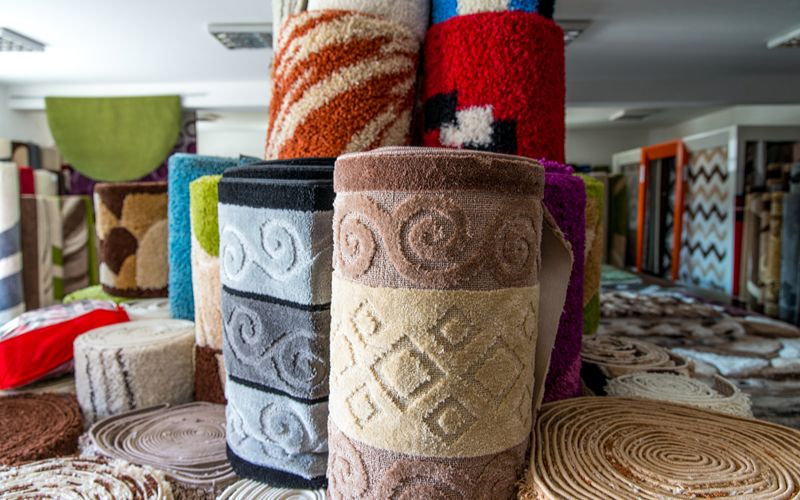
Here’s a rule designers repeat often, then repeat again: size first, pattern later. In an HDB layout, choosing a rug that is too small is the fastest way to make a room feel disjointed. A rug should sit confidently beneath furniture, not hover shyly in the middle.
As a rough guide, at least the front legs of sofas or chairs should rest on the rug. This principle applies across almost every HDB layout, whether compact or spacious. Colour and texture can always be adjusted later. Scale, once wrong, is hard to ignore.
2. Living Rooms: Anchoring The Heart Of The Home
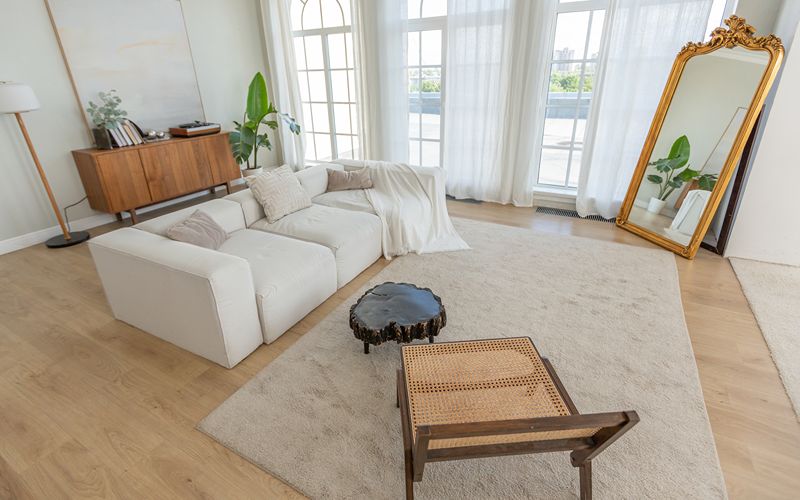
Living rooms carry the most visual weight in any HDB layout. This is where rugs do their heaviest lifting. Designers usually recommend a rug large enough to frame the main seating area, allowing sofas, armchairs, and coffee tables to feel connected.
In smaller HDB layout designs, there’s sometimes hesitation about going bigger. Oddly enough, a larger rug often makes the space feel calmer and more cohesive. Think of it like a well-fitted shirt rather than one that’s a size too small. The room breathes better.
Patterns should stay relatively simple if the furniture already has strong lines. If the living room feels boxy, a rug with subtle curves can soften the mood without shouting for attention.
3. Dining Areas: Keeping Chairs Grounded
Dining spaces introduce a practical challenge. Chairs move—a lot. In an HDB layout, the rug must extend far enough so chairs stay on it even when pulled out. Designers typically suggest adding at least 60 cm beyond the table edges.
This rule helps avoid that irritating half-on, half-off chair situation. It also keeps the dining area visually contained, especially in open HDB layout plans where living and dining zones share the same floor.
Flat-weave or low-pile rugs are often preferred here. They handle crumbs, movement, and daily wear without fuss, which matters in busy Singapore households.
4. Bedrooms: Soft Landings That Still Make Sense
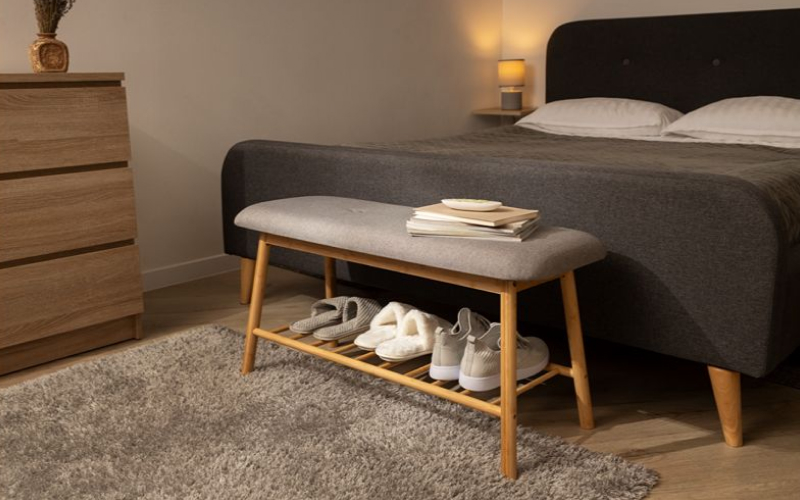
Bedrooms benefit from rugs more subtly. In an HDB layout, space beside the bed is often limited, yet stepping onto a cold floor each morning is no one’s idea of comfort. Designers usually place rugs either partially under the bed or as runners on each side.
The key is symmetry. Even in an irregular HDB layout, balanced placement helps the room feel settled. A rug that extends just enough beyond the bed frame creates a soft landing while keeping walkways clear.
Textures matter more here than bold patterns. Plush surfaces add comfort without demanding attention, especially in smaller rooms where visual calm is essential.
READ MORE: Textures That Talk: Layering Fabrics for Depth in HDB Bedrooms
Common Mistakes Designers See Too Often
One common issue is centreing the rug to the room instead of the furniture. In an HDB layout, furniture placement should always lead. Another mistake is choosing rugs based only on showroom appeal. What looks striking in-store can overwhelm a compact flat.
There’s also the belief that rugs must follow the exact shape of the room. Designers gently disagree. Sometimes contrast works better. A rectangular rug in a slightly awkward HDB layout can actually smooth visual bumps rather than highlight them.
Frequently Asked Questions (FAQs)
How many rugs are too many in one HDB layout?
There’s no fixed number, but each rug should have a clear role. If it doesn’t define a space, it may be unnecessary.
Do rugs make small HDB layout homes feel cramped?
Not if sized correctly. Larger rugs often make rooms feel more unified and spacious.
Are dark rugs unsuitable for HDB layout flats?
Not at all. Darker tones can ground furniture and add depth, especially when walls are light.
Should rugs match curtains or cushions exactly?
Exact matches aren’t required. Coordination matters more than duplication in an HDB layout.
Conclusion
Fitting area rugs isn’t about rigid rules. It’s about reading the room, understanding how people move, and respecting the limits and strengths of an HDB layout. When done well, rugs quietly correct proportions, soften daily life, and bring a sense of ease that’s hard to fake.
A thoughtfully chosen rug doesn’t shout. It settles in, does its job, and makes everything else feel like it belongs. For more home styling insights and practical design guidance tailored to local homes, visit Living Comforts to get the latest content.
