
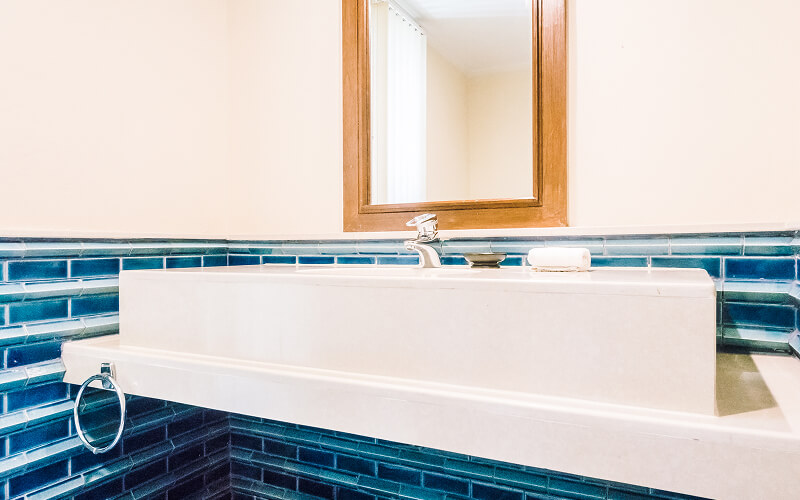
Designing an HDB common toilet can be challenging due to its small size and the need to balance functionality and aesthetics. Whether you live in a three- or five-bedroom apartment, maximising space, guaranteeing durability, and creating a unified style are critical.
Discover five practical HDB common toilet design ideas that work well across all flat types.
1. Optimise Space with Smart Layouts
Maximising the available floor space is the foundation of any effective HDB common toilet design. Start by placing essential fixtures such as the sink, toilet bowl, and shower in a logical flow to prevent obstruction. For instance, positioning the shower at the farthest point from the door reduces water splashes around the toilet and sink area.
Wall-mounted fixtures, such as floating vanities and toilet bowls, are excellent space-saving solutions because they free up floor area, making the toilet appear larger. Compact corner sinks can also be a good option for smaller flats. Additionally, using sliding or bi-fold shower screens rather than traditional swing doors eliminates the need for clearance space, further enhancing functionality in compact toilets.
Built-in shelving above the toilet cistern or recessed niches in the shower area can also be used to store toiletries without compromising movement.
2. Use Light Colours and Reflective Surfaces
The use of colour and surface finishes can significantly impact the perception of space. Light colours such as white, beige, or soft grey create a more open and airy atmosphere, which is particularly beneficial in smaller HDB common toilets. Opt for large-format tiles with minimal grout lines to create a seamless look, as excessive tile joints can make the space feel cluttered.
Reflective surfaces, including glossy tiles and mirrors, can enhance natural and artificial light, making the toilet feel brighter. Installing a full-length mirror or mirrored cabinet above the sink not only improves lighting but also creates the illusion of a larger room. Consider stain- and water-resistant finishes for households concerned about maintenance, as these finishes minimise visible wear over time.
You may also consider using glass shower partitions with minimal frames to further add depth to the design while retaining a clean and modern look.
ALSO READ: How To Leverage Pinterest For Stunning Decor Inspiration?
3. Incorporate Adequate Storage Without Clutter
Storage is often overlooked in HDB common toilet design, yet it is essential for maintaining a tidy and organised space. Built-in niches within shower areas are a practical solution for storing toiletries without adding bulky shelving. Wall-mounted cabinets and under-sink storage units can help hide cleaning supplies and personal items.
Select storage units that blend seamlessly with the overall colour palette of the toilet to avoid visual clutter. For example, a recessed cabinet with a mirrored door can serve dual purposes, providing storage while contributing to the illusion of depth. Consider integrating tall vertical cabinets into unused corners if space allows for additional storage without sacrificing floor space.
Magnetic organisers and over-the-door hooks can be added as inexpensive solutions for families who need quick access to essentials but wish to keep countertops clear.
4. Prioritise Ventilation and Moisture Control
Proper ventilation is critical in any HDB common toilet design to prevent mould growth and maintain hygiene. Ensure that the exhaust fan is in good working condition and ideally linked to the toilet light switch for consistent use. Upgrading to a more powerful exhaust fan is advisable in older flats where ventilation may be limited.
Moisture-resistant materials should also be prioritised, particularly for cabinetry and wall finishes. PVC or laminate cabinetry resists swelling caused by humidity, while anti-slip tiles reduce the risk of accidents in wet areas. Consider installing a shower screen or curtain to separate the wet and dry zones of the toilet, which further improves moisture control.
You can also add a dehumidifier or small louvre windows, if permitted, to maintain airflow and reduce condensation.
ALSO READ: The Ultimate Guide to Renovation Costs in Singapore: Budgeting, Breakdown, and Smart Saving Tips
5. Elevate Aesthetics with Subtle Design Features
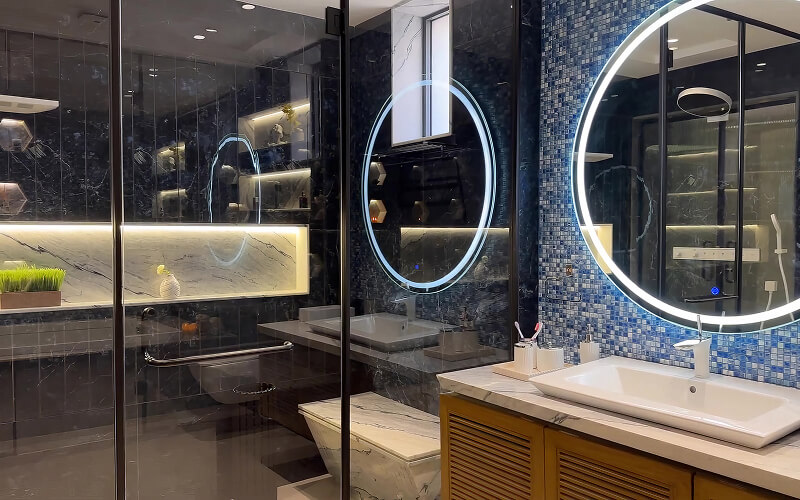
While functionality is essential, your HDB common toilet design should also have a cohesive aesthetic. Small, subtle features can significantly enhance the overall look. For example, accent tiles in a contrasting colour can create visual interest without overwhelming the space. Similarly, a well-placed strip of LED lighting under a floating vanity or around a mirror can add a modern touch while improving visibility.
Choosing a consistent design theme across fixtures and fittings also contributes to a more refined appearance. Matte black or brushed nickel tapware, for instance, can add a contemporary edge, while warm metallic finishes like brass or gold lend a more classic look. Households looking to balance cost and style should focus on upgrading easily replaceable elements such as taps, showerheads, and cabinet handles, which can refresh the space without requiring a major renovation.
Key Takeaways
Designing an HDB common toilet that works for every flat type requires a balance of practicality, durability, and aesthetics. Homeowners may create a useful and visually appealing area by prioritising space-efficient layouts, light colour schemes, integrated storage, sufficient ventilation, and carefully chosen design details.
A well-thought-out HDB common toilet design not only enhances daily comfort but also improves the overall value of your flat. Implementing the ideas above allows you to customise the space to suit your household’s needs without compromising on style or functionality.
Visit Living Comforts to discover more information about creating a functional and stylish space.
