
Key Highlights
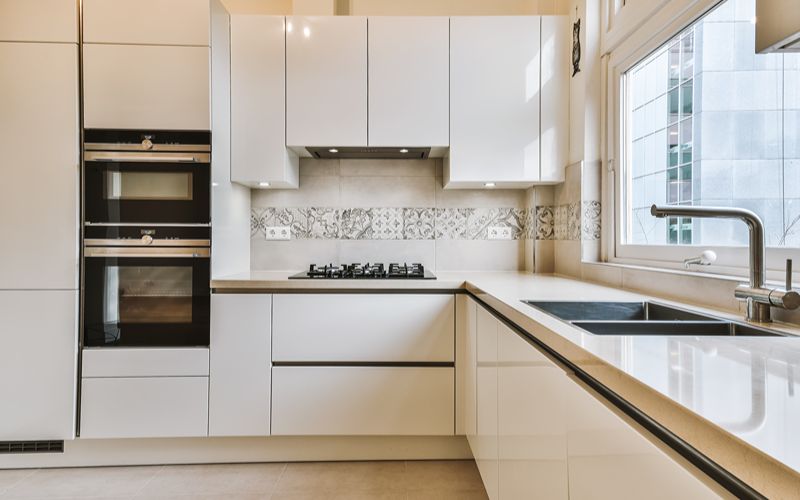
- A monochromatic kitchen relies on tonal variation, texture, and proportion rather than colour contrast.
- Choosing the right colour foundation depends on light, orientation, and long-term neutrality.
- Materials and finishes add depth, preventing the space from feeling flat or clinical.
- Proportion, negative space, and concealed storage maintain visual calm and order.
- Lighting layers enhance functionality and atmosphere throughout the day.
- A modern minimalist interior feels intentional, balanced, and quietly livable rather than decorative.
| TABLE OF CONTENTS |
Introduction
Monochromatic kitchens have emerged as one of the most sought-after design approaches for homeowners seeking sophistication without visual clutter. The concept revolves around using varying shades, tones, and textures of a single colour family to create depth whilst maintaining visual harmony. Unlike the stark white kitchens of decades past, today’s monochromatic approach incorporates nuanced layers, creating spaces that are full of character and warmth.
The appeal lies in how these kitchens transform cooking spaces into serene sanctuaries. Homeowners are gravitating towards this aesthetic because it offers timeless elegance without sacrificing functionality. The monochromatic palette serves as a canvas for architectural details and high-quality materials to shine, eliminating distractions and allowing the eye to appreciate the space’s true craftsmanship.
These qualities align seamlessly with the principles of a modern minimalist interior. When combined, monochromatic schemes and minimalist thinking produce kitchens where every element has a clear purpose, and nothing feels excessive. The result is a space that feels organised, expansive, and reassuringly calm, offering a counterpoint to the visual overstimulation of everyday life.
Monochromatic Design Principles
Shades
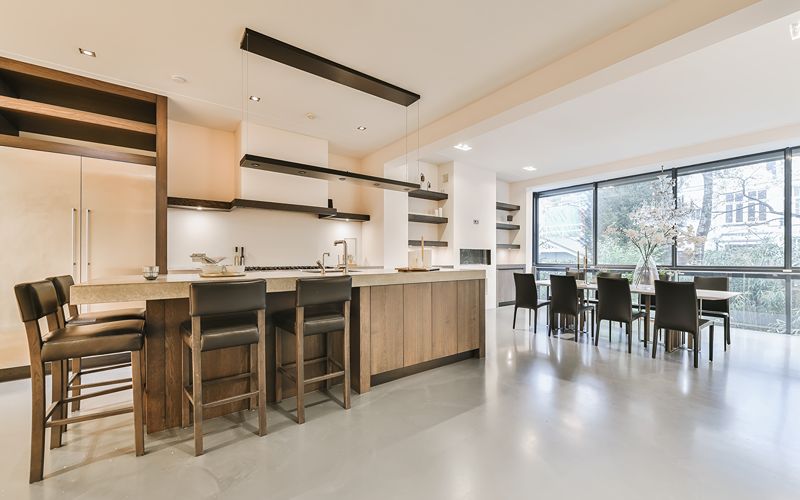
Monochromatic design extends well beyond the idea of painting every surface in the same shade of white or grey. At its core, the approach begins with a single base colour and explores its full tonal range, from the lightest tints to the deepest, most grounding shades. When applied thoughtfully, these variations introduce depth and dimension without disrupting visual cohesion. Understanding how light, medium, and dark values interact within a kitchen is essential, as these relationships shape how spacious, balanced, and composed the space ultimately feels.
Texture
Texture becomes equally important in ensuring that monochromatic kitchens remain engaging rather than flat. Surfaces with contrasting finishes create subtle visual movement while staying within the same colour family. Matte cabinetry paired with glossy backsplashes, or smooth stone set against textured timber, introduces richness without relying on additional colours. Natural materials such as wood, stone, and metal contribute tactile variety, reinforcing the layered quality that defines successful monochromatic spaces.
Lighting
Lighting plays a defining role in how these elements come together. In kitchens guided by modern minimalist interior principles, lighting is treated as part of the design language rather than a purely functional requirement. Natural light reveals tonal shifts throughout the day, while carefully positioned artificial lighting brings attention to work zones, materials, and architectural details. Layering ambient, task, and accent lighting ensures the space feels dimensional and responsive rather than uniform or static.
The monochromatic approach also simplifies decision-making during renovation projects. Once you’ve committed to a colour family, selecting finishes, fixtures, and accessories becomes more straightforward. The parameters guide choices rather than limiting them, which creates strong cohesion without requiring professional design expertise.
Choosing Your Colour Foundation
The way a colour behaves within a kitchen is shaped by environmental factors, particularly room orientation and natural light. North-facing kitchens tend to receive cooler, more diffused daylight, making warmer tones within a monochromatic palette more effective at maintaining balance. In contrast, south-facing spaces are flooded with sunlight for much of the day, allowing cooler hues to feel crisp rather than sterile.
While white and grey remain popular foundations, they are no longer the only choices defining monochromatic kitchens. Beige, charcoal, navy, and muted greens such as sage are increasingly being adopted for their depth and adaptability. White-based schemes create a sense of openness and lightness, making them especially suitable for smaller homes. Grey offers flexibility, seamlessly bridging contemporary and classic aesthetics. Darker foundations introduce a more dramatic, refined character, particularly when paired with generous natural light and streamlined layouts.
Color Testing
Careful testing is essential before settling on any colour family. Paint samples viewed in isolation rarely tell the full story. Observing larger sample boards under varying lighting conditions throughout the day reveals how tones shift and interact with their surroundings. Morning light may emphasise cooler undertones, while afternoon light can introduce unexpected warmth. Existing elements such as flooring, window frames, and architectural details also influence how colours are perceived, making them an integral part of the decision-making process.
In kitchens shaped by modern minimalist interior principles, colour selection favours balance over extremes. Tones that sit comfortably between warm and cool create environments that feel composed and enduring. This sense of neutrality ensures the monochromatic scheme remains relevant as design preferences evolve. By prioritising restraint and longevity, the chosen colour foundation becomes a quiet anchor, supporting the clarity and calm that define a modern minimalist interior.
Material Selection and Textural Layering

Material selection plays a decisive role in determining whether a monochromatic kitchen feels refined or overly austere. In a modern minimalist interior, surfaces are chosen not only for appearance, but for how they introduce subtle variation within a restrained palette. Natural stone countertops are particularly effective in this respect. Marble, granite, and quartz each bring their own character, with organic veining and tonal shifts that soften the uniformity of a single colour scheme. Marble offers timeless elegance but requires thoughtful maintenance, while quartz provides durability and visual consistency suited to everyday use.
Cabinetry finishes further shape the atmosphere of the space. High-gloss lacquered surfaces reflect light and enhance spatial clarity, lending kitchens a crisp, contemporary edge. Matte finishes, by contrast, create a quieter sophistication, reducing glare and offering a softer visual presence. Combining finishes within the same colour family introduces depth without disrupting cohesion. In a modern minimalist interior, this balance allows the kitchen to feel layered and intentional rather than visually flat.
Flooring acts as the grounding element of the entire scheme. Large-format tiles in complementary tones create continuity and minimise visual interruption, supporting the clean lines associated with minimalist design. Natural timber flooring introduces warmth and tactility, with grain patterns and tonal variation preventing the space from feeling overly controlled. Polished concrete also works effectively within a modern minimalist interior, offering an industrial sensibility that remains practical and understated.
Metal finishes provide the final layer of refinement. Stainless steel appliances align naturally with cooler monochromatic palettes, reinforcing clarity and cohesion. Warmer schemes benefit from brass or bronze hardware, which adds depth without overwhelming the design. Limiting metal finishes to a single tone helps maintain visual order, ensuring the kitchen remains composed and harmonious rather than visually fragmented.
ALSO READ: Modern Minimalist Interior Design: Smart Buys for Compact Homes
Achieving Balance Through Proportion and Scale
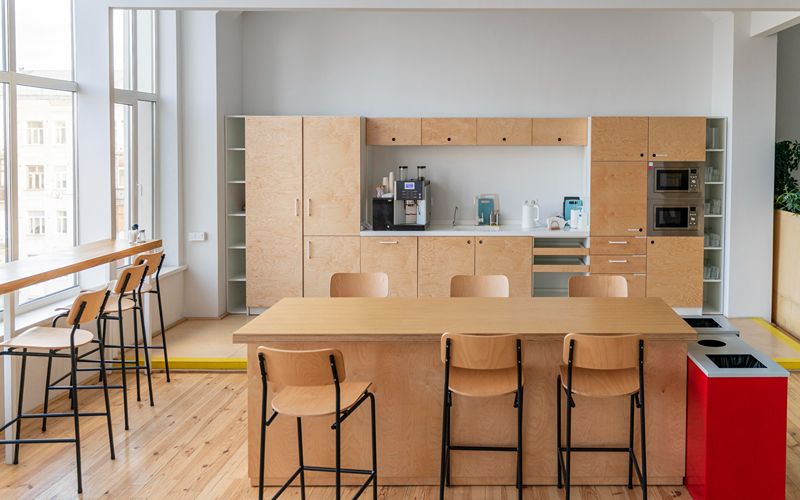
Proportion plays a vital role in monochromatic kitchens, especially in cases where colour is not available to visually separate different zones. The relationship between upper and lower cabinetry must be considered, with taller pantry units positioned carefully so they do not dominate the room. Floor-to-ceiling cabinetry can be highly effective when handled with restraint, maximising storage while reinforcing the clean vertical lines associated with a modern minimalist interior.
Kitchen islands often act as the visual and functional centre of open-plan layouts, making scale a critical consideration. An island should feel substantial enough to anchor the space, yet remain proportionate to its surroundings. Oversized islands risk overwhelming the room, while undersized ones can feel incidental. Waterfall countertops, where the worktop material continues seamlessly down the sides, work particularly well in monochromatic schemes, allowing the material itself to become the focal point without introducing visual clutter.
Utilising Negative Spaces & Windows
Equally important is the deliberate use of negative space. In a modern minimalist interior, restraint is what allows the palette to feel calm rather than restrictive. Leaving certain surfaces clear gives the eye space to rest and prevents the kitchen from feeling overly controlled. Open shelving can still be incorporated, provided it is curated thoughtfully. Displaying a limited selection of items in complementary tones maintains functionality while preserving visual order.
Window treatments should support this sense of balance rather than compete with it. Simple roller blinds or sheer curtains in tones that align with the overall palette help maintain continuity. Heavy fabrics, bold patterns, or contrasting colours can disrupt the visual flow, turning windows into distractions rather than architectural features. Within a modern minimalist interior, windows are best allowed to frame light and structure, reinforcing the clarity and honesty of the space.
Styling and Accessorising Monochromatic Spaces
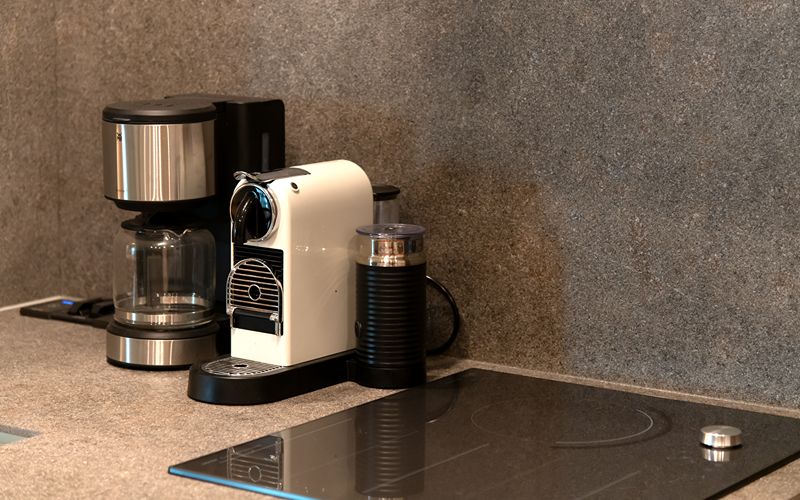
In a modern minimalist interior, accessories are not added to decorate the space, but to support it. Items left on display should serve a clear purpose, whether functional, aesthetic, or ideally both. Everyday essentials such as cutting boards, utensils, and cookware can become part of the visual composition when selected in coordinating tones, allowing practicality to coexist with visual order.
Organic elements introduce balance within this controlled palette. Plant life softens clean lines and brings subtle variation without disrupting cohesion. Herbs displayed in matching planters offer both visual freshness and everyday utility, while sculptural branches arranged in tall vessels add height and quiet drama. These natural forms prevent the space from feeling overly rigid, reinforcing the calm, lived-in quality associated with a modern minimalist interior.
Textiles provide another opportunity for gentle layering. Linen tea towels, cotton aprons, and woven placemats in harmonising shades add warmth and tactility to otherwise streamlined surfaces; they allow for easy rotation and subtle seasonal shifts that refresh the space without altering its foundation. Artwork, too, particularly black-and-white photography or abstract compositions in toning hues, complements monochromatic schemes without competing for attention. Single, oversized pieces often create a stronger impact than clustered displays, preserving visual clarity.
Finally, effective styling depends on what remains unseen. Storage solutions should function quietly in the background, supporting the overall composition rather than interrupting it. Concealed appliance garages, integrated bins, and hidden charging points help maintain clear countertops and uninterrupted sightlines.
Lighting Design for Monochromatic Kitchens
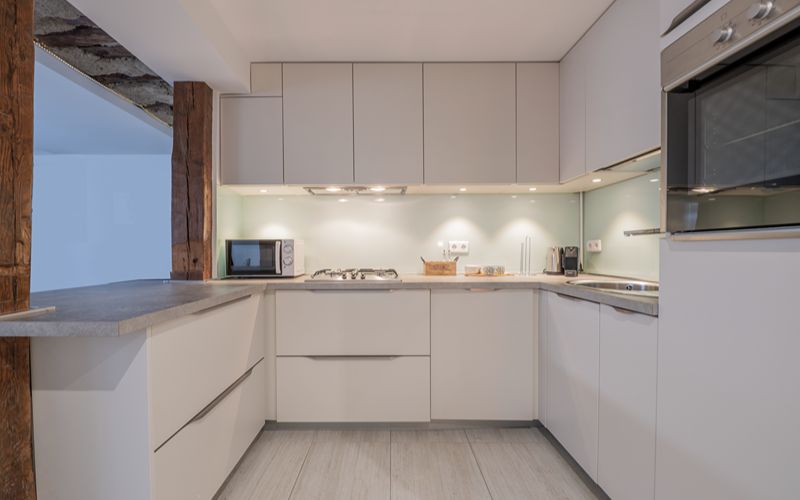
Rather than relying on a single source, layered lighting introduces depth and clarity. Recessed ceiling lights establish even illumination, while under-cabinet strips brighten work surfaces and subtly draw attention to backsplash finishes. In a modern minimalist interior, this layering ensures the kitchen feels composed and functional without visual distraction.
Decorative lighting adds character when handled with restraint. Pendant lights above islands provide both focus and sculptural presence, especially when finished in complementary tones such as matte black or brushed metal. Maximising natural light through windows or skylights further enhances the palette, allowing tonal variations to emerge naturally. Dimmer switches and smart lighting systems complete the scheme, offering flexibility that supports daily routines while preserving the calm, intentional atmosphere central to a modern minimalist interior.
Frequently Asked Questions (FAQs)
What is a modern minimalist interior kitchen?
A modern minimalist interior kitchen focuses on clean lines, restrained colour palettes, functional layouts, and uncluttered surfaces, prioritising simplicity and clarity.
Why are monochromatic schemes popular in modern minimalist interior design?
Monochromatic schemes enhance visual cohesion, reduce distractions, and allow materials, textures, and craftsmanship to stand out naturally.
Are modern minimalist interior kitchens suitable for small homes?
Yes. Modern minimalist interior kitchens often make small spaces feel larger by using streamlined cabinetry, consistent colours, and efficient lighting.
What colours work best in a modern minimalist kitchen interior?
Neutral tones such as white, grey, beige, charcoal, and muted earth tones work best, offering balance and timeless appeal.
Does modern minimalist interior design require expensive materials?
Not necessarily. The focus is on thoughtful selection and proportion rather than cost, allowing simple materials to look refined when used intentionally.
Conclusion
Success lies in understanding that monochromatic doesn’t mean monotonous. The true strength of a monochromatic kitchen lies in the clarity it brings to everyday living. It supports how people move, prepare, gather, and pause within the home. When restraint is applied with intention, the kitchen becomes not only visually composed but deeply attuned to the rhythms of daily life, while offering longevity, calm, and relevance well beyond changing design trends.
Want more inspiration to transform your cooking space into a serene sanctuary? Visit Living Comforts for inspiring room ideas and interior design trends, helping you achieve your dream home.
