
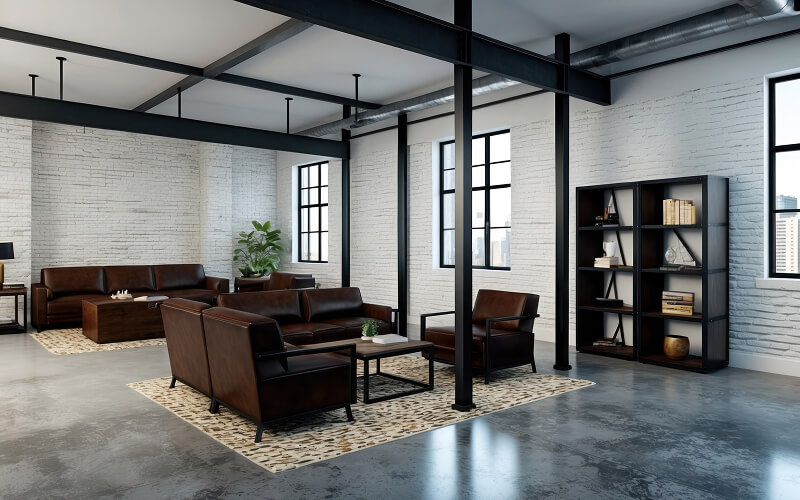
Industrial interior design has a strong look. It leans on raw materials, exposed features, and muted colours. The charm lies in its honesty, with steel, brick, and concrete taking centre stage. But strong doesn’t have to mean stiff. With a few well-placed items, you can dial down the chill and turn up the charm. Cosy corners, warm textures, and softer tones can easily blend with the signature industrial features.
The aim is to bring comfort into a style known for being tough. By understanding how to layer materials and pick the right finishes, you can soften the edges of industrial interior design without losing its character. This guide walks you through pieces that make your space feel inviting while still sticking to the industrial brief. Whether you’re in a loft, a flat, or just love the aesthetic, these ideas will help you achieve warmth without watering down the edge.
1. Textured Rugs to Break the Ice
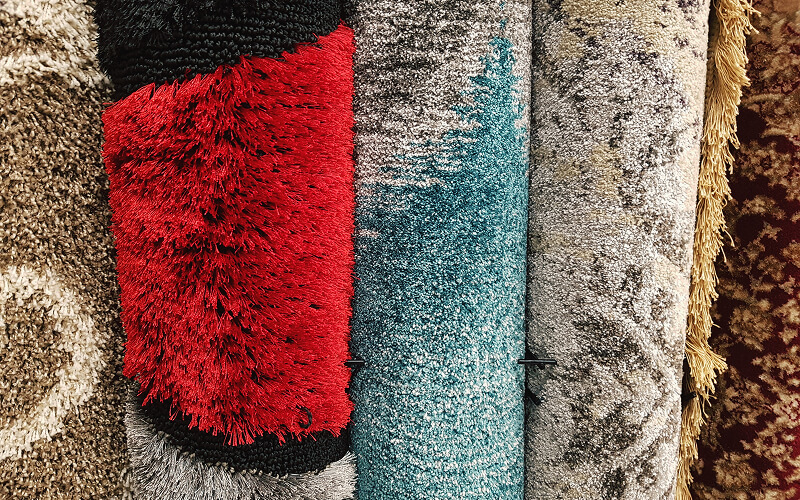
Cold concrete floors are a hallmark of industrial interior design. But that doesn’t mean your feet have to suffer. Textured rugs in natural fibres bring warmth to the space. Choose faded patterns, distressed finishes, or layered textiles to add visual depth. Rugs don’t just keep toes warm. They soften noise and anchor furniture, giving the room a lived-in feel.
In industrial settings, these rugs do more than add style. They create boundaries within open layouts and help break up the vast floor areas that often dominate industrial homes. A good rug introduces contrast without clashing, letting other textures in the room stand out.
What Makes a Rug Work in Industrial Spaces?
It’s all about grounding. A rug pulls together furniture, reduces echo, and adds softness underfoot. In industrial interior design, where floors are usually hard and bare, a rug is more than decoration; it’s insulation and comfort.
Beyond practicality, the right rug enhances visual appeal. Faded tones or geometric prints in muted colours complement the rough finishes around them, tying various room elements into a cohesive whole.
2. Lighting With a Glow
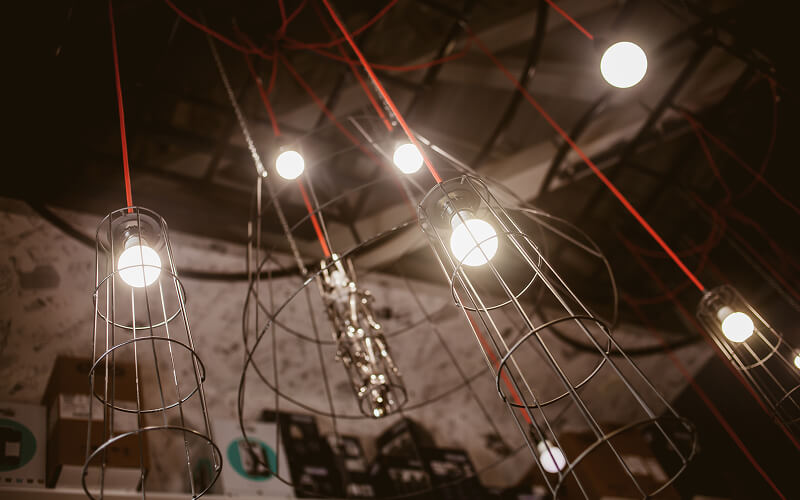
Yes, exposed bulbs and metal shades are icons of industrial interior design. But swap that stark white light for warm-toned bulbs, and the whole room shifts. Vintage lamps, cage pendants, and wall sconces with amber bulbs give a welcoming glow. Brass or aged bronze finishes add a bit of gleam without feeling too polished.
Good lighting defines mood. In spaces where concrete and metal dominate, soft lighting is essential to avoid creating a stark or overly industrial feel. Accent lights placed strategically can make nooks feel inviting and functional.
ALSO READ: Lighting Tricks That Bring Out The Best In An Industrial Style Interior
3. Open Shelves, Personal Stories
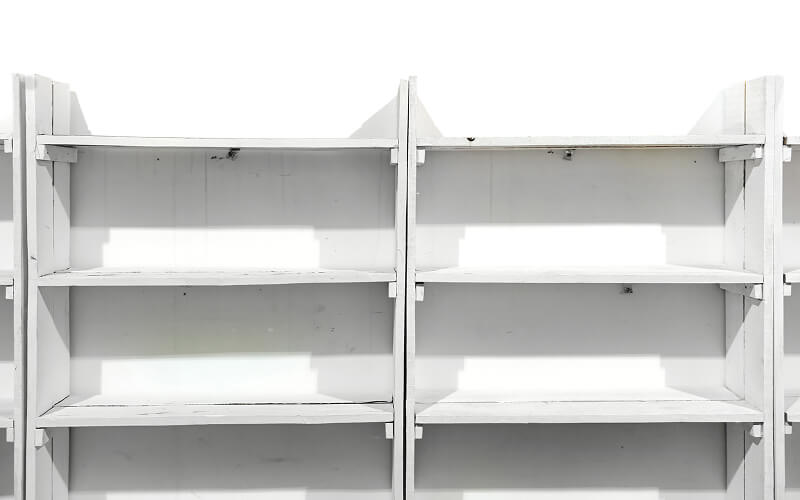
Industrial interiors love structure. But too much steel and symmetry can feel cold. Wooden open shelves bring balance. Use them to show off pottery, books, or houseplants. It’s not just about filling space. It’s about telling your story. Curated clutter beats empty surfaces any day.
What you place on the shelves matters. Items with character, handmade bowls, old cameras, or framed prints, break up visual rigidity. The mix of wood and metal mirrors the core theme of industrial interior design while bringing a human element to it.
4. Metal That Warms, Not Glares
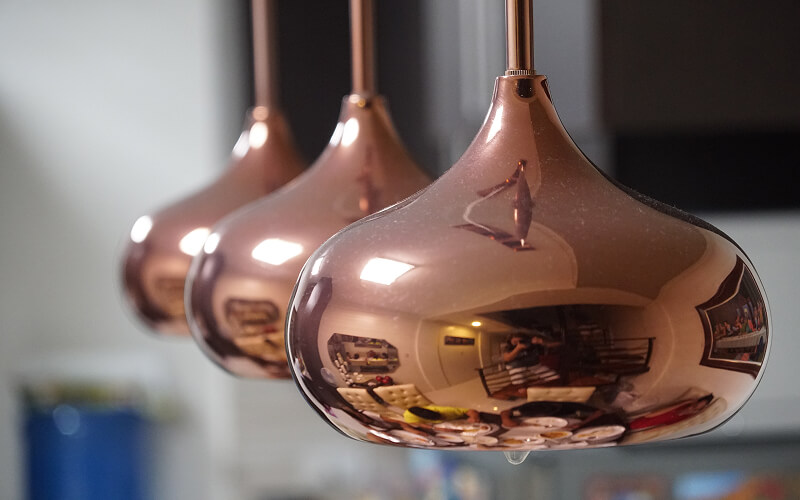
Metal is a big part of industrial interior design, but the trick lies in the tone. Go for warm finishes. Think brushed brass, blackened steel, or antique copper. These shades still keep the look grounded but with a gentler edge. A table lamp here or a drawer handle there can shift the whole mood.
Small changes in finish can make a space feel less like a workshop and more like a home. Swapping shiny chrome for aged metal reduces glare and adds depth, letting each piece sit naturally within the space.
5. Cosy Seating Without Compromise
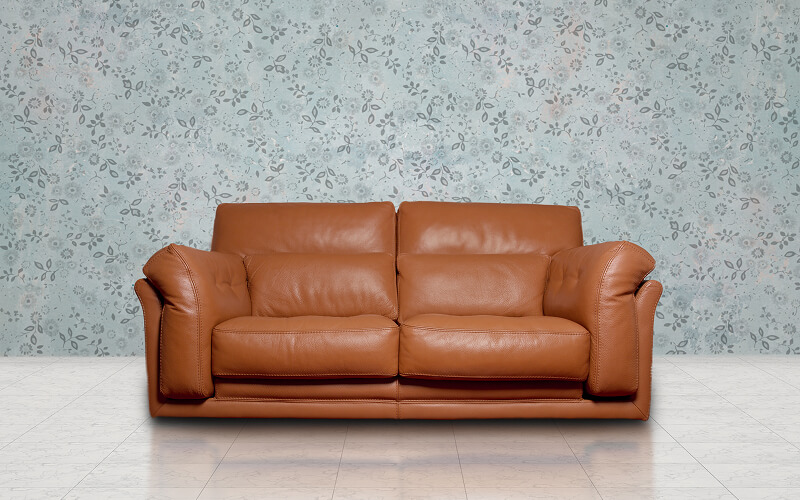
You don’t have to sacrifice comfort for style. Industrial sofas often come in leather or structured shapes, but you can soften the blow. Choose versions with plush cushions or pair with tactile throws. Think stone-grey velvets, oatmeal linens, or even aged tan upholstery. These materials don’t shout, they settle in.
Accent chairs in contrasting materials, wool, boucle, or soft corduroy, introduce variety while maintaining the industrial look. The key is balancing the rigid framework with inviting surfaces and ergonomic support.
6. Walls You Want To Stare At
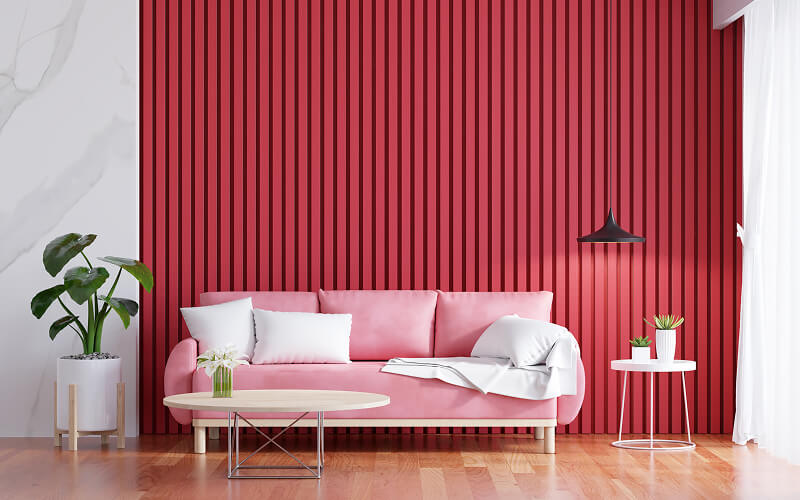
Blank walls are wasted space. Add texture through framed canvas, oversized clocks, or art with rough brush strokes. Industrial interior design works well with large pieces, but remember to keep the colour palette grounded. Earth tones, monochrome sketches, or metallic frames hit the sweet spot. Avoid glossy finishes. Stick with matte or raw textures.
Think about scale. Larger pieces suit high ceilings and wide spaces. These can serve as focal points, drawing attention while supporting the broader aesthetic. Avoid clutter, choose fewer but bolder pieces.
CHECK OUT: Accent Walls: Should You Add One To Your Space?
7. Reclaimed Wood That Tells a Tale
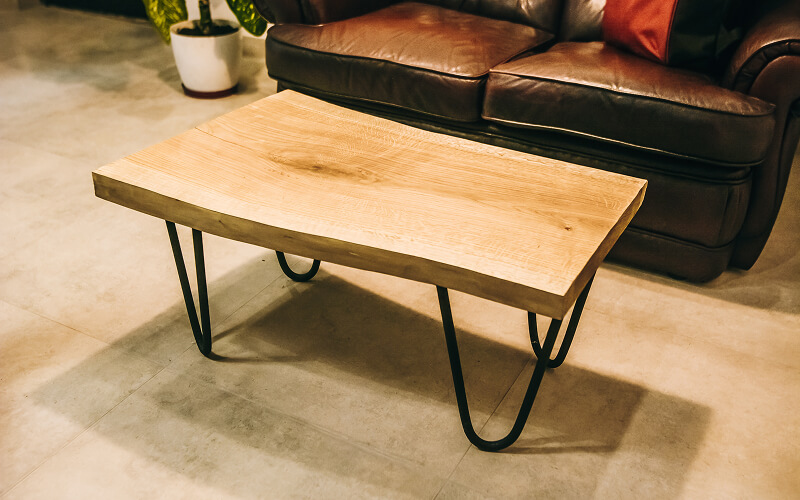
Reclaimed wood adds history to a space. A coffee table with knots and cracks, or a dining table made from old beams, fits right into the industrial look. The imperfections are the charm. It brings the outdoors in, and it holds up well. Pair it with iron legs or black accents to tie it all together.
No two reclaimed wood pieces are alike. This uniqueness enhances the appeal of industrial interior design, where authenticity is valued. The grain, colour shifts, and marks tell a story that new wood can’t replicate.
8. Throw in Some Throws
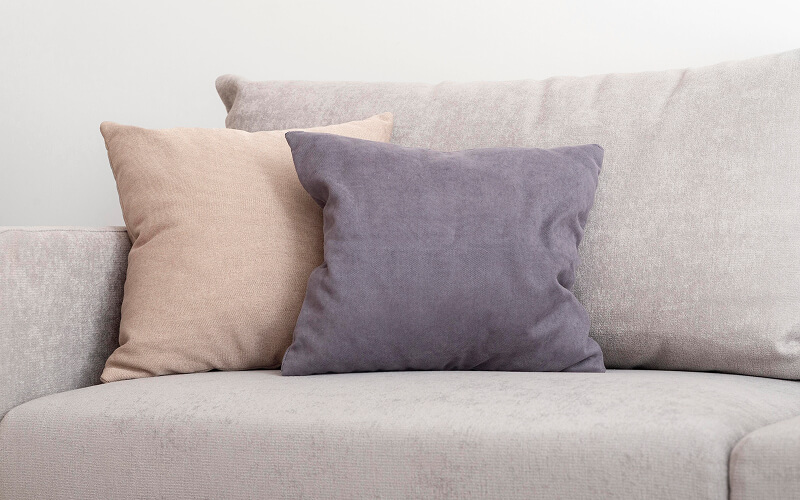
Soft furnishings aren’t just for show. Blankets, cushions, and curtains make a big impact. Neutral shades like olive, cream, or soft brown work best. Mix textures. Try linen against suede or wool beside leather. They help balance the sharp lines and hard surfaces often found in industrial interior design.
Layering throws across furniture adds a casual, lived-in look. When draped over an armchair or folded neatly at the foot of a bed, they add dimension without disrupting the clean lines of the design.
9. Green Touch in Grey Spaces
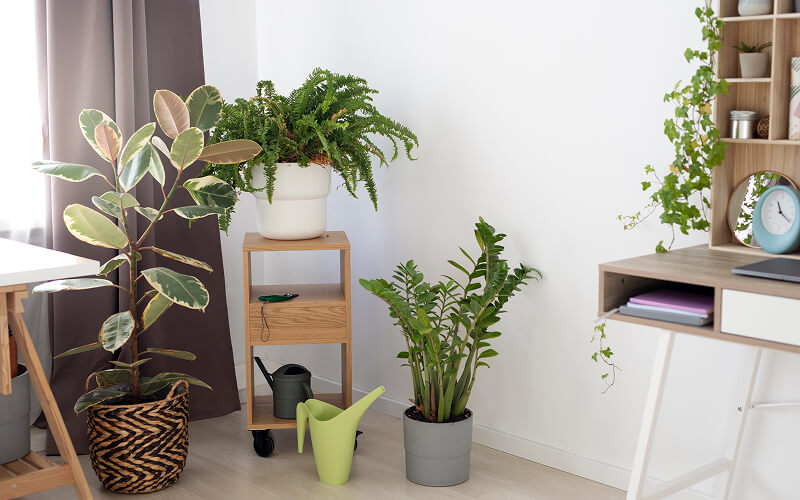
Plants are a breath of fresh air. Tall leafy greens or trailing vines in concrete or metal pots break up the grey. They bring colour, movement, and life. Choose hardy indoor varieties that thrive in indirect light. Pothos, snake plants, or even herbs in the kitchen do the job. They soften the overall aesthetic without disrupting the style.
Use plant placement to guide the eye around the room. A plant on a sideboard or a vine on a shelf adds interest without being overpowering. Industrial interior design benefits from this organic touch, which keeps the room from feeling static.
10. Dress the Windows
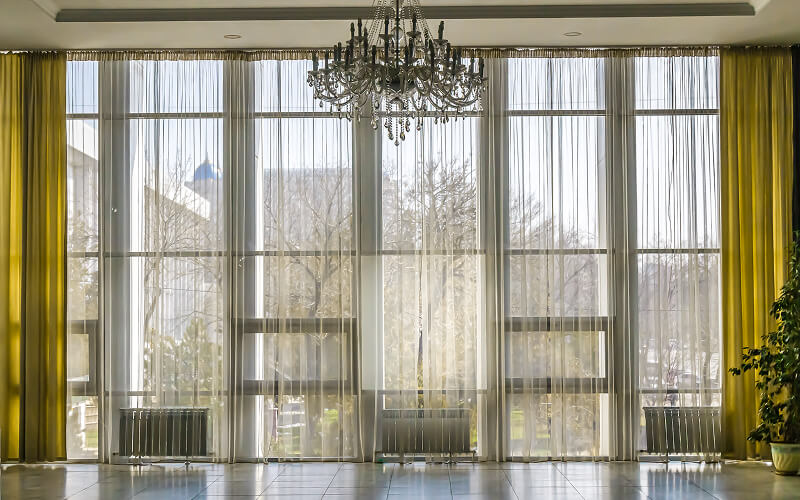
Bare windows let in light, but they also make a space feel sparse. Lightweight curtains in neutral tones filter the sunlight while keeping things airy. Linen and cotton work well. Avoid heavy drapes. Let the fabric fall naturally. Floor-length panels can frame the windows and soften the vertical lines of exposed brick or steel.
Curtains can also define the room’s height. Hanging them from the ceiling to the floor draws the eye upward, which is especially useful in loft-style interiors. Stick with materials that complement other fabrics in the space.
Function Meets Form
Industrial interior design often leans into practicality. But there’s no reason it can’t also be warm. Storage benches, sideboards, and stools in mixed materials bring depth. Go for furniture that works hard but looks soft. A padded bench with a metal frame, for example, ticks both boxes.
Look for dual-purpose items, ottomans with hidden compartments or shelves that serve as display units. These add flexibility while respecting the style’s roots in utility and efficiency.
The Balance of Bold and Subtle
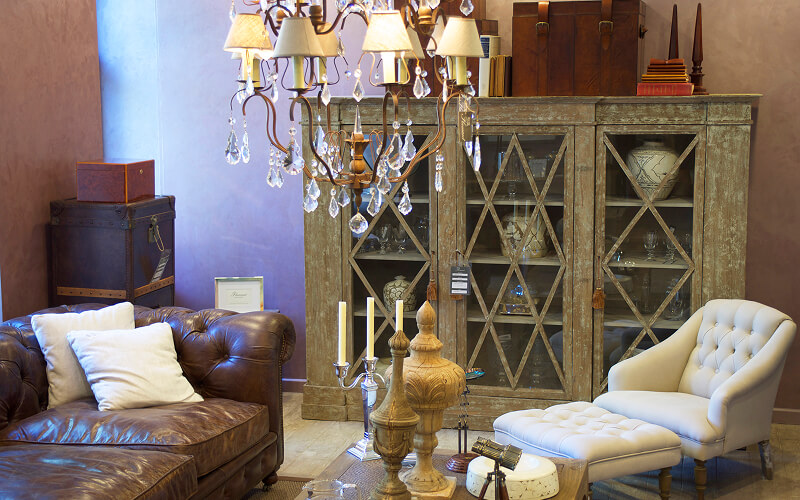
It’s easy to go too far with the industrial look. Overdo it, and the space feels like a warehouse. The goal is to blend. Mix raw finishes with soft textures. Pair rugged features with everyday comfort. When in doubt, scale back on one material and introduce another. A little goes a long way.
Layering is your best friend. Offset a concrete wall with a soft rug or a metal-framed mirror with a wooden console. That push and pull makes industrial interior design more approachable.
Small Shifts, Big Impact
Sometimes, it’s the little things that tie it all together. A wall hook with a patina, a framed black-and-white photo, or a vintage radio can add just enough character. Industrial interior design thrives on contrast. Steel beside suede. Brick behind the linen. That’s where the comfort lives.
Objects with personal meaning add soul. A clock passed down through the family or a flea market find brings individuality to a look that could otherwise feel generic.
Making Industrial Feel Like Home
Cosy doesn’t mean cluttered. Industrial doesn’t mean cold. When done right, industrial interior design can feel as warm and welcoming as any style. With a few soft touches, rugs, warm lighting, and soft furnishings, you can bring comfort to steel and stone. Texture adds depth, while soft tones ease the sharp edges. The key is layering.
Pay attention to scale, material, and placement. Balance matters. Start with the basics and expand slowly. Don’t rush. Let the room evolve naturally, with each addition serving a purpose. That’s how comfort grows without losing the character of industrial interior design.
From reclaimed wood to indoor plants, each item plays a part in the big picture. Add one piece at a time and pay attention to how it changes the mood. Before long, that tough, urban space starts to feel like a real home. Visit Living Comforts to bring these cosy touches into your industrial home.
