
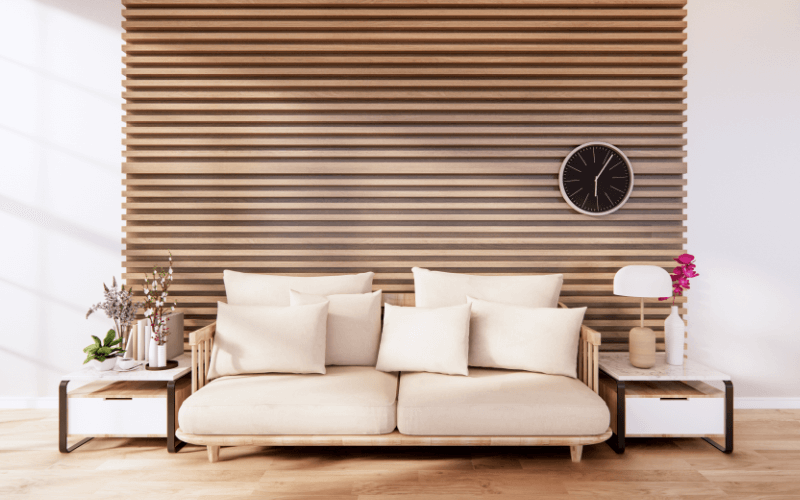
Accent walls are one of the design techniques that can make or break your home’s interior aesthetic. If done right, they can quickly transform a room, adding character and drama to a monotonous design. Whether you’re considering a bold paint colour, a textured wood panel, or an artistic interior design, a feature wall can serve as a focal point that elevates the overall aesthetic of your space. But is an accent wall the right choice for your home? Let’s explore the benefits, styles, and considerations to help you decide.
What Is An Accent Wall?
An accent wall, sometimes called a feature wall, is a single wall in a room designed to stand out. This can be achieved through a different paint colour, material, or texture. Unlike traditional designs where all walls share the same look, an accent wall draws attention, creating visual interest and breaking up monotony. From living rooms to bedrooms, this design choice has become increasingly popular for its versatility and creativity.
Why Consider An Accent Wall?
Adding an accent wall can completely change the dynamics of a room. It allows homeowners to experiment with bold colours or intricate patterns without overwhelming the entire space. For instance, a dark navy or forest green wall can add sophistication and depth to a living room, while a pastel hue can make a bedroom feel soft and serene. A feature wall also serves as an excellent backdrop for showcasing artwork, shelves, or statement furniture. In essence, it’s an easy way to inject personality into your home.
Popular Accent Wall Ideas
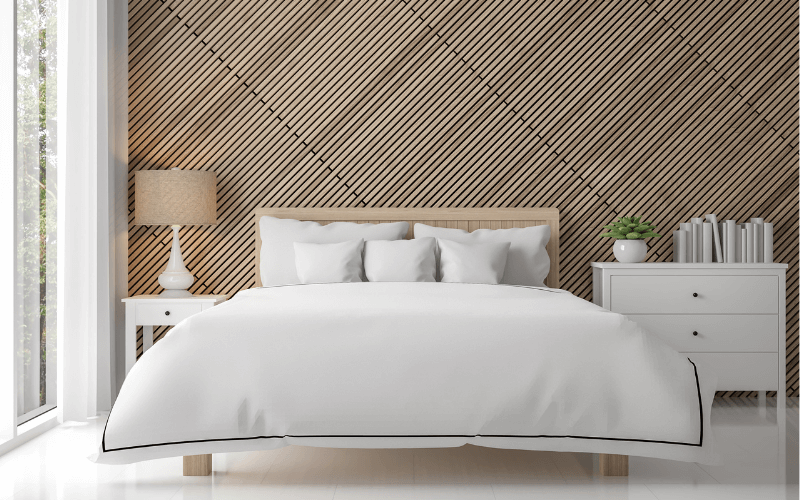
One of the most popular materials for creating an accent wall is wood. It’s a timeless option that adds warmth and texture to a space. A vertical wood-panelled wall, for instance, can create the illusion of height, making it an excellent choice for smaller rooms. Similarly, horizontal panels lend a modern and sleek look, perfect for contemporary interiors. Whether painted or left in their natural finish, wood-panelled walls exude elegance.
For a bedroom feature wall, upholstered panels or wallpaper can add a touch of luxury. Patterns like florals, geometric shapes, or subtle metallics can enhance the cosy atmosphere of a bedroom while adding a hint of glamour. On the other hand, stone or brick walls work wonderfully in living spaces, providing a rustic or industrial vibe. The key is to align the design with the overall theme of your home.
Choosing The Right Wall
When deciding where to place an accent wall, consider the room’s layout and natural focal points. Typically, the wall behind a bed, sofa, or dining table works best as it already draws attention. For a bedroom feature wall, the wall directly behind the headboard is a classic choice. This placement highlights the bed as the room’s central feature while adding visual balance.
In living rooms, an accent wall can frame a fireplace, a television, or a piece of artwork. Avoid placing an accent wall in areas with too many competing elements, such as windows or large doors, as this can create visual clutter. The goal is to create a harmonious design that enhances the room’s functionality and style.
ALSO READ: Solid Style: How To Use Concrete to Elevate Your Home Decor
Accent Wall Dos And Don’ts
When incorporating an accent wall into your home, subtle planning can go a long way. Do consider the room’s lighting, as colours and textures can look different in natural versus artificial light. If you’re opting for a bold or dark colour, ensure the room has enough light to balance it out. Don’t overcrowd the feature wall with too many accessories or furniture, as this can diminish its impact. Instead, let it shine by keeping the surrounding elements simple and complementary.
Another important tip is to avoid creating multiple accent walls in a single room, as this can make the space feel chaotic. Focus on one statement wall per room and ensure the colours and materials harmonise with the other walls and decor. Finally, remember that an accent wall should enhance, not dominate, the room’s overall interior design.
Is An Accent Wall Right For You?
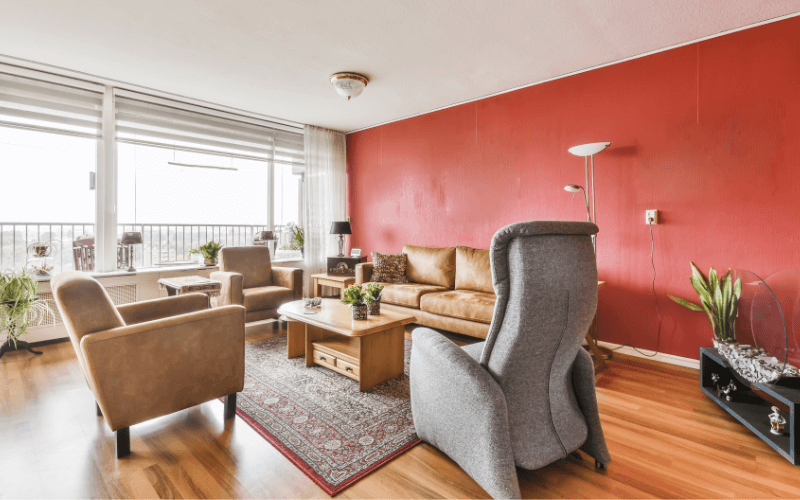
Adding an accent wall is an excellent option if you’re looking to refresh your space without committing to a full-scale home renovation or interior design overhaul. renovation. It’s a cost-effective way to introduce new colours, textures, and materials into your home. Moreover, it’s versatile enough to suit any room, from a cosy bedroom to a spacious living area.
However, it’s essential to consider the long-term appeal of your choice. Bold patterns or trendy designs may feel exciting now but could become outdated over time. If you’re unsure, start with a subtle option like a neutral wood panel or a soft colour palette before experimenting with bolder styles. This way, you can enjoy the benefits of an accent wall while keeping your design timeless.
Conclusion
An accent wall can be a powerful tool in elevating your home’s interior design. By choosing the right colour, material, and placement, you can create a stunning focal point that reflects your personality and enhances your space. Whether it’s a wood-panelled living room wall or a sophisticated bedroom feature wall, the possibilities are endless. With a little creativity and thoughtful planning, your accent wall can transform your home into a stylish and inviting haven.
Beautify your home and indoor lifestyle with expert tips! Visit Living Comforts today to learn more.
