
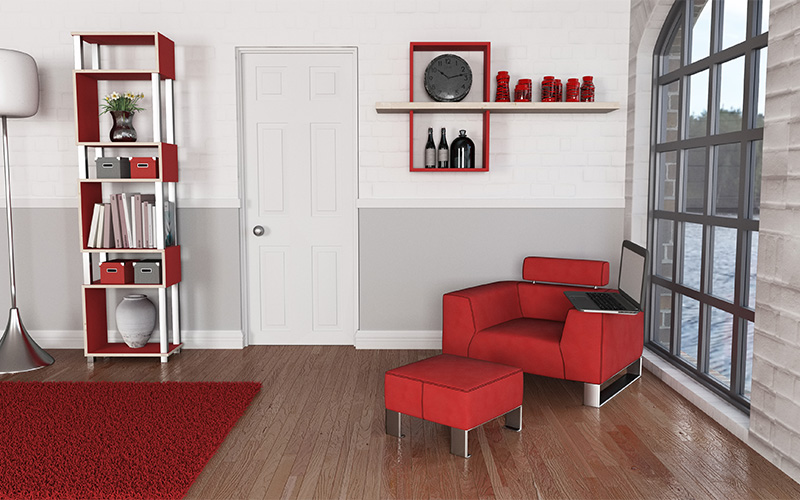
Colour and texture are the unsung heroes of contemporary interior design. They don’t always get the spotlight, but they shape how a space feels the moment you walk through the door. One’s vibrant, the other’s tactile, and together, they create depth, balance, and a whole lot of visual interest. Whether you’re sprucing up a snug studio or redefining your entire home, it’s time to get playful with palettes and thoughtful with texture.
The Basics of Contemporary Style
Before diving into hues and materials, let’s get grounded in the meaning of contemporary interior design. In general, it’s about clean lines, open layouts, and a sense of minimalism that avoids feeling empty. Fewer frills, more function, but never boring.
This design approach blends simplicity with practicality. It favours quality over quantity and relies on elements like colour and texture to breathe life into a space without making it feel cluttered. A neutral base often allows standout features to shine without overpowering the room.
Picking the Right Colours Without Painting Yourself Into a Corner
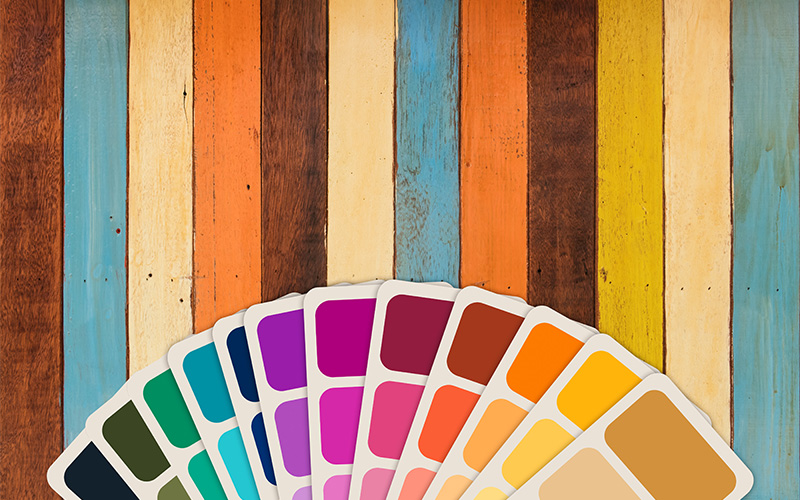
Colour in contemporary interior design isn’t about going wild with a rainbow. It’s about choosing shades that suit your space and how you live. Neutrals like white, beige, and grey provide a calm canvas. They help rooms feel spacious, especially in smaller flats or those with limited light.
But you don’t need to stop at soft tones. Accent colours give your personality a voice. A splash of mustard on a chair or a swipe of navy on a feature wall adds interest without shouting. The trick is balance. Colour should act like punctuation, not the entire sentence.
Warm tones like terracotta or olive bring cosiness. Cool hues like teal or charcoal offer a crisp finish. Stick to a few colours and repeat them thoughtfully, from cushions and curtains to artwork and rugs.
Playing With Texture: Rough, Smooth, and Everything in Between
If colour is the voice, texture is the touch. It makes a space feel layered rather than flat. In contemporary interior design, contrasting materials are common. Think polished concrete floors next to a wool rug. Or a sleek leather sofa paired with a knitted throw. These pairings stop the room from feeling too sterile.
Texture also helps define zones in open-plan layouts. A soft fabric chair tells you to relax, while a stone dining table sets a more formal tone. Matte surfaces bring depth, while glossy ones reflect light and draw the eye.
Natural textures like wood, rattan, and linen are perfect for this style. They’re subtle but tactile, adding warmth without overwhelming the room. Even a small detail like a ceramic vase or a woven basket can change the mood of a space.
Layering for Depth Without Clutter
Layering isn’t about adding more. It’s about mixing materials with a purpose. You might place a cotton rug on a wooden floor, arrange cushions in different fabrics on the sofa, or combine matte and shiny finishes within the same room.
Walls can be part of the fun in contemporary interior design. Textured wallpapers, painted patterns, or wall panels can give dimension. Each layer should serve a purpose. If it doesn’t add comfort or visual appeal, it’s just taking up space.
Lighting helps highlight texture. Soft lighting brings out fabric weaves or wall finishes. Focused lights draw attention to art or special features, giving the room shape and rhythm.
CHECK OUT: Accent Walls: Should You Add One To Your Space?
Colour and Texture in the Kitchen
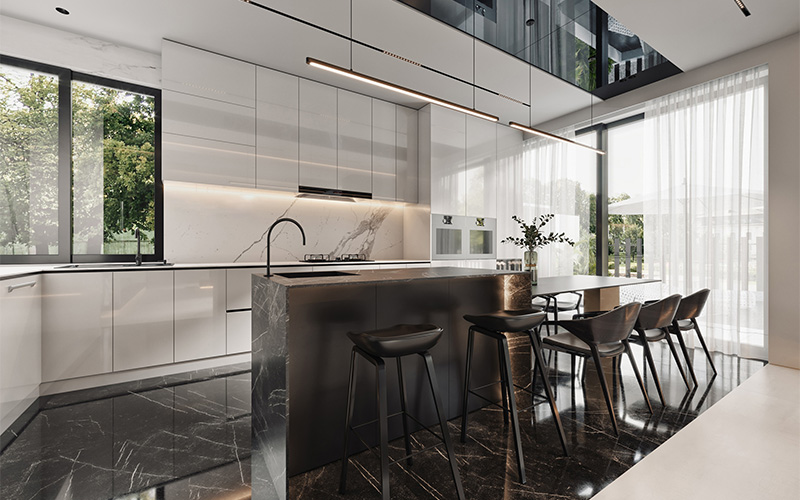
Your kitchen doesn’t have to be a sea of plain cabinets. Colour and texture can turn it into the heart of your home. Consider two-tone units with a neutral base and a brighter shade above. Or mix smooth counters with timber shelves. A tiled backsplash adds both colour and tactile charm.
Brushed metal or matte black appliances fit into the theme without grabbing too much attention. Even bar stools can sneak in a new texture with wood, leather, or woven finishes.
Letting Furniture and Décor Join the Conversation
Furniture in contemporary interior design should be practical and stylish. Look for clean forms that use material or colour to stand out. A velvet armchair in emerald green or rust orange can become a focal point without extra frills.
Soft furnishings are your playground. Try corduroy cushions, wool throws, or even wall-mounted textiles. Art adds colour too, letting you change the vibe of a space without picking up a paintbrush.
Common Mistakes to Avoid

Using too much of one texture makes a room feel flat. Imagine an all-glass space. It might shine, but it won’t feel cosy. The same goes for colour. If everything’s beige, nothing stands out.
Contrast is your friend when it comes to contemporary interior design. A leather sofa works better beside a fabric curtain or a wooden table. A single bold colour does more than five competing ones.
Minimalism doesn’t mean stripping your home of identity. Add pieces that reflect your habits and preferences. Whether it’s a vintage lamp, a handmade bowl, or your favourite records on display, your space should feel like you.
Bringing It All Together
When used thoughtfully, colour and texture give contemporary interiors depth and charm. You’re not trying to fill a room with stuff. You’re giving each piece a voice. Whether it’s a hint of mustard or a textured rug underfoot, the little choices add up.
This design style offers room to breathe while giving you the chance to play with bold or subtle elements. It’s about balance, and when you get it right, even a quiet room can feel full of life.
Visit Living Comforts to find stylish furnishings, layered textures, and tasteful palettes that help you shape your own take on contemporary interior design.
