

Industrial interior designers have long been known for their ability to transform raw, unfinished spaces into stunning modern environments. With their mastery of concrete, exposed beams, and metallic accents, they create spaces that are both functional and aesthetically pleasing. However, as more clients become aware of the benefits of feng shui, it is becoming increasingly important for industrial interior designers to understand and incorporate its principles into their designs.
Understanding Feng Shui and Its Relevance
Feng shui is an ancient Chinese practice that centres around the idea of harmonising individuals with their surrounding environment. Its origins date back over 3,000 years, and its principles are rooted in the belief that the way a space is designed and organised can significantly influence the flow of energy, known as ‘qi’. This energy flow is thought to impact various aspects of life, including health, wealth, relationships, and overall well-being. When the energy within a space is balanced and unobstructed, it promotes positive outcomes, while disruptions or blockages in the flow can lead to stagnation and discomfort.
At first glance, the concept of feng shui may seem like an unusual fit for the stark, minimalist style that is characteristic of industrial interior design. However, these two seemingly contrasting design philosophies can complement each other beautifully. Industrial interior designers often work with raw materials like concrete, steel, and exposed brick, which resonate with the feng shui elements of metal and earth. By thoughtfully incorporating feng shui principles, designers can enhance the energy flow within these rugged environments, creating spaces that are not only aesthetically striking but also harmonious and balanced.
This integration does not mean altering the core elements of industrial design or filling the space with traditional Chinese decorations. Instead, it involves strategic placement of furniture, optimal use of natural light, and the inclusion of natural elements like water and greenery. These subtle yet powerful adjustments ensure that energy flows smoothly, enhancing comfort, boosting productivity, and fostering positive emotions within the space. Ultimately, feng shui serves as a powerful tool for industrial interior designers to elevate their projects, creating environments that are not only stylish but also deeply connected with positive energy.
Enhancing Energy Flow in Industrial Spaces
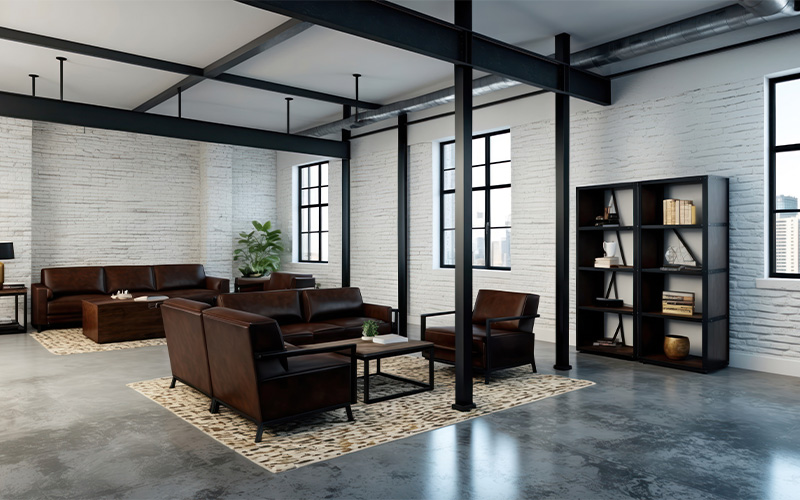
One of the primary goals of feng shui is to promote positive energy flow. Industrial interior designers can achieve this by paying attention to the placement of key elements within a space. For example, furniture should be arranged to allow smooth movement and avoid blocking pathways. This not only improves the usability of the space but also encourages a healthy flow of energy.
In industrial designs, elements like large windows and open spaces already contribute to good energy circulation. Feng shui can enhance this further by incorporating natural elements such as plants and water features. These additions can soften the typically hard-edged look of industrial interiors, making them more inviting while maintaining their iconic style.
Moreover, introducing elements like water features or indoor plants can also serve practical purposes. Plants help to purify the air and introduce life into the otherwise metallic and concrete-heavy design. Water features, when placed strategically, bring a sense of calm and reflection, which contrasts beautifully with the starkness of industrial elements.
Balancing the Elements
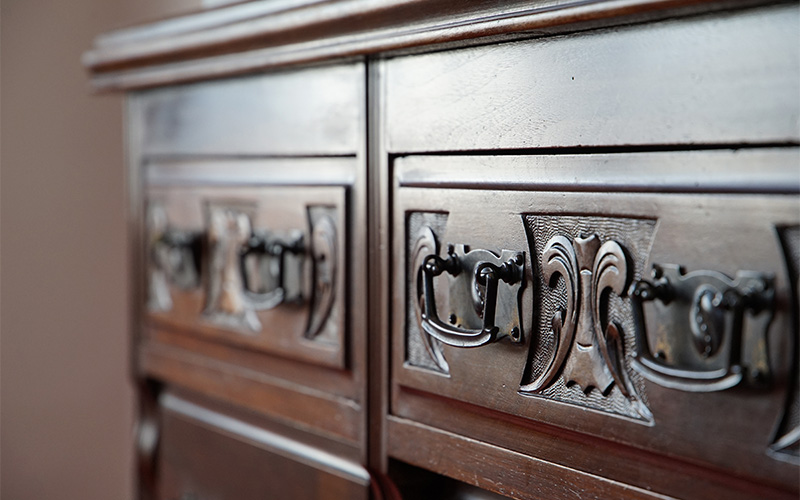
In the principles of feng shui, achieving harmony within a space is deeply rooted in the balance of five essential elements: wood, fire, earth, metal, and water. These elements are believed to represent different aspects of life and energy flow, each bringing unique qualities to a room’s atmosphere. Industrial interior designers often find themselves working predominantly with metal and earth elements, thanks to their strong affinity for raw materials such as exposed steel, concrete, and brick. While this foundation creates a bold and modern aesthetic, it can sometimes result in a space that feels rigid or uninviting if not balanced with softer elements.
To counterbalance this effect, feng shui encourages the introduction of the remaining three elements—wood, fire, and water—into industrial designs. The addition of wooden accents, such as reclaimed timber shelving or lush greenery, introduces the element of wood, symbolising growth, flexibility, and vitality. Meanwhile, the element of fire can be represented through the strategic use of warm lighting or bold artwork, adding passion and energy to the environment. Lastly, incorporating water features such as indoor fountains or even aquariums symbolises calmness, abundance, and fluidity, softening the starkness of industrial materials.
The key to successful feng shui in industrial spaces lies in achieving balance among these elements, rather than allowing one to overwhelm the others. For instance, a room dominated by metallic finishes can feel cold and unwelcoming. By thoughtfully adding wooden furniture, water installations, or vibrant art, designers can soften harsh edges, creating a more inviting and harmonious atmosphere. This equilibrium not only elevates the visual appeal of the space but also enhances its energy flow, making it both aesthetically stunning and energetically balanced.
Optimising Spatial Layout
Industrial interior designers are known for their bold use of space, often embracing open layouts and high ceilings. While this is excellent for a modern aesthetic, feng shui principles encourage mindful space utilisation. For example, clutter should be avoided to allow energy to flow freely. This aligns well with industrial design’s minimalist approach.
Furthermore, the positioning of key areas, such as workspaces or seating areas, can be optimised using feng shui techniques. Placing desks or workstations in the ‘command position’, which allows the person to face the entrance while not directly in line with the door, promotes confidence and focus.
The use of partitions and well-placed furniture can also help guide the flow of energy. For instance, strategic placement of shelving or screens can create natural pathways, encouraging smoother movement and better energy circulation throughout the space.
ALSO READ: How to Achieve a Utilitarian Industrial Home Decor
The Importance of Light and Colour
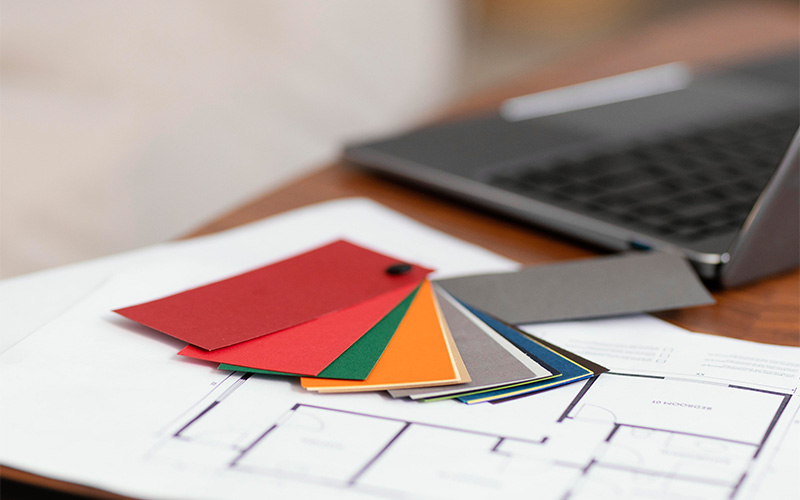
In the world of feng shui, light and colour are not merely decorative choices—they are powerful tools for influencing the energy flow within a space. Light is considered the physical representation of energy, and its presence or absence can significantly impact the mood and atmosphere of a room. Industrial interior designers typically favour neutral colour schemes dominated by shades of grey, black, and white. While these colours establish the sleek, minimalist aesthetic characteristic of industrial design, they can sometimes feel stark or unwelcoming without the right balance of light and complementary hues.
To counterbalance this effect, feng shui encourages the thoughtful use of colour to breathe life and vibrancy into industrial spaces. Warm tones like red and orange introduce elements of passion and dynamism, invigorating the space with lively energy. On the other hand, cool hues such as blue and green bring calmness and serenity, softening the hard edges of metal and concrete. These colour choices not only enhance the visual appeal but also promote a balanced energy flow that aligns with feng shui principles.
Natural light plays an equally important role in feng shui design. Industrial interiors, with their large windows and open layouts, are perfect for harnessing natural sunlight. Maximising natural light not only illuminates the space beautifully but also amplifies positive energy, contributing to a sense of openness and well-being. Where natural light is limited, designers can strategically use reflective surfaces like mirrors and glass to magnify light and brighten darker areas. These reflective elements help distribute energy evenly throughout the space, preventing stagnation and enhancing the overall atmosphere.
By blending thoughtful colour choices with optimal lighting strategies, industrial interior designers can transform stark, minimalistic spaces into environments that are not only visually stunning but also rich with positive energy and harmony.
Merging Functionality with Positive Energy
The beauty of industrial design is its functionality—spaces are designed to be practical and efficient. By weaving in feng shui principles, industrial interior designers can not only maintain this functionality but also enhance the occupants’ well-being. When spaces are designed with both efficiency and energy flow in mind, it creates an environment that is both productive and harmonious.
Integrating feng shui does not compromise industrial design principles. Instead, it elevates them by adding layers of comfort and serenity to what is often seen as a purely utilitarian style. Designers who embrace this philosophy find that their spaces are not only visually striking but also more enjoyable to live and work in.
Feng Shui in Industrial Workspaces
Industrial interior designers can also apply feng shui principles to commercial and office spaces. By optimising desk placement, adding natural elements, and creating clear pathways, energy flow is enhanced, leading to better productivity and job satisfaction. Feng Shui encourages the integration of live plants, natural light, and strategic colour choices to combat the sometimes harsh elements of industrial design, making workspaces both inspiring and efficient.
Furthermore, integrating feng shui into co-working spaces can foster collaboration and creativity. Designers can create zones for different activities, ensuring that energy flows appropriately for focused work, group meetings, and relaxation zones.
Conclusion
The fusion of industrial interior design and feng shui is not just about aesthetics; it is about enhancing the energy and comfort of a space. As awareness of feng shui grows, industrial interior designers stand to benefit greatly from understanding its principles and integrating them into their projects. This harmonious blend can elevate spaces, making them not only stylish and functional but also nurturing and balanced.
Visit Living Comforts to find out more about interior design inspirations.
