
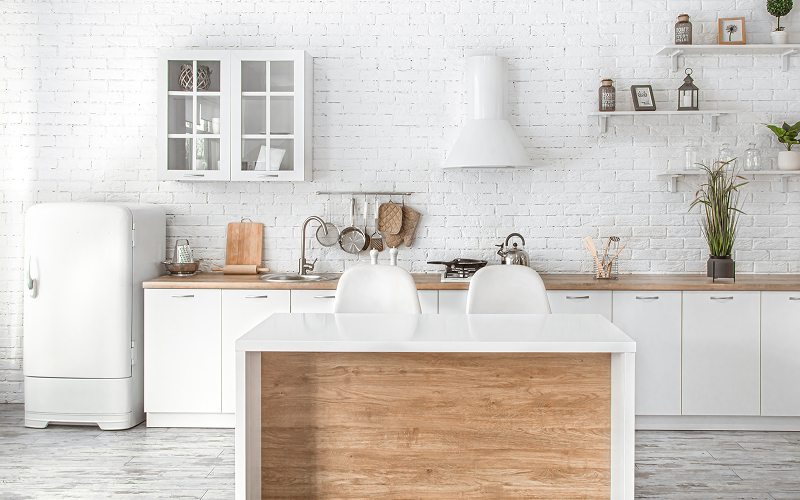
Modern living in Singapore often means choosing between form and function. But when it comes to kitchens, why not have both? A well-planned kitchen island in Singapore homes does more than fill a gap. It gives homeowners storage, workspace, and style, all wrapped into one useful centrepiece. In small homes where every inch matters, a kitchen island can be the unsung hero of a flat.
Why a Kitchen Island Makes Sense in Singapore
Living spaces in Singapore lean toward the compact. HDB flats, resale units, and even some condominiums share a common feature: tight kitchens. That’s why the kitchen island in Singapore homes is rising in popularity. It’s a design solution that meets the demands of local living. A well-placed island helps reduce clutter, adds visual order, and serves as a workhorse when guests show up or meals need prepping.
Some households use it as a breakfast spot, others as a semi-formal dinner setting. Some use it to house appliances or conceal storage. Whatever the need, the island adapts. Its multifunctionality is what makes it practical for Singapore households juggling limited square footage. The kitchen island in Singapore settings often turns a simple flat into a well-organised home.
Blending Style with Everyday Utility
The kitchen island in Singapore flats often pulls double duty. One moment it’s a prep zone, the next it’s a social counter. It becomes a place where kids do homework while dinner simmers. With smart design, it blends into the interior theme and adds to the room’s look rather than interrupting it.
Some choose woodgrain finishes to match cabinetry, others go bold with colour contrast. Either way, the island pulls its weight and stands out in style. What makes the kitchen island in Singapore homes so adaptable is how it fits seamlessly into both modern and traditional interiors.
ALSO READ: Designing a Kitchen That Works for Everyday Life: Interior Tips for a Practical Home
Choosing the Right Size and Shape for Your Layout
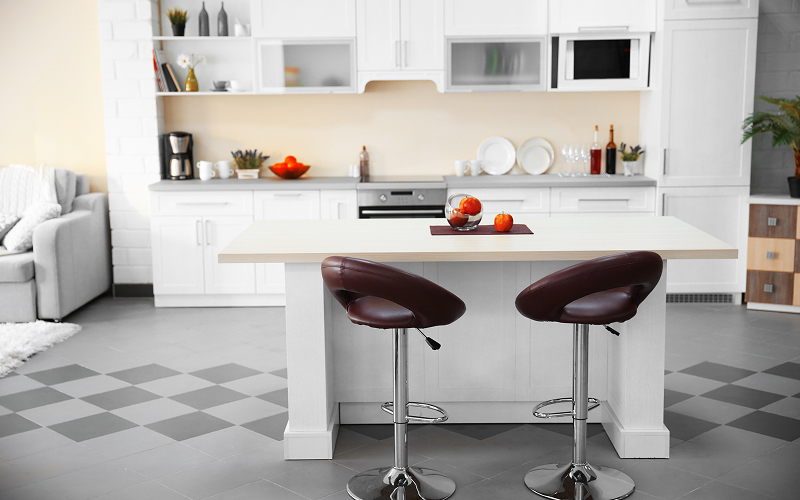
A key consideration for any kitchen island in Singapore is scale. Go too big, and movement gets blocked. Too small, and it loses its value. A good rule of thumb is to allow at least 1 metre of walking space around it. This keeps the kitchen from feeling cramped.
Those in long, narrow kitchens might opt for a slim rectangular island. L-shaped kitchens benefit from square or circular units that fill the centre space. For open-concept homes, the island can act as a subtle divider between the kitchen and living zones. Even in tight layouts, the right kitchen island in Singapore flats helps define and enhance flow.
Space-Saving Shapes That Work
Not every home can fit a traditional island. Fortunately, there are shapes that work smarter. Narrow or galley-style kitchens can still host an island if it’s slim enough. A mobile island on wheels lets you move it out of the way when needed. Fold-out versions offer flexibility without hogging space.
For those with a bit more room, a U-shaped island offers prep, cook, and wash zones all in one. It gives the feel of a full kitchen without needing extra square footage. The versatility of a kitchen island in Singapore kitchens proves that small spaces can still be creative playgrounds for home cooks.
Smart Storage: Where Form Meets Function
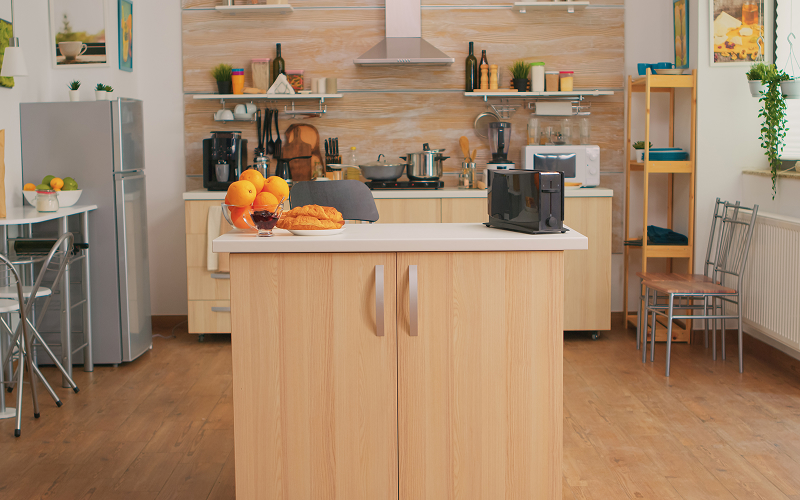
The best part about a kitchen island in Singapore homes is its hidden strengths. Storage features turn it from a nice-to-have into a must-have. Deep drawers under the counter offer room for pots, pans, and baking trays. Built-in spice racks or pull-out baskets help keep surfaces neat.
A good design also considers vertical space. Open shelving for everyday dishes or vertical dividers for chopping boards make storage intuitive. Think of the island as a drawer set that just happens to look stylish. In many households, the kitchen island in Singapore setups also serves as a hidden pantry or snack station.
Hidden Compartments and Pull-Outs
The trend now leans towards storage that stays out of sight. Pull-out waste bins, slide-out towel bars, or hidden power outlets keep clutter at bay. Even knife holders or utensil trays can be tucked away for easy access without a visual mess.
This kind of smart storage keeps the kitchen looking clean and makes daily tasks smoother. The island becomes a place where everything has its spot. This makes the kitchen island in Singapore homes a silent organiser in the background.
Integrating Seating Without Sacrificing Space
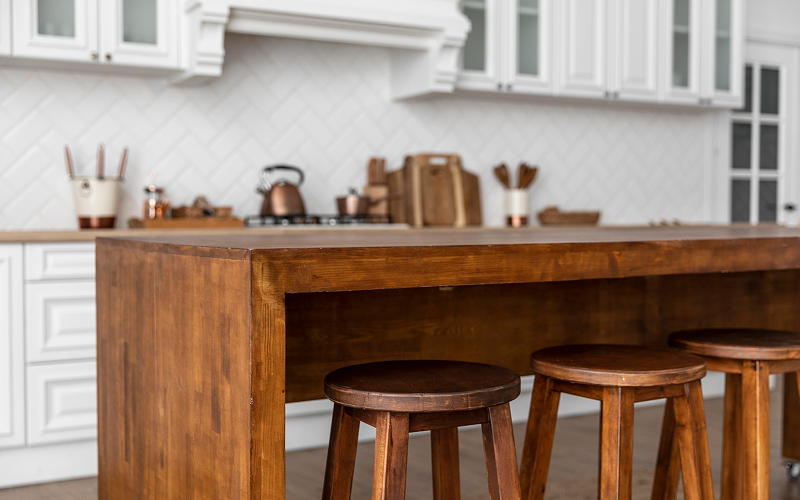
A kitchen island in Singapore isn’t just for cooking. Many use it as a dining table or breakfast bar. The trick is choosing seating that tucks under neatly. Stools with low backs or stackable chairs help keep the footprint minimal.
Homes with open layouts can stretch the island out lengthwise. This lets it seat more people without cutting into kitchen flow. One side can be all storage, the other for seating. That way, you get both without giving up space. When done thoughtfully, the kitchen island in Singapore homes doubles up as the main dining area.
Dining Table or Island? Why Not Both?
Some designs merge the island and dining area into one. An extension that lowers slightly from the main counter makes it feel like a dining table. It gives the space a casual, lived-in vibe.
Materials like wood for the extension and stone for the prep side help create visual separation while keeping the piece unified. For families with kids, this setup can simplify meal times and clean-up. A family-friendly kitchen island in Singapore households often becomes the spot for daily bonding.
Material and Colour Ideas to Enhance Visual Space
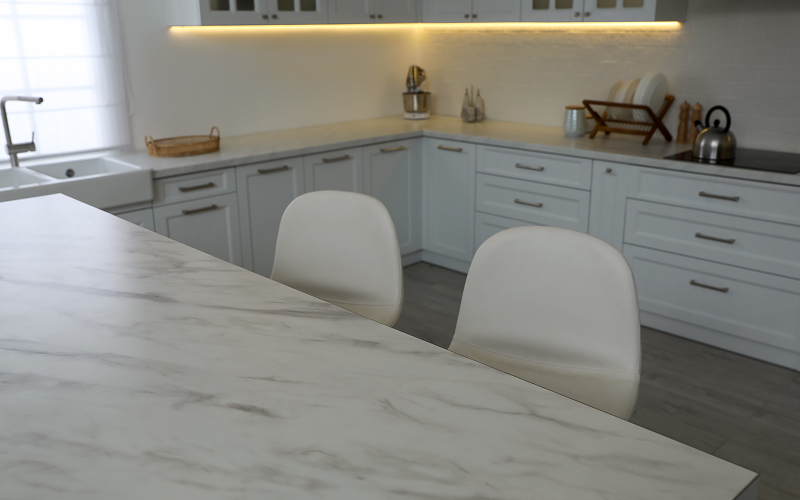
The finish of your kitchen island in Singapore can affect how big or small the space feels. Light colours reflect more light and open up the room. Glossy or reflective finishes bounce light around, adding depth.
Materials like white quartz, pale terrazzo, or light oak help keep things bright. For smaller spaces, avoid dark wood or matte black unless you’re going for a bold, industrial theme.
Matching Your Island with the Rest of Your Home
Cohesion is key. The kitchen island in Singapore should match or complement the rest of the house. If your kitchen opens up to the living area, repeat design elements like flooring material, cabinet tones, or lighting finishes.
This kind of visual unity ties the space together. It avoids the island feeling like an afterthought. Instead, it feels intentional and part of the home’s overall flow. A visually connected kitchen island in Singapore interiors helps maintain a clean and seamless layout.
Incorporating Appliances and Tech Features
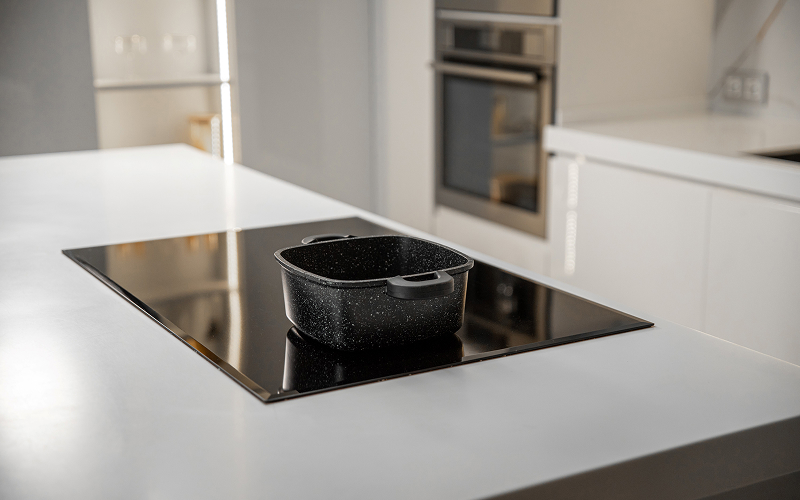
Today’s kitchen island in Singapore can include more than just drawers and counters. Tech-savvy options are making their way into local homes. Think built-in induction cooktops, under-counter fridges, or wine coolers.
Other popular choices include USB ports, pop-up outlets, and even Bluetooth-enabled lights. These features blend into the island and disappear when not in use. They cater to a generation that wants smart homes without too many wires.
Power Planning and Ventilation Tips
If you’re installing cooking elements in the island, consider power needs and ventilation. You’ll need an island hood if you’re using a hob. Electrical lines must be run properly, often during renovation. A qualified contractor ensures compliance with local codes.
Keep appliance noise in mind, too. Fridges and dishwashers under the island should operate quietly to avoid disruption in an open layout. A well-equipped kitchen island in Singapore kitchens must also meet practical safety standards.
Tailoring Your Kitchen Island to Your Lifestyle

Your kitchen island in Singapore should reflect how you live. If you love baking, a large prep surface is a must. Families might need seating for quick breakfasts. Those who entertain often can use it as a serving station.
A young couple might prioritise sleek design and hidden features. A multigenerational household might prefer rounded edges and easy-to-reach drawers. The island should fit your life, not the other way around. Flexible by design, the kitchen island in Singapore households often becomes the most dynamic part of the kitchen.
Open-Concept Living and Kitchen Islands
In homes with open-concept kitchen designs, the island often sits front and centre. It connects the kitchen to the living room. This means it has to work visually and functionally. A floating island can act as a soft boundary between spaces.
Some opt for islands with built-in bookshelves or displays on one side, facing the living area. This helps bridge the gap between cooking and lounging without breaking flow. In such spaces, the kitchen island in Singapore homes blends lifestyle with design in a fluid way.
Final Thoughts: Balancing Looks and Function
Fitting a kitchen island in Singapore homes isn’t about following trends. It’s about finding balance. It adds function to the home, improves the way space is used, and gives the kitchen a focal point that people naturally gather around.
When done right, the island becomes more than just a block of counter. It’s a multitasking feature that earns its spot in the home. Whether you’re cooking, chatting, working, or snacking, it’s always there.
Visit Living Comforts to find kitchen island solutions designed for Singapore homes that prioritise function without losing an ounce of style.
