
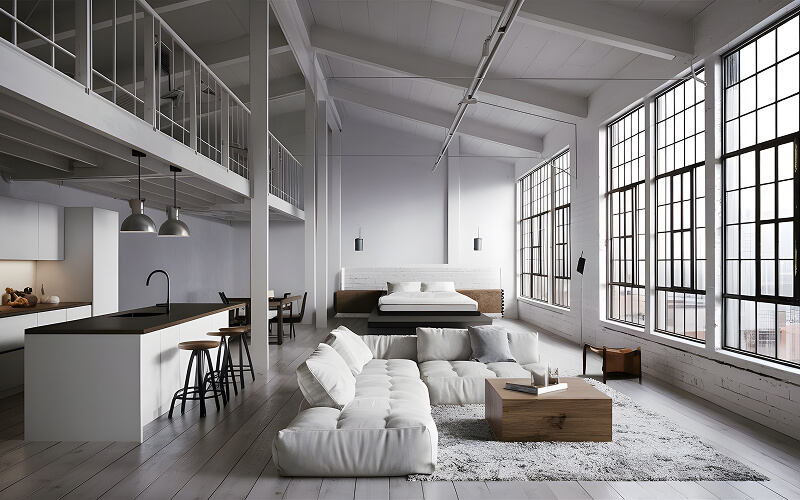
Industrial interior decor has become a defining trend in Singapore’s contemporary living spaces, from chic cafés to high-rise HDB flats and upscale condos. Its iconic features, such as exposed pipes, raw concrete walls, distressed wood, and metal accents, are widely celebrated for their striking aesthetics. However, industrial interior decor is not just about looking good. This design style embodies a deeper philosophy of functionality, heritage appreciation, and sustainable living. For Singaporeans navigating limited space and a fast-paced urban environment, understanding the deeper value of industrial interior decor can lead to smarter, more meaningful design decisions.
The Historical Roots That Add Depth
The origins of industrial interior decor trace back to the early 18th century, where old factories and warehouses in the United States and Europe were converted into residential lofts. These utilitarian spaces retained their original architecture, such as steel beams, bare bricks, and open floor plans. This design language speaks volumes about resilience, innovation, and repurposing the past into something meaningful.
For many Singaporeans, especially younger homeowners, the appeal of this style lies in its history. It creates a connection between industrial evolution and present-day innovation. Adopting industrial interior decor is like living inside a design that tells a story, where every pipe, scratch, and imperfection adds authenticity rather than needing to be covered up. This layering of history within a modern home lends both character and context to the environment, making it far more than a trend.
ALSO READ: A Brief History of Industrial Interior Design
Maximising Functionality Without Sacrificing Style
In land-scarce Singapore, where square footage is a premium commodity, functional design is not a luxury—it is a necessity. Industrial interior decor excels in its commitment to functionality. Exposed storage solutions such as open shelving, metal racks, and integrated cabinetry not only contribute to the industrial look but also enhance usability.
Instead of hiding structural elements like beams, ducts, or wiring, industrial interior decor embraces them. This honest approach to design is inherently space-saving and cost-effective, allowing homeowners to allocate budget towards more purposeful investments like quality furniture or energy-efficient lighting.
Moreover, the open layout that defines this style creates flexible zones within the same room. Living rooms seamlessly transition into dining or working areas, a feature increasingly relevant as more Singaporeans adopt hybrid work arrangements. By choosing industrial interior decor, one is choosing practicality and performance alongside personality.
Sustainable Choices in a Modern Age
One of the most underappreciated aspects of industrial interior decor is its alignment with sustainability. Rather than promoting new materials, this style often favours reclaimed wood, salvaged metal, and upcycled furnishings. In a society that is becoming increasingly eco-conscious, particularly with Singapore’s Green Plan 2030, industrial design offers a viable path towards green living.
Choosing industrial interior decor means supporting a circular economy. Furniture can be sourced second-hand, vintage items can be restored, and raw materials reused. This reduces reliance on mass-manufactured items that contribute to landfill waste. Beyond the environmental benefit, these pieces often hold emotional and historical value, fostering a deeper appreciation for one’s living space.
Mental Wellness Through Minimalist Inspiration
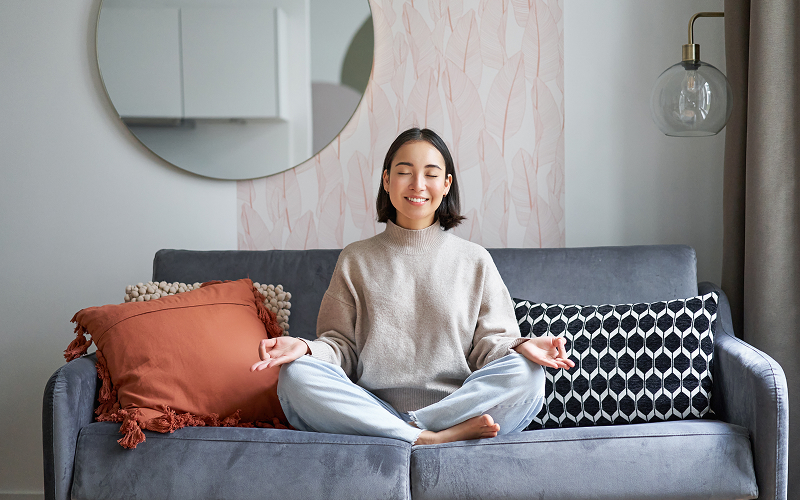
Despite its rugged appearance, industrial interior decor promotes mental clarity and calm. Its open layouts, neutral colour palettes, and minimal embellishments draw inspiration from minimalist principles. The result is an environment that feels open, grounded, and unpretentious.
In high-density cities like Singapore, where noise, visual clutter, and fast-paced lifestyles are part of everyday life, the psychological benefits of such a serene interior cannot be overstated. Industrial spaces allow the mind to breathe. The reduced focus on ornamentation encourages mindfulness, letting residents unwind without sensory overload.
Moreover, the emphasis on natural materials like wood, stone, and metal enhances this grounding effect. Tactile textures and earthy tones create sensory comfort, aligning the living space with biophilic design values that promote wellbeing through nature-inspired elements.
A Platform for Creative Expression
Another significant reason why industrial interior decor is more than skin-deep is its incredible versatility. This design style serves as a canvas for creative personalisation. You can incorporate modern art, vintage finds, industrial lighting, or even colourful accents without compromising the overall theme.
This is particularly relevant for Singaporean homeowners who often seek a balance between resale value and individuality. Industrial decor allows them to adapt the space according to evolving tastes or life stages without a major overhaul. Whether it’s a bachelor pad, a family home, or a rental investment, this style remains flexible yet distinct.
Furthermore, industrial interior decor welcomes cultural and artistic expression. A raw concrete wall can become the backdrop for Peranakan ceramics, local artwork, or travel memorabilia. It does not compete for attention but rather enhances the elements you choose to highlight. This flexibility provides a uniquely Singaporean spin on a global design trend.
Embracing Imperfection and Authenticity
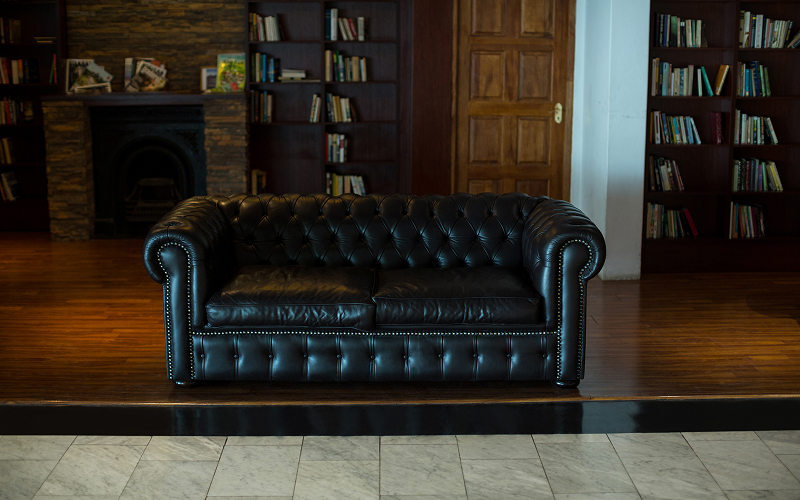
In a culture where perfection is often prized, from academic performance to aesthetic ideals, industrial interior decor brings an important counter-narrative. It embraces the beauty of imperfection. Whether it’s a weathered leather sofa, rusted patina on a shelf bracket, or chipped flooring, these features are celebrated, not concealed.
This philosophy resonates with a growing number of Singaporeans who are seeking authenticity in an increasingly curated and digital world. Industrial interior decor reminds us that homes do not need to be flawless to be beautiful. It honours the passage of time, the mark of use, and the stories embedded in materials. For those seeking a deeper emotional connection with their environment, this style provides a soulful, grounded alternative.
Supporting Local Artisans and Businesses
Industrial interior decor in Singapore often overlaps with local craftsmanship. Many homegrown furniture makers and interior specialists cater to this niche by offering bespoke carpentry, welded metal frames, and artisanal decor. By adopting this style, homeowners support the local creative economy.
Custom-made industrial furnishings also allow for greater quality control and personalisation. In contrast to mass-produced imports, these items often last longer, are tailored to specific spaces, and contribute to a more sustainable consumption cycle. Moreover, Singapore’s vibrant community of designers continues to reinterpret industrial themes with Southeast Asian flair, introducing rattan, teak, and bamboo elements that blend ruggedness with tropical warmth.
Adaptive Reuse in Urban Housing
Another way industrial interior decor proves its value is through adaptive reuse. Many older HDB flats and shophouses in Singapore are now being revitalised with industrial themes. These properties often have structural quirks such as uneven walls, outdated piping, or limited natural light. Instead of hiding these elements, industrial decor turns them into features.
By exposing old water pipes or highlighting the texture of aged walls, homeowners can avoid costly renovations while adding character to their spaces. This approach not only preserves the architectural integrity of older homes but also reduces renovation waste and unnecessary material consumption.
In doing so, industrial interior decor becomes an enabler of urban renewal. It allows the old to meet the new in a way that feels intentional rather than forced. This is particularly important in Singapore, where the government is continuously balancing urban development with heritage conservation.
Resilience in Design
The robustness of industrial interior decor contributes to its enduring appeal. Unlike trend-driven designs that can quickly feel dated, the industrial look is based on timeless materials and honest construction. Steel, concrete, and hardwood are not only visually striking but incredibly durable.
For families with young children or pets, this translates to a space that is hard-wearing and easy to maintain. Scuff marks, dents, or minor scratches do not detract from the decor’s appeal. In many cases, they add to it. This resilience makes industrial decor not just aesthetically pleasing, but also practical for everyday living in a dynamic city like Singapore.
Redefining Luxury Through Simplicity
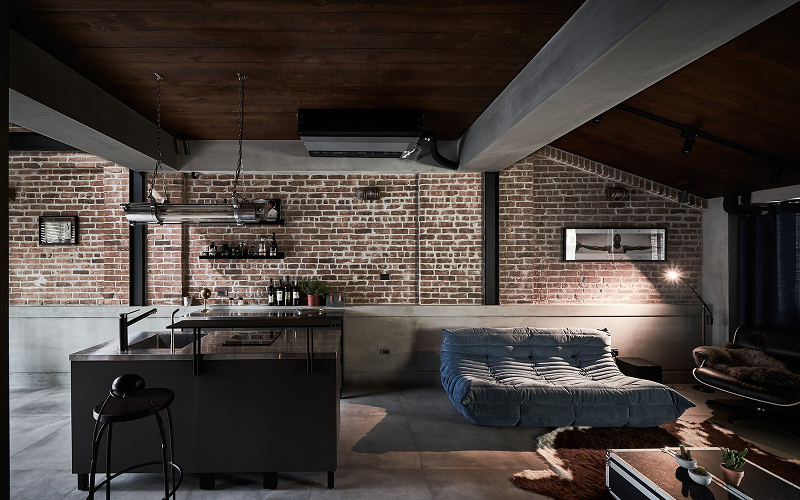
While many associate luxury with opulence, industrial interior decor redefines this idea through raw elegance. A loft-style living room with steel-framed windows, pendant lights, and polished concrete floors offers a different kind of luxury, one based on space, light, and simplicity.
This understated opulence appeals to a new generation of Singaporean homeowners who value experiences over excess. Industrial decor suggests sophistication through restraint, proving that luxury need not be flashy. Instead, it can be functional, emotionally resonant, and ethically conscious.
Industrial interior decor also aligns seamlessly with Singapore’s urban lifestyle. As city dwellers look for interiors that adapt easily to changing needs and limited space, this style offers long-term design flexibility. Whether you’re planning a future family, setting up a home office, or downsizing, its adaptable nature ensures that your space remains both stylish and efficient over time. It is truly a future-ready design approach.
Conclusion
Industrial interior decor goes far beyond visual appeal. It is rooted in history, driven by practicality, aligned with sustainability, and steeped in emotional and psychological depth. For Singaporean homeowners seeking a living space that is not only beautiful but also meaningful, this style offers a compelling proposition.
It enables urban living that is mindful, adaptable, and authentic, attributes that are becoming increasingly important in modern life. From smart functionality to cultural expression and emotional grounding, industrial interior decor holds lasting value in more ways than one.
To explore more insightful guides on interior styles, local design inspiration, and sustainable living tips, visit Living Comforts and stay updated on the latest content crafted just for you.
