
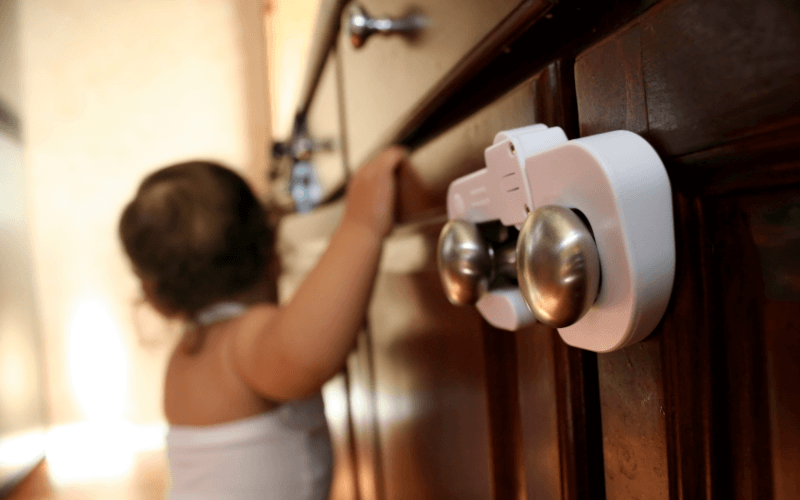
When a child enters the picture, your home takes on a new meaning—it becomes a haven for exploration and, potentially, hazards. The term “childproofing your home” refers to making adjustments to ensure your child’s safety as they grow. But is it necessary to childproof a house? The answer lies in understanding the balance between protecting your little one and fostering their natural curiosity.
Why Child-Proofing is Crucial
Sometimes, accidents happen that could cause injury to children under five. Naturally, toddlers are inquisitive, often drawn to objects such as outlets and spaces that may be dangerous. Cabinet babyproofing, for instance, might seem excessive until you realise how attractive a cabinet is to a two-year-old.
Childproofing is not about wrapping your home in bubble wrap but creating a safer environment where children can explore within reasonable limits. While it may seem daunting, the peace of mind it brings is invaluable.
For Singaporean couples who don’t have kids, keeping your home safe for your pets is also crucial. Make sure that every tool in your house is pet-friendly to avoid accidents.
5 Key Areas to Focus On
One of the things you need to realise is that every home is different, and so is every kid. However, there are plenty of spots in most houses that require additional attention. Here are some childproofing tips for these critical areas:
1. The Kitchen

Kitchens are a centre of activity and it is also full of potential house hazards. Hot stoves, sharp knives, and chemicals are common risks. Use cabinet babyproofing tools like magnetic locks or latches to secure drawers and cupboards. Install stove knob covers and opt for back burners when cooking. Store small appliances like blenders out of reach to prevent mishaps.
2. The Bathroom
Slippery surfaces and water make bathrooms potentially dangerous. Add non-slip mats to floors and inside the bathtub. Use toilet lid locks to prevent accidental drowning.
3. Living and Sleeping Areas
These spaces might seem safer but are not without risks. Cover sharp edges on coffee tables or low furniture with corner guards.
4. Electrical Outlets and Cords
Electricity poses one of the biggest dangers to young children. Use plug socket covers to prevent little fingers from poking inside. Hide or secure cords to prevent tripping or chewing.
5. Doors and Windows
These are escape routes for adventurous toddlers. Install door knob covers or safety locks to restrict access to certain rooms. Use window guards or locks to prevent falls.
Is Child-Proofing Overprotective?

A lot of experts argue that over-childproofing limits the child’s natural ability to learn from boundaries and risks. While there’s a point to this perspective, the key is finding balance. For instance, childproofing your home doesn’t mean removing every item that could be unsafe; instead, it involves prioritising changes in high-risk areas.
Parents can also teach children about safety as they grow. For example, explaining why some cupboards are off-limits can instil awareness while maintaining a secure environment.
Alternatives to Traditional Childproofing
If you’re concerned about overdoing it, there are minimalist approaches to consider.
- Supervision: Keeping a close watch on your child can sometimes eliminate the need for extreme measures.
- Segmentation: Create a designated safe zone in your home where your child can play freely without constant oversight.
- Temporary Adjustments: Rather than permanent fixtures use temporary items like gates or portable locks.
The Cost of Childproofing
A lot of parents are reluctant to invest in childproofing due to the costs associated with it. Simple solutions like securing cabinets with elastic bands or using pool noodles as edge guards are budget-friendly and effective.
The Verdict
Childproofing a house is not a one-size-fits-all solution. It’s a personalised process that depends on your home layout, your child’s personality, and your parenting style. While it’s impossible to prevent every accident, taking preventive steps in high-risk areas significantly reduces the likelihood of serious harm.
Remember, childproofing is not about limiting your child’s freedom but ensuring they have a safe space to grow, explore, and learn. Start small, focus on key areas, and adapt as your child develops. In the end, a little effort goes a long way in protecting what matters most.
ALSO READ: 7 Hidden Dangers in Your Home You Didn’t Know Needed Childproofing
