
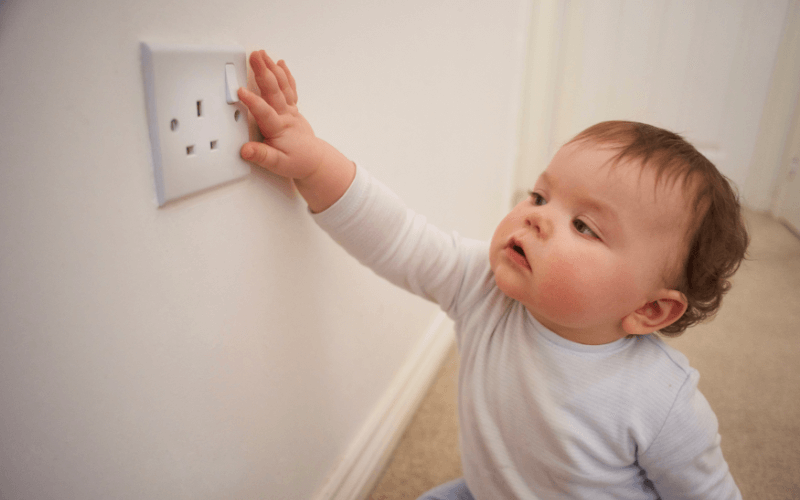
Safety must be included in every interior design and decor. When childproofing your home, many parents focus on the obvious hazards like sharp edges and stairs. However, several hidden dangers are often overlooked, posing risks to curious little ones. Here are seven unexpected places that may need childproofing in your home.
1. Furniture Tip-Over Hazards
Many parents don’t realise how easily furniture can tip over when a child climbs or pulls on it. Large items like bookshelves, dressers, and TV stands can become dangerous if not properly secured. Childproofing furniture by anchoring it to the wall is a crucial step in preventing accidents. Ensure all tall, heavy items are firmly anchored, and avoid placing tempting objects, like toys, on top of furniture that may encourage climbing.
2. Kitchen Appliances
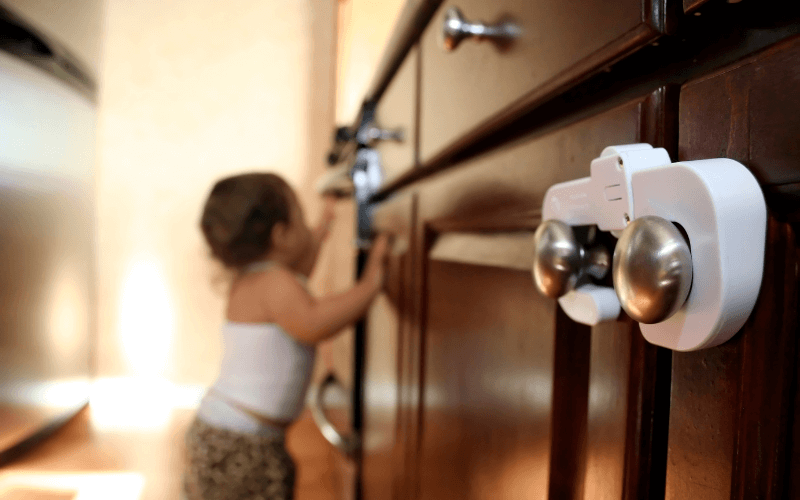
Appliances like dishwashers, ovens, and refrigerators can present serious risks to children. An oven door can easily be pulled down, creating a potential fall hazard, while dishwashers with sharp utensils inside can be an accident waiting to happen. Childproofing appliances such as stoves and dishwashers with locks or latches can prevent children from gaining access. Always use appliance locks and keep potentially harmful items like knives out of reach.
ALSO READ: Highlighting the Importance of Child-Proofing Your Home
3. Window Blinds and Cords
Window blinds and their cords are commonly overlooked hazards, yet they pose a significant strangulation risk to small children. Childproofing blinds is simple—tie up or secure loose cords out of reach or replace blinds with cordless versions to eliminate the danger. Installing cord winders or cleats to wrap cords high up is another practical and affordable solution to keep your home safe.
4. Toilets and Bathroom Hazards
Toilets are surprisingly dangerous for young children, as they can present a drowning risk if left unattended. Moreover, bathroom cabinets often contain cleaning products or medicines, which can be harmful if ingested. Childproofing your bathroom by installing toilet locks and securing cabinets with childproof latches can prevent accidents. Ensure to always supervise your child in the bathroom and store harmful substances out of their reach.
5. Power Strips and Electrical Cords
While many parents focus on covering electrical sockets, power strips and electrical cords are often forgotten. Power strips with exposed outlets can be very tempting for small hands, and loose cords present a tripping hazard or risk of strangulation. In addition to childproofing furniture, incorporating effective interior design or layout strategies, such as using cord organisers, power strip covers, and securing cords out of sight can significantly enhance your home’s safety and aesthetics Ensure that all electrical devices are unplugged when not in use to reduce potential dangers.
6. The Laundry Room
The laundry room may not seem like an obvious place for childproofing, but it contains multiple hazards. Laundry detergent pods, which resemble colourful toys, are highly toxic and can be fatal if ingested. Washing machine doors can also become dangerous if a child crawls inside and the door closes. To keep children safe, store all cleaning products out of reach and childproof washing machine doors with safety latches or locks.
7. Fireplaces and Heaters
Even if a fireplace is not in use, it still presents several risks to children, such as sharp edges, glass doors, or leftover ash. Space heaters can also cause burns if touched when hot. To childproof fireplaces, consider installing a screen or gate to block access. For heaters, ensure that they are placed out of children’s reach and used with caution to avoid burns. Additionally, never leave your child unattended near any source of heat.
Conclusion
Your home may contain more hidden hazards than you initially realise. From furniture to appliances, several areas need attention when childproofing your home. Take the time to secure these spaces and create a safer environment for your children.
For more insights on lifestyle and Home & living, visit Living Comforts’ website today.
