
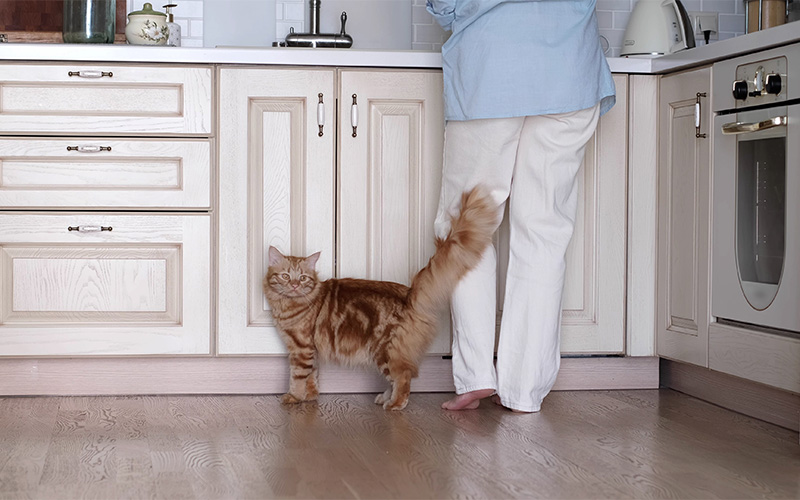
Cats are naturally curious creatures, and when it comes to the heart of the home – the kitchen – their sense of exploration can sometimes lead to risky situations. From climbing countertops to nibbling on stray bits of food, it’s important to consider how to make kitchens both stylish and cat-safe. With a few thoughtful design choices and some clever modifications, you can create a beautiful kitchen that not only looks good but also keeps your furry friend out of harm’s way.
Understanding the Risks in Kitchens
Kitchens are bustling with activity, filled with gadgets, sharp objects, and food that may not be safe for cats. A simple flick of a tail can send knives sliding off countertops, and an inquisitive paw could easily touch a hot stove. For this reason, it’s crucial to understand the primary dangers.
First, keep all sharp objects like knives, peelers, and graters securely stored in drawers or knife blocks. Avoid leaving them unattended on countertops, even if you are just stepping away for a moment. Cats are swift and agile, and what seems like a harmless act can quickly escalate.
Second, consider electrical appliances. Toasters, blenders, and microwaves should be unplugged when not in use. Cats are known for batting at dangling cords, which can lead to electric shocks or damage to the device. Installing cord protectors or hiding wires behind kitchen cabinets can reduce this risk.
Lastly, be mindful of toxic foods. Onions, garlic, chocolate, and grapes are just a few examples of common kitchen ingredients that are harmful to cats. Make sure leftovers are stored in sealed containers and any scraps are promptly disposed of.
Designing Cat-Safe Countertops
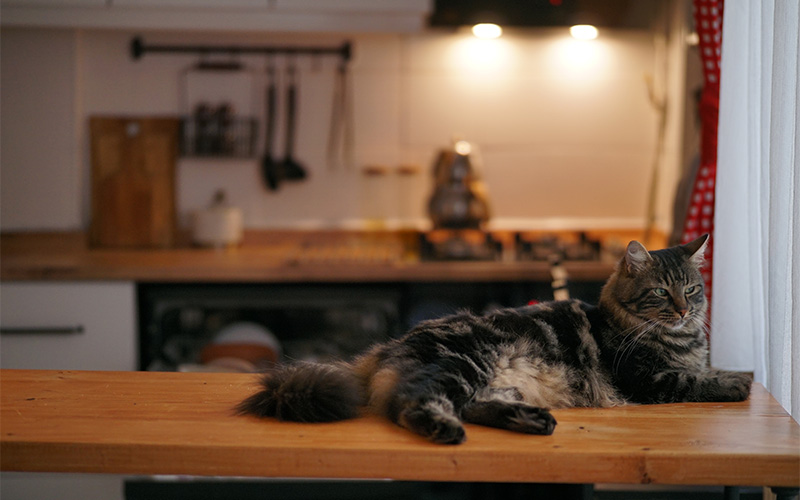
One of the biggest challenges for cat owners is keeping their pets off the countertops. Cats love high spaces and tend to jump on countertops to observe what is going on. To discourage this behaviour, try installing cat-friendly alternatives.
Consider setting up a designated perch near the kitchen, such as a wall-mounted cat shelf or a window seat where they can watch the action without getting in the way. This allows your feline to stay involved without risking a spill or accident. Additionally, using non-toxic deterrent sprays on countertops can make the surface less appealing.
For more stylish interiors, think about extending your cabinets with built-in cat shelves that match your kitchen’s design. This not only keeps them safe but also adds a unique touch to your interiors.
Cat-Friendly Kitchen Flooring
Flooring is another consideration when it comes to kitchens and cats. Slick surfaces like tile or polished wood may look beautiful, but can be hazardous for your feline friend. Cats can easily slip while sprinting across the floor, which could lead to injuries.
Opt for slip-resistant flooring like textured tiles or laminate that provides a better grip. Another idea is to place small rugs or mats in key areas where your cat tends to run or jump. This not only protects your pet but also adds a warm and cosy aesthetic to your kitchen.
Safe Storage Solutions
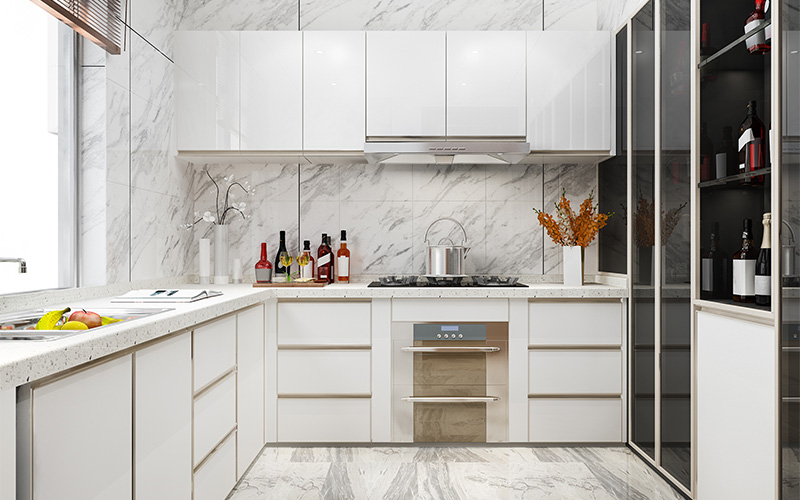
One of the biggest temptations for cats in kitchens is rummaging through cabinets and drawers. The scent of food or curiosity can lead them to explore, which may result in them accessing cleaning supplies or sharp objects.
To prevent this, consider installing child-proof latches on lower cabinets. This simple addition keeps your cat out of potentially harmful spaces. If you prefer a seamless look, there are hidden latch designs that maintain the style of your kitchen without compromising safety.
Another stylish solution is to integrate pull-out drawers with soft-close mechanisms. These are not only convenient for storing items but also prevent cats from getting their paws trapped.
ALSO READ: Highlighting the Importance of Child-Proofing Your Home
Ventilation and Cooking Safety
The smell of food cooking is irresistible to most cats, which can sometimes lead them dangerously close to hot surfaces. To prevent accidents, always use back burners when cooking if your cat has a habit of jumping onto countertops. Installing a glass stove cover when not in use can also prevent paws from getting burned.
Additionally, ensure proper ventilation in your kitchen. Cats are sensitive to strong odours and fumes. A well-ventilated kitchen reduces lingering smells and ensures that any fumes from cooking are safely removed.
Stylish Yet Safe Décor Ideas
Your kitchen doesn’t have to sacrifice style for safety. Incorporate sleek, modern elements that are also pet-friendly. For example, opt for closed shelving instead of open shelving to prevent cats from knocking over objects. You can also consider minimalist designs with fewer objects on countertops to minimise risks.
Greenery is a popular choice for kitchen décor, but remember that not all plants are cat-safe. Steer clear of lilies, ivy, and poinsettias. Instead, go for cat-friendly options like spider plants or Boston ferns.
Conclusion
Creating a stylish yet cat-safe kitchen is entirely possible with a few well-thought-out changes. By understanding the risks and designing spaces that cater to your cat’s curiosity, you can enjoy a harmonious kitchen environment that is both beautiful and secure.
If you want to explore more design tips for pet-friendly homes, visit Living Comforts for the latest updates and inspiration.
