
Renovating your home in Singapore doesn’t have to be overwhelming when you plan with intention. The most successful projects begin long before hacking starts. They begin with a clear reading of your floor plan, realistic milestones, and an honest budget that protects what you’ll touch every day.
This guide walks you through each stage of a house renovation so you can move from sketches to handover with less stress and more confidence.
Understanding Singaporean Homes
Every building type sets rules that shape design, costing, and scheduling, so decode your bones before you choose finishes. In most HDB flats, wet areas are fixed, structural walls can’t be hacked, and bedroom footprints demand millimetre-level planning. This makes vertical storage and right-sized furniture the backbone of a house renovation in public housing.
Condo layouts are diverse and often brighter, but MCST by-laws govern noise hours, wet work, and façade changes, which affect your calendar and the order in which trades can move. A landed house unlocks bigger moves with openings, skylights, and re-worked stairs, yet requires discipline around waterproofing, drainage, and cross-ventilation. It becomes a small ecosystem that needs a coherent plan much earlier in a house renovation.
Map constraints first with structural walls, risers, window placements, ceiling heights, and trunking runs. Then overlay your wish list. When the rules are known, the design brief becomes clearer, and your house renovation shifts from guesswork to grounded decisions.
What Most Homeowners Want
A calm house renovation plan transforms chaos into steps you can follow. That plan frames why you’re renovating, how you’ll sequence the trades, where you’ll spend, and which decisions must be locked early. A carefully staged house renovation helps you resist last-minute splurges, keeps momentum when shipping wobbles, and gives you a home that fits your life rather than the latest trend.
Translate each desire into a measurable outcome so choices get simple. It helps to write a short narrative for each room about how you want it to feel and function. When selections are tested against that narrative, you stop over-decorating and start solving. That shift is the most reliable way to steer a house renovation away from trend chasing and towards timeless ease.
Why Should You Budget Smarter
A house renovation budget is a strategy rather than a spreadsheet, and the strategy must be felt in everyday touchpoints. Spend on what you touch constantly and on systems that fail expensively if done poorly, such as waterproofing and electrics. These are the places where a house renovation either pays you back or punishes you later.
Save on switch plates you can swap, statement lights you can rotate, decorative hardware you can replace, and loose furniture you can upgrade as needs change. Break the budget into room and trade packages so you can value-engineer one element without unravelling the whole house renovation. Hold a contingency of 10–15% for surprises behind walls, and lock long-lead selections early to avoid costly re-orders.
The Psychology of Colour and Light in Renovated Spaces
Colour and light control mood, depth, and attention, so treat them as architecture rather than cosmetics. Low-saturation hues visually expand compact rooms, while warm artificial light after sunset supports rest. This circadian awareness is an easy win in a house renovation where better sleep is a headline goal.
Plan light as a hierarchy: ambient for navigation, task for precision, and accent for depth and delight. A softer wall colour in open plans can unite zones and calm busy sightlines, while reflective surfaces bounce daylight deeper into the plan. Daylight control matters too. Using sheers to tame glare, blackout to protect sleep, and layered treatments for flexibility earn their keep in a house renovation.
Hacks That Still Look Luxe
You don’t need a wholesale reconfiguration to gain usable space, as micro-moves often return the biggest value. Pocket or barn doors free swing clearances, a half-height wall opens a galley kitchen to conversation without sacrificing zoning, and a deeper window ledge doubles as a plant shelf or bench. These are the kinds of strategic edits that power a house renovation in compact homes.
Keep wet zones compact to reduce pipe runs and cost, and respect structural lines to avoid heavy steelwork. When hacking is limited, furniture and lighting do the heavy lifting: coherent sightlines, right-sized pieces, and consistent heights reduce visual noise so a house renovation feels bigger without adding square footage.
Choose slim silhouettes with raised legs, specify storage that doubles as display, and keep materials consistent for calm continuity. Dividers that filter zones without closing rooms are a staple of a compact house renovation.
A few multi-use heroes change the game: bench-storage along windows, nesting tables that expand for guests, and wall-hung desks that fold away. These pieces support work, play, and rest within the same footprint, and they’re the kind of adaptable choices that make a house renovation feel future-ready.
Luxury is a feeling, not a price tag. Balanced proportions, breathable textiles, and dim-to-warm lighting beat flashy fittings every time. Pick one statement material per room and let quieter companions do the heavy lifting. With paint refreshes, hardware swaps, and layered curtains, rooms can leap forward without demolishing a house renovation budget.
Your Pre-Renovation Checklist and Timeline
Rushing is the most expensive mistake. A careful house renovation moves through structure and services first, then floors and walls, then carpentry and paint, then fixtures, then styling. Over-customising every surface is another trap. The more bespoke you go, the less adaptable the home becomes when life changes shape. Build in a few flexible zones so your house renovation ages gracefully.
Clarity is protection, and clarity is paperwork. Photograph existing conditions, verify ceiling heights and trunking routes, confirm electrical loads, and agree in writing on disposal logistics and lift bookings. When the basics are documented, the site breathes easier during a house renovation.
Lock tile batch numbers, hinge types, drawer internals, and grout colours early, then catalogue them in a shared folder. Samples should be signed off in daylight to avoid surprises, and a simple matrix showing rooms versus finishes helps the team keep to the same truth in a house renovation with many moving parts.
Even tight plans meet weather, shipping delays, and sudden substitutions. Build buffers between handover and move-in, and schedule a defects period for touch-ups and adjustments. Walk the site at different times of day to catch issues with glare, echoes, or sightlines before sign-off that protect the end of a house renovation.
Tie final payments to completion milestones and keep pre-approved alternates ready for discontinued items. Having Plan B selections prevents a stall when supply shifts mid-stream, and that agility is often what keeps a house renovation on track.

DIY vs Professional
Skills and time set the boundary. Painting a wall or assembling a flat-pack can be satisfying. Waterproofing, rewiring, and gas lines are for licensed trades. A prudent house renovation hires pros for high-risk work and considers an interior designer like ID2U when space planning, documentation, and coordination will save money through avoiding mistakes.
If you DIY styling, schedule it after practical completion so it doesn’t disrupt critical paths. This simple sequencing keeps a house renovation moving while still letting you put a personal stamp on the result.
Treat your designer as a translator of habits into form. Share references with interior designers like Carpenters for mood rather than imitation, and walk them through routines in real detail so drawings reflect life. A collaborative house renovation sets guardrails early: budget ceilings, material preferences, and non-negotiables that anchor the brief.
Ask for two or three options per decision with interior design companies such as Fineline Design, then commit promptly to protect timelines. Staying available for quick approvals is an underrated way to keep a house renovation humming along.
Room-by-Room Flow
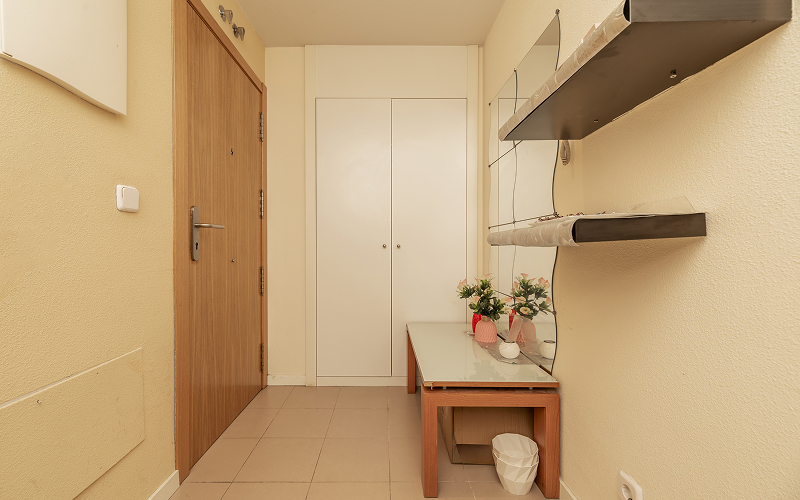
Good homes choreograph movement so the day feels friction-free. Aim to trap clutter and create a quick launchpad for exits on your entryway. A narrow console with drawers for post and chargers sits under a mirror for last checks, and a bench with hidden storage handles shoes and umbrellas. This tidy threshold sets the tone for a house renovation that respects routine.
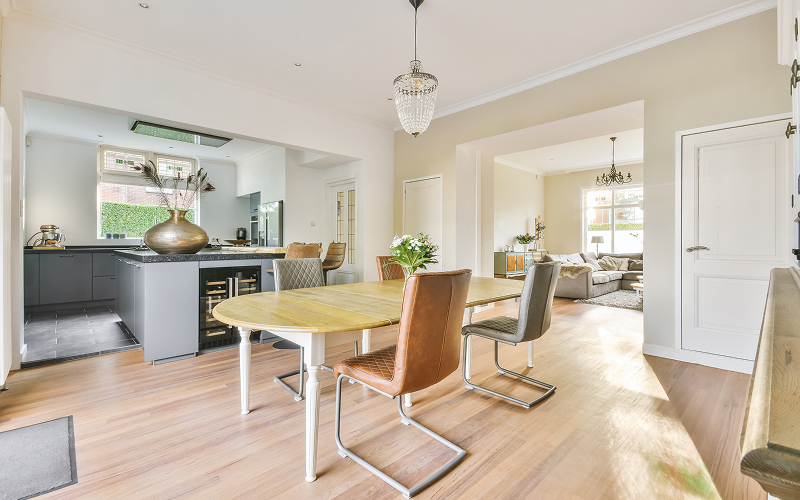
Keep furniture light on its feet in your living room. Raised-leg sofas, nesting tables, and a dining table that expands for guests make the room adaptable. A muted palette links zones while a single statement pendant adds punctuation after a house renovation.
Prioritise workflow over wow in your kitchen area. A resilient worktop, deep drawers on soft-close runners, and task lights under cabinets do more than showpieces. This is where a house renovation repays you three times a day.
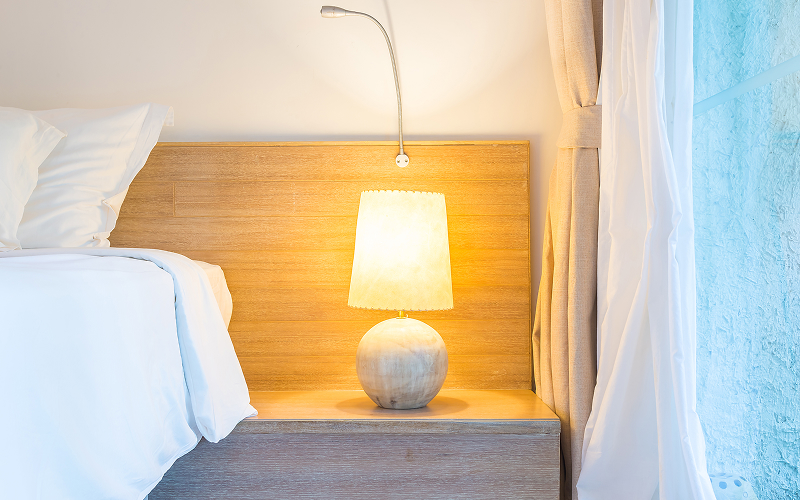
Centre sleeps in the bedroom. Blackout where needed, dimmable bedside lights, breathable linens, and quiet storage build a cocoon. A clutter-free nightstand helps your brain switch off, which is a subtle but profound win for a house renovation. If space is tight, a wall-hung desk and a compact task lamp for your study nook can deliver a genuine workspace. A wire-grid organiser keeps surfaces clear, so a house renovation supports focus as well as rest.
Underfoot safety beats shiny tile in bathrooms. Choose non-slip finishes, plan to fall towards a linear drain, and install warm, even lighting at mirror height; good waterproofing is the unglamorous hero of a house renovation in the tropics.
As plans open up, remember acoustics. Soft furnishings, heavier curtains, and door seals matter if you want silence in bedrooms after a lively evening; that foresight is a silent win of a thoughtful house renovation.
LEARN MORE: Stylish House Renovation Ideas in Singapore for Every Room, Budget, and Lifestyle

How To Not Overlook Ventilation and Airflow
Comfort is more than temperature. It’s air that moves and moisture that leaves. Cross-breezes, ceiling fans, and trickle vents ease humidity, while bathroom exhausts and kitchen hoods remove moisture and odours at the source. These are small systems with big effects in a house renovation.
Specify breathable paints and vapour-aware detailing, protect timber in wet zones with proper sealing, and treat mould prevention as design rather than aftercare. If energy bills are a concern, fans paired with shading reduce air-con hours without sacrificing comfort, and are quiet and efficient, which adds value after a house renovation.
Visual Harmony and Finishing Touches
Rooms that work together feel bigger than the sum of their parts. Repeat timber tones, echo metal finishes, and keep walls within a friendly family of colours so sightlines stay calm. Hold contrast for focal moments and let everyday surfaces recede. This cue-and-quiet rhythm is what makes a house renovation read as composed rather than crowded.
Harmony doesn’t mean sameness. It means the story reads clearly from space to space, so you can update accents over the years without re-painting your way through the entire house renovation again.
Adjust lamp temperatures, add door seals, style shelves lightly, and edit once more before moving in. Restraint lets the architecture breathe. Start with textiles that invite touch, plants that soften corners, and artwork hung at eye level. This is where a house renovation turns into a home.
Empty space is a breathing room, and in the future, you will be glad you left it. Live in the home for a month before buying more, so real habits guide what still needs to be added, making a house renovation more durable in spirit as well as in structure.
The end goal is a home that unfurls easily every day with light where you need it, storage where mess begins, durable finishes where you work, and quiet where you rest. A well-run house renovation creates this feeling through dozens of small, wise choices layered together.
Sustainability, Maintenance, and Living with Your Choices
Sustainability begins with buying less but better. Durable materials, repairable hardware, and finishes that can be refreshed extend the life of a house renovation beyond fashion cycles.
Ventilation strategies that reduce air-con hours, water-saving tapware that still feels good, and low-VOC paints protect health along with budgets. These gentle decisions accumulate into comfort you can feel every day.
Create a simple care calendar: grout sealing, filter changes, timber oiling, and fan balancing. This light maintenance holds the line on ageing, so your house renovation looks fresh without repeated overhauls.
READ MORE: An Eco-Friendly HDB Renovation Guide in Singapore Made Simple
Plan with Intention, Live with Ease
A renovation is a design project, a logistics puzzle, and an emotional journey in one. When you set goals around daily life, budget where it counts, and sequence the work sensibly, your home repays you with clarity and calm. A well-run house renovation supports through storage that earns its keep, light that flatters, materials that age well, and rooms that welcome you back, every single day. Build the foundation slowly, enjoy the details deliberately, and you’ll create a home that fits your life. That’s the quiet luxury of a measured house renovation, and it’s within reach when you plan with intention.
Ready to turn plans into a space you love? Explore Living Comforts for room-by-room inspiration that guides your house renovation from sketch to sanctuary.
