
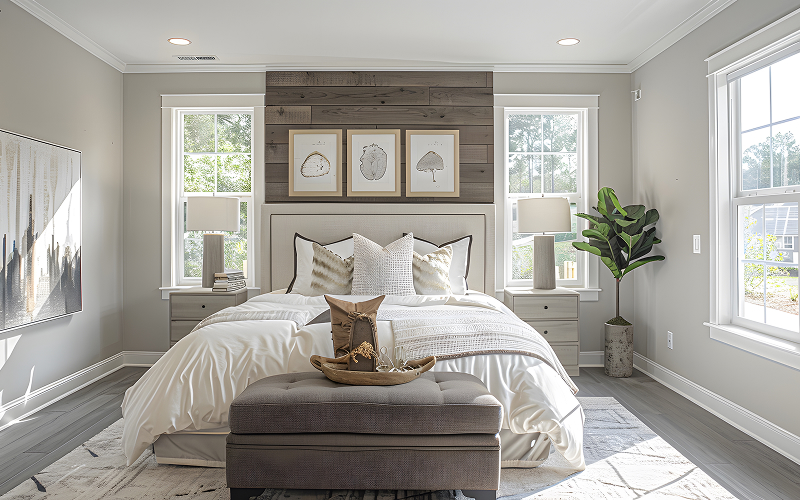
A master bedroom should feel calm, functional, and easy to keep tidy, even in a compact flat. When drawers collide with doors and harsh light hits tired eyes, sleep suffers, and mornings drag. This buyer-focused guide turns shopping into a checklist that respects space, delivery limits, and daily habits. You will find essentials that work hard in tight footprints: storage beds with sensible clearances, fitted wardrobes that actually open, blackout layers that block dawn, acoustic textiles that hush echo, layered lighting that protects tired eyes, smart switches that simplify routine, considered bedside charging, cable management that removes visual noise, and low-profile fans for quiet comfort. Throughout, we anchor choices to the practical realities of lift sizes, corridor turns, and skirting that steals precious millimetres. Use this list as your starting point for master bedroom design HDB planning, so money goes to pieces that solve real problems rather than shiny extras.
1. Storage Beds That Actually Fit (And Open)
The first purchase defines the rest. Measure the width for side tables, the swing of wardrobe doors, and the opening arc of a lift-up base. Gas-lift ottoman frames deliver deep storage without visible drawers, which helps in narrow rooms. If your side clearances are tight, choose full-lift mechanisms rather than end drawers that clash with walls. Check the lift direction against your preferred standing side so changing sheets is painless. Confirm packed dimensions and lift car limits before you pay; split bases help inside small passenger lifts. A good frame turns master bedroom design HDB layouts into tidy, breathable spaces because bedding, luggage, and seasonal clothes all disappear beneath a level mattress.
2. Fitted Wardrobes With Honest Internal Planning
A handsome three-door shell is useless if the inside is guesswork. Start with your real inventory: full-length hang, half-hang for shirts, folded stacks for knits, and shallow trays for watches and lenses. Sliding doors save the bedside clearance, but reduce access width; hinged doors need space, yet show the whole compartment. Standard internal depth ranges from 55–60 cm; anything shallower bends hangers. Add a motion strip or toe-kick light for midnight searches. Map a chest-height “everyday shelf” where keys and glasses land, so night clutter never spills onto the side table. Pick durable boards and soft-close hardware to avoid creaks and bounce in tight master bedroom design HDB corridors.
3. Blackout Layers That Work Beyond The Showroom
True darkness needs layering, not one heavy curtain. Combine a snug, track-mounted blackout with side returns that hug the wall, then dress the room with lined drapes for softness. If the window sits behind the headboard, a top pelmet stops light spill from the track. Pair blackouts with day sheers so you still enjoy privacy and a gentle glow when blinds are open. Choose low-profile tracks that clear nearby wardrobes and fans. Test sample swatches against morning sun, because some “blackout” fabrics still leak pinpricks. Getting this right keeps the circadian rhythm steady and makes master bedroom design decisions feel measured rather than hasty.
4. Acoustic Textiles For Quieter Sleep
Small rooms suffer from sound splashing off glass and wardrobe doors. Add a dense rug large enough to reach under the first third of the bed; that anchors the layout and absorbs footfall at the same time. A padded, fabric headboard shortens flutter echo at talking height. Lined curtains over blackout tracks reduce street noise and help bedtime voices relax. Felt stick-ons behind door stops and soft-close hinges tame late-night clicks. When the room decays sound softly, conversations wind down without strain, and the restful hum you want in master bedroom design HDB homes arrives without expensive panels.
LEARN MORE: How to Select the Best Fabric for Acoustic Design: Key Factors and Considerations
5. Layered Lighting That Respects Tired Eyes
Plan three layers that you can adjust with one hand. Aim the general light at walls rather than straight down on pillows to avoid glare. Use warm bedside lamps or compact wall sconces at shoulder height for wind-down reading, and add a low glow under the wardrobe for a night path. Choose bulbs around 2700–3000K with high colour rendering so fabrics read true. If the bedroom shares a wall with the living room, dimming protects sleepers from light leaks under doors. A clear plan prevents the 2 a.m. hunt for a harsh ceiling switch and turns the master bedroom design HDB lighting into a quiet ally.
6. Smart Switches And Simple Scenes You Can Use Half-Asleep
Tech only helps if it works without thinking. Set a two-button scene switch to “Wind Down” and “Morning”: one tap fades lamps and starts a gentle fan, the other lifts the general light and pauses the fan. Wireless keypads and battery dimmers avoid chasing conduits in finished walls. Keep a duplicate control by the door and a small remote near the headboard so both sides can reach. Label scenes clearly, and always keep a manual override for guests. Straightforward scenes become muscle memory, and your master bedroom design HDB routine stays consistent even when you are exhausted.
7. Bedside Charging That Clears The Mess
Phones and watches migrate toward the duvet unless you plan for them. A shallow floating shelf with an underslung puck charger keeps devices off the bed. A small catch-all tray hides rings and earbuds. Install a dual-outlet faceplate with two USB-C ports and one classic plug for legacy bricks. If drawers sit close to the wall, recess the faceplate or mount it sideways to avoid plug clashes. Tables with cable grommets and a hidden pouch prevent drape across the skirting. With charging solved at reach height, the edges of the master bedroom design HDB spaces feel calm, not crowded.
8. Cable Management For Everything Else
Televisions, purifiers, and fans bring power bricks and dangling slack. Route cords behind paint-matched trunking and fix loops with low-profile adhesive clips. A slim floor box under the bed can accept a timed socket for dehumidifiers or heated blankets. If a TV hangs opposite the bed, run a short conduit to a wardrobe side so boxes and routers hide inside. Fabric sleeves tame visible spans near the skirting. Once lines disappear, the room reads as one considered plane, and master bedroom design HDB compositions feel polished without spending extra on showy furniture.
READ MORE: 10 Affordable Shopping Tips For HDB Interior Design
9. Low-Profile Fans And Quiet Cooling
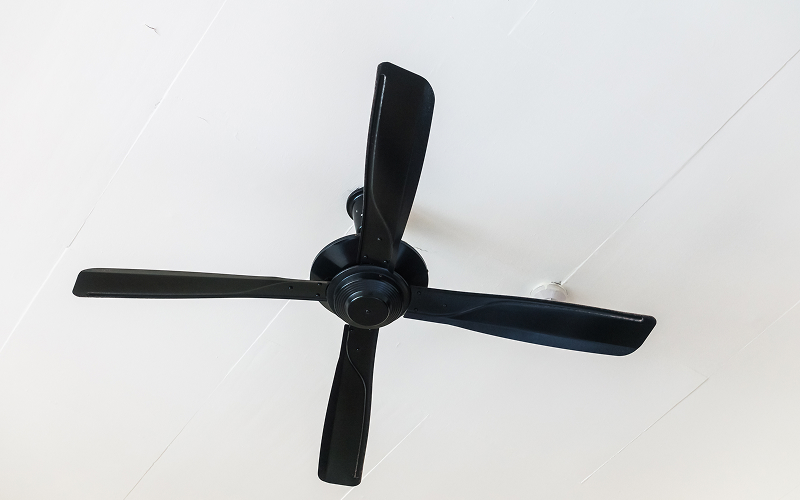
A good fan eases the reliance on air-con and supports better sleep. Choose a compact, low-profile motor with a short downrod to protect headroom. Balance the blade span against the bed width, keeping at least 30 cm from any wardrobe door edge. DC motors are quieter and thriftier than older AC types, and many include a true night mode. In warm months, set counter-clockwise for breeze; in cooler periods, a low clockwise stir evens temperature. A neutral finish disappears into the ceiling, which suits restrained master bedroom design HDB palettes.
Sizing And Delivery Checks For Compact Rooms
Measure twice, then check the lift. List corridor widths, the turning circle at your front door, and any height limits inside the lift car. Ask vendors for packed dimensions, split components, and assembly methods. Beds should state whether bases split and how gas struts ship; wardrobes should confirm if tall panels can ride the lift or require stair carry. Photograph sockets, skirting, and door stops so installers know exactly what the crew will face. In older blocks, skirting and architraves can steal a surprising amount of space; mark them on your plan. When pieces arrive, protect the flooring and agree on a staging zone in the living room. Smart logistics keep master bedroom design HDB deliveries smooth, costs predictable, and neighbours happy.
Care And Upkeep That Extend Value
Once the room is in use, small habits keep it feeling new. Rotate mattresses on the schedule your maker recommends, vacuum ottoman cavities quarterly, and wipe wardrobe tracks before dust hardens. Wash blackout linings per label and brush fabric headboards gently to lift lint. Replace puck-charger cables before they fray, and re-stick felt bumpers when they loosen. The three components that make master bedroom design HDB investments pay for themselves every night are silence, darkness, and order, all of which are maintained by these little rituals.
Budget And Phasing To Stretch Value
Big upgrades don’t have to land on the same day. Start with the pieces that change sleep and circulation first, then phase the rest as cash flow allows. A storage bed and blackout layers usually deliver the largest comfort gain, followed by a fitted wardrobe that actually opens without clashes. Lighting scenes and smart switches can arrive next because they reuse existing lamps and reduce nighttime strain. Keep a running list of exact model numbers, finishes, and packed dimensions so future buys match what you already own.
When you plan deliveries around lift availability and installer schedules, you avoid weekend premiums and rushed decisions. Agree on return windows in writing and photograph items as they arrive, so exchanges are smooth if a panel or hinge is marked. Small, staged moves protect the budget and let you test proportions in real life before committing to the final piece, which keeps a master bedroom design HDB project on course without overspending.
Conclusion
Shopping well means aligning purchases with daily life, not collecting features. Choose a storage bed that clears doors, a planned wardrobe that ends the morning shuffle, blackout layers that steady sleep, and acoustic textiles that soften echo. Add layered lighting for tired eyes, simple two-scene smart switches, tidy bedside charging and cable management, and a low-profile fan for quiet comfort. Measure routes and delivery limits before you buy, and your master bedroom design HDB project shifts from worry to a calm routine where sleep comes easier and mornings run on time.
Visit Living Comforts to book a short consultation and explore a tailored shopping list, delivery plan, and install sequence that puts master bedroom design HDB essentials in place without stress.
