
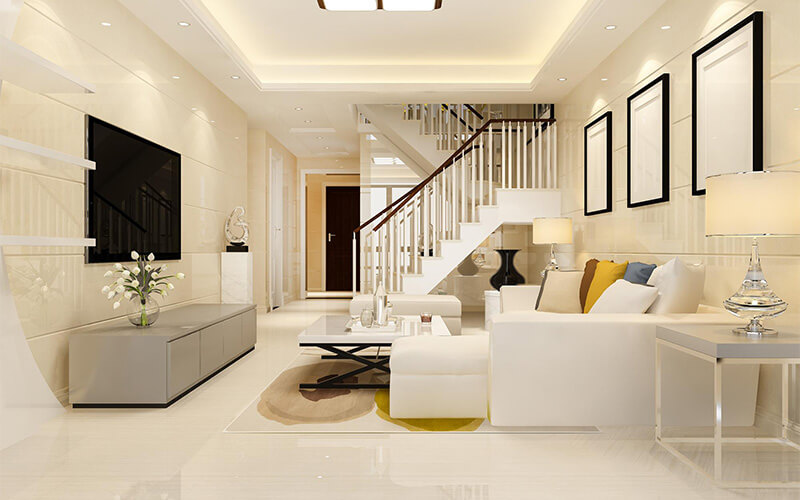
Designing a home in Singapore brings both excitement and challenge. With limited space, diverse styles, and a fast-paced lifestyle, homeowners must balance aesthetics with practicality. Many start with inspiration from magazines or social media, but smart design goes beyond looks. It requires strategic shopping, spatial planning, and material awareness.
Rather than chasing trends, buyers must focus on creating a home that fits daily life. From choosing durable finishes to selecting multifunctional furniture, every decision matters. Achieving the best interior design in Singapore means understanding what works for your space—and making every purchase count.
This guide outlines how to shop smart, plan effectively, and build a lasting interior experience that matches your vision.
Understanding Your Home’s Real Needs
Designing a home begins with understanding how space functions. Many homeowners rush into purchases without knowing what their rooms demand. Each area requires purpose. Living rooms host. Bedrooms relax. Kitchens perform. Dining areas gather. Before choosing materials, furniture, or layouts, identify the true role of each space. Without that, you risk shopping based on trends, not use.
Visualising daily movement helps narrow layout priorities to help you achieve the best interior design in Singapore suitable to your home space. Walking paths, seated angles, storage habits—all matter. Buying furniture too big or too small disrupts the flow. Measuring space before any purchase ensures a better outcome. Sketch your layout. Factor in natural light and electrical points. Knowing your starting point keeps ideas practical and grounded.
Establishing needs first avoids buying for show. Smart shoppers plan purpose, then design. That structure lays the groundwork for achieving the best interior design in Singapore—balanced, functional, and consistent.
Budgeting with Long-Term Thinking
Setting a realistic budget prevents stress and regret. Homeowners often overspend trying to match design photos seen online. Visual appeal must align with financial comfort. Divide the budget by room or feature—furniture, lighting, flooring, and wall treatment. Doing this early keeps spending clear and traceable.
Buyers who ignore long-term costs often pay more later. Prioritising durable materials saves future replacement expenses. Look for items that last beyond visual appeal. Opting for multifunctional pieces adds value. A console that stores and displays saves both space and cost—principles often applied in the best interior design in Singapore to balance aesthetics with lasting practicality.
Mixing investment and value buys works best. Spend on items used daily—beds, sofas, and dining sets. Save on decorative accents or smaller units. Good budgeting involves more than staying within limits. It involves spending smartly across years, not just months.
Shopping with clarity and intention secures the best interior design in Singapore without going overboard.
Defining a Clear Visual Theme
Jumping between styles delays decision-making. Each home benefits from having one unifying design thread. Without consistency, rooms clash and confuse. Picking too many colours, textures, or furniture styles weakens the flow.
Decide early on a style direction. Minimalist. Scandinavian. Modern rustic. Japanese zen. Mid-century. Once the choice becomes clear, each purchase supports the whole. Pick a dominant colour palette. Stick to a few textures—wood, metal, stone, glass. Avoid impulse buys that disrupt cohesion. The key to achieving the best interior design in Singapore lies in determining the right visual style that compliments your space and lifestyle.
Create a digital or printed mood board. Collect photos, swatches, and layout samples. Refer back before making new purchases. Doing so protects your progress. No space looks expensive if it feels disjointed.
Committing to one theme elevates the chance of achieving the best interior design in Singapore. Smart styling involves control, not over-choice.
Measuring Furniture Right Before Buying
Many homeowners fall into a trap—buying furniture that doesn’t fit. Dimensions on a website are often misleading. Proportions appear smaller online than they do in person. Shoppers who ignore this end up with bulky sofas or oversized dining tables that overcrowd rooms.
Use a measuring tape. Compare item dimensions to room size. Mark spaces with masking tape to test fit. Consider doorways and lift access. Some pieces won’t fit during delivery.
Singapore homes often have limited square footage. Every item must match the scale. Wall-mounted options, foldables, and vertical storage help save space. Prioritise furniture with clear lines and flexible use.
Fitting items correctly means everything works together. Proper sizing keeps the design tight and thoughtful. That accuracy reflects the best interior design in Singapore—not just visually, but spatially.
Shopping in Layers: Prioritising Big to Small
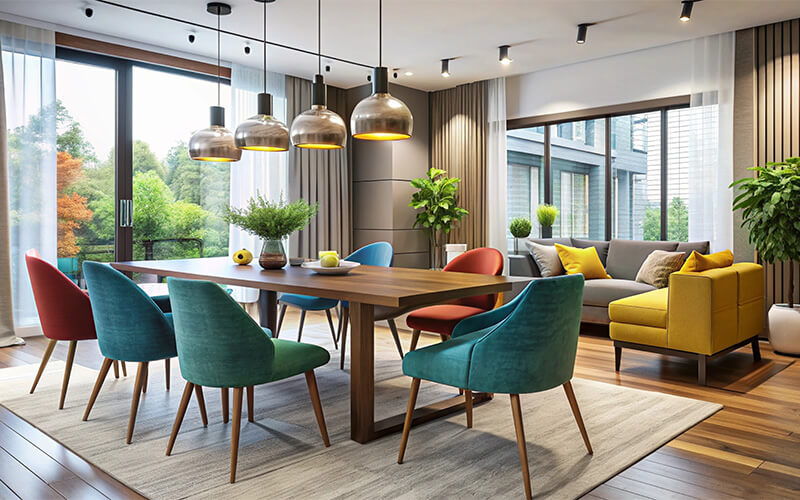
Jumping into accessories first leads to mistakes. Building interiors in stages works better. Big items first—sofa, bedframe, table, wardrobe. These form the structural core of the room. Once anchored, you can shop for decor to match the foundation.
Start with primary colours. Then layer secondary tones. Last, include accents like cushions, art, or throws. Buy rugs after furniture to match shape and scale. Avoid buying in reverse—small too big.
Layered shopping gives flexibility. If your plan shifts midway, small accents are easier to replace. Making big purchases early also defines budget stretches. You see what remains before splurging on non-essentials.
Structured planning delivers more consistent outcomes. That approach brings you closer to achieving the best interior design in Singapore with clarity and confidence.
ALSO READ: Second-Hand Charm: Smart Tips For Buying Pre-Loved Furniture
Choosing Materials That Suit Singapore’s Climate
Singapore’s tropical climate impacts interior design decisions. Humidity, heat, and rain affect furniture wear. Shoppers who ignore this risk faster damage. Wood swells. Leather cracks. Fabric fades. Shopping smart means selecting climate-suited materials.
Opt for solid wood or treated veneer for furniture. Avoid MDF unless sealed. Choose breathable fabrics like cotton or linen for cushions. Use UV-protected curtains to reduce heat and sunlight damage. Faux leather resists peeling better than untreated leather in humid air.
Look for anti-rust finishes for metal fixtures. Bathrooms and kitchens require high moisture resistance. Tiles, quartz, and marine-grade laminates hold better under pressure. In bedrooms, anti-dust mite upholstery helps with allergies in tropical conditions.
Material performance contributes as much to aesthetics as design. Pairing climate awareness with design discipline brings you one step closer to the best interior design in Singapore that lasts.
Making Use of Digital Tools Before Shopping
Digital planning tools speed up decisions and prevent errors. Homeowners now access room layout apps, colour palette testers, and virtual furniture placement platforms. These help preview combinations before purchase.
Use free or paid interior planning software to map out your space. Upload floor dimensions and try different layouts. Test if the furniture fits. Check flow and spacing. Some platforms also simulate daylight angles, letting you see how spaces light up naturally.
Tools help avoid guesswork. You see how chosen items perform together. They cut down on wrong buys. Photos from online shops often differ from reality. Digital previews create clarity.
Integrating tech with traditional taste sharpens design instinct. Efficient planning means fewer returns, less waste, and a smoother path to creating the best interior design in Singapore.
Mixing Style with Storage Function
Storage matters in Singapore homes. Most spaces must serve multiple functions. Buyers who prioritise aesthetics over practicality miss this. Without planning, clutter builds up fast.
Pick furniture with dual use. Beds with drawers. Ottomans with lids. Benches with inner shelves. Coffee tables with compartments. Walls hold potential. Add floating shelves or modular wall racks. Choose vertical storage to save ground space—a strategy often seen in the best interior design in Singapore, where space efficiency meets style.
Avoid bulky storage units unless necessary. Use narrow-depth cabinets and flexible carts. Keep hallways and entry points open. Storage must support—not overtake—the design.
Combining looks with purpose results in cleaner lines and calmer rooms. Functional living supports daily rhythm. That combination defines the best interior design in Singapore—where beauty serves movement, not blocks it.
Checking Delivery, Return, and Warranty Policies
Smart shoppers read the fine print. Return rules, warranty coverage, and delivery fees change outcomes. Many sellers charge extra for delivery, assembly, or returns. Some limit exchange windows. Hidden costs inflate budgets quickly.
Always ask about:
- Delivery timelines and surcharges
- Assembly assistance
- Warranty periods and coverage
- Return conditions and processing steps
Online platforms often list policies. Save screenshots or emails for reference. For larger pieces, ask about replacements in case of defects. Refusing damaged items upon arrival protects you legally.
A clear understanding of post-sale processes ensures a smoother experience. Those who shop with awareness avoid stress later. That awareness shapes better interior planning and supports the best interior design in Singapore not only in look but also in logistics.
Planning for Future Updates and Flexibility
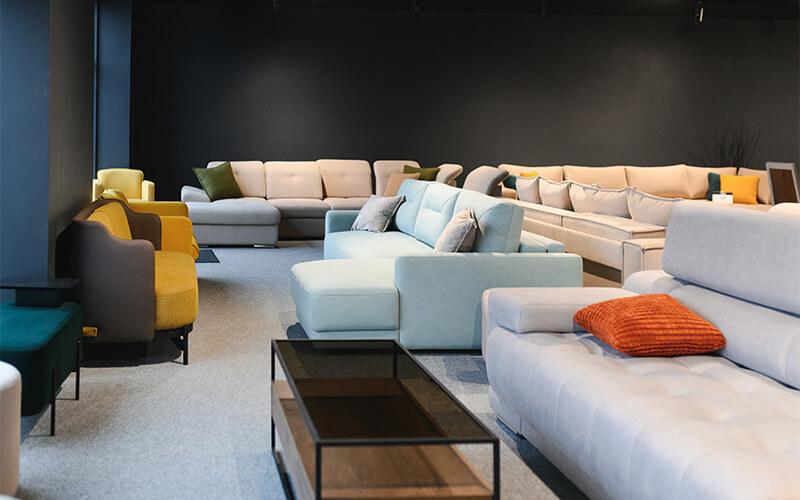
Design evolves with lifestyle. Children grow. Working habits shift. New hobbies emerge. Buying items that stay flexible helps you adapt. Smart shoppers think ahead, especially when working with the best interior design in Singapore, where functionality and foresight come together to create spaces that grow with you.
Modular furniture gives options. Sectional sofas shift shape. Extendable tables host guests or stay compact. Wall-mounted desks convert rooms as needed. Avoid overly custom-built items unless long-term needs stay fixed.
Choose neutral foundations for wall colour, flooring, or large furniture. These adapt to changes in accent decor. You update easily without tearing down the design.
Planning a design that grows with you creates longevity. Flexibility saves money and reduces waste. That sustainable thinking plays a role in delivering the best interior design in Singapore—built not just for now, but for tomorrow.
ALSO READ: What To Look For When Hiring An Industrial Interior Designer For Your Home
Final Thoughts and Smart Shopping Recap
Achieving standout home design in Singapore requires more than taste. It involves careful choices, spatial awareness, budget control, and material compatibility. Every decision builds the bigger picture.
Focus on function before form. Commit to a style. Measure right. Prioritise larger pieces. Plan by layer. Embrace tools. Value storage. Read policy. Build future-proof design. Those steps ensure your home reflects purpose and personality—within budget and lifestyle needs.
Each space deserves clarity, cohesion, and comfort. Smart shopping transforms good design into great living.
Explore more room ideas, decor and design blogs, and life-at-home tips by visiting Living Comforts—your inspiration hub for achieving the best interior design in Singapore.
