
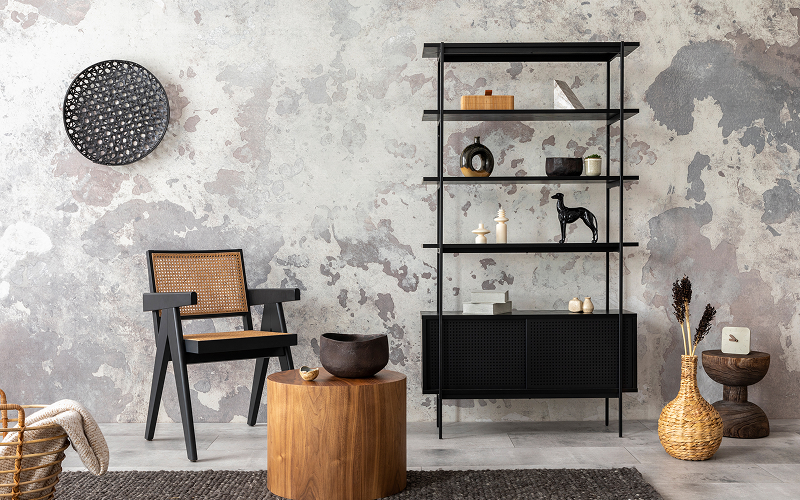
Industrial style interiors are not about chasing trends; they are about celebrating honesty in design. Stripped back, raw, and unapologetically practical, this style borrows heavily from warehouses, factories, and workshops. Many assume that achieving this look requires shopping at high-end furniture boutiques, but the truth is that some of the best pieces can be found in ordinary hardware stores. These outlets, often overlooked, are filled with the exact materials and fittings that embody the essence of industrial design. From exposed pipes to wire mesh, the aisles of a hardware store offer ready-made solutions for anyone looking to create a space with grit and character.
1. Exposed Metal Fixtures That Do More Than Support
Walk down the plumbing aisle of a hardware store, and you are essentially looking at the skeleton of an industrial style interior. Galvanised pipes, iron brackets, and steel fittings are not just functional—they are design elements in their own right. A simple combination of pipes and timber can form a shelf system that looks like it belongs in a converted warehouse. Blackened iron brackets add weight and presence, even when supporting nothing more than a wooden plank. Unlike polished furniture shop replicas, hardware-store metals carry the roughness and utility that give industrial spaces their authenticity.
ALSO READ: Your Guide to Shopping for Industrial Style Furniture in Singapore
2. Concrete and Cement for Texture and Truth
Concrete has become almost synonymous with the industrial look, and for good reason. Hardware stores sell ready-mix cement, skim coats, and finishing sealants that allow homeowners to create surfaces with genuine raw appeal. A concrete floor instantly sets the tone of a space: unpolished yet purposeful. Even smaller touches, such as cement board wall panels, can transform a plain interior into something that feels closer to an old workshop or warehouse. The material is tough, timeless, and far less expensive than many decorative alternatives. Rather than pretending to be something else, concrete proudly shows its true form, which is the very heart of the industrial aesthetic.
3. Lighting with Workshop DNA
Lighting makes or breaks an interior style, and industrial spaces thrive on fixtures that look like they were salvaged from a workshop floor. Hardware stores are full of such options: cage lamps, track lights, and heavy-duty pendants originally intended for garages or outdoor areas. Their robust construction and no-frills design make them perfect for interiors that favour utility over decoration. Exposed bulbs add a raw glow, while matte black finishes frame them with precision. Adjustable track systems also provide directional light, which works well for highlighting textured walls or statement furniture. The light itself, in industrial style interiors, becomes part of the architecture, rather than a hidden afterthought.
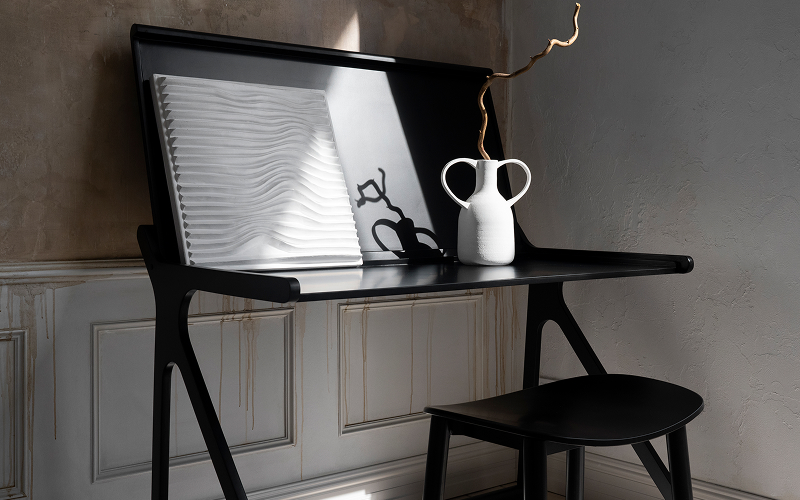
4. Timber That Doesn’t Hide Its Flaws
Industrial interiors are often accused of being cold, but this is where timber comes in to restore balance. Hardware stores offer planks and plywood that are far from the polished perfection of luxury furniture showrooms. The imperfections, like knots, uneven tones, and rough textures, are what make them valuable in this style. A rough wooden dining table paired with steel legs is both functional and visually striking. Leaving the grain visible reinforces the idea that materials should be celebrated, not disguised. The mix of warm, imperfect timber and hard metal structures is one of the most recognisable features of an industrial style interior.
ALSO READ: 10 Must-Have Pieces You Need To Get For A Cosy Industrial Interior Design Vibe
5. Wire Mesh and Racking for Practical Storage
Warehouses inspired the industrial aesthetic, and warehouse materials naturally fit into interiors. Wire mesh, metal racking, and perforated steel sheets, often seen as purely functional, can be repurposed as shelving, partitions, or even doors for cabinets. Hardware stores carry these in abundance, designed for strength but ideal for design experimentation. A mesh partition can divide open spaces without blocking light, while perforated sheets can become an industrial take on a cupboard door. These elements are not about ornamentation; they are about practicality reimagined as design.
6. Floors That Anchor the Space
Flooring is often treated as background, but in an industrial style interior, it plays a leading role. Hardware stores offer epoxy coatings, anti-slip floor paints, and vinyl sheets that mimic concrete. Epoxy, long used in workshops, delivers both durability and shine, making it suitable for homes aiming for the raw factory feel. It is also easy to maintain, resisting stains and heavy use. Choosing such flooring isn’t about cutting corners; it’s about selecting materials that align with the philosophy of the style: strong, honest, and long-lasting.
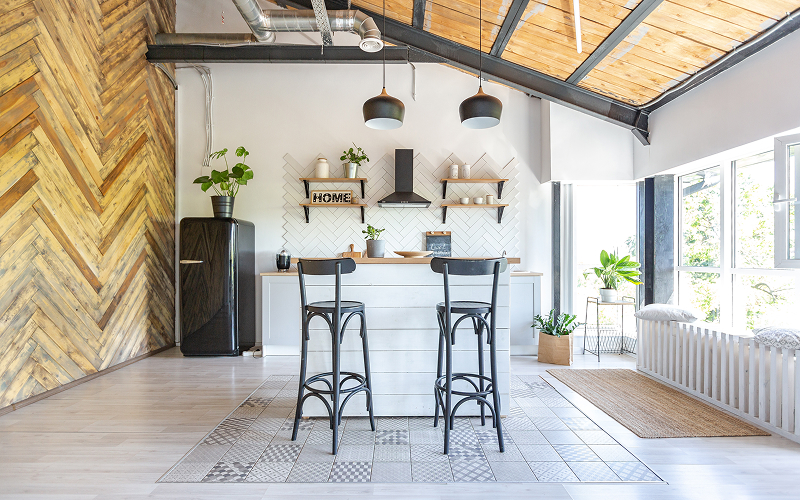
7. Details That Make the Difference
Industrial style interiors don’t just live in the big gestures; they come alive in the details. Heavy-duty door handles, exposed hinges, and matte black hooks are all items that can be found in hardware aisles and swapped into a home with little effort. Even simple objects like pulleys, clamps, or chains can be repurposed into décor pieces, adding subtle nods to the industrial theme. These details may not scream for attention, but together they reinforce the overall look, ensuring the space feels consistent and authentic.
ALSO READ: Why Industrial Interior Decor Is More Than Just the Aesthetics
8. Embracing Utility as Design
Perhaps the most overlooked industrial must-have from hardware stores is not a product but an approach. Safety gear and functional elements, like fire extinguishers, conduit boxes, and metal switch plates, can be used as visible design features rather than hidden necessities. Leaving them exposed embraces honesty, showing the raw mechanics of how the space operates. This approach is the opposite of decorative design; it is about celebrating function as form.
Conclusion
An industrial style interior is less about buying furniture that imitates the look and more about sourcing the real materials that inspired it. Hardware stores, filled with concrete mixes, metal pipes, epoxy coatings, and heavy-duty fittings, provide the exact building blocks needed to achieve this aesthetic. Homeowners and designers can create spaces that are not only visually striking but also rooted in practicality by drawing from these raw and authentic materials. The best part? Every trip to the hardware store opens up possibilities to reimagine ordinary items as central design features.
Visit Living Comforts and never miss out on home ideas that make style both accessible and real.
