
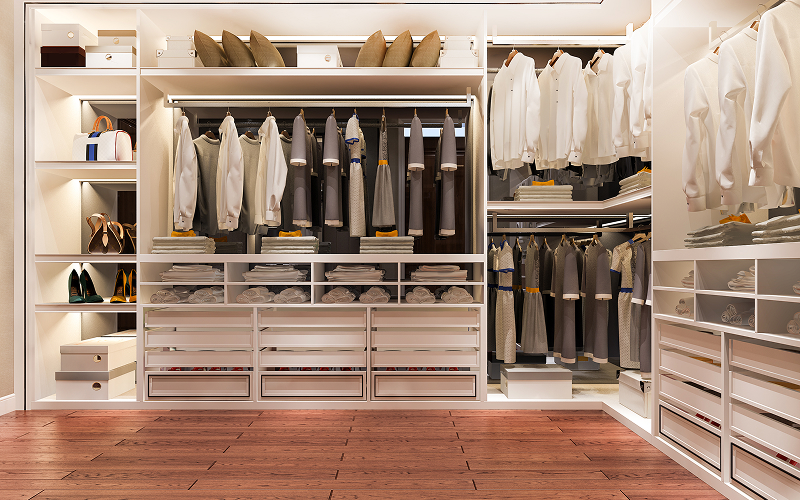
A walk-in wardrobe feels like an indulgence reserved for larger homes, at least for homeowners in Singapore. In compact HDB flats, space is limited, and dedicating a corner to clothing and accessories might seem unrealistic. Yet with clever planning and thoughtful layouts, an HDB walk-in wardrobe design can be practical and stylish, turning a small space into a daily luxury. From vertical storage and sliding doors to modular systems and dressing zones, these ideas show how to balance comfort, organisation, and style for your HDB walk-in wardrobe.
1. Make Use of Spare Rooms or Alcoves
One of the most practical ways to create an HDB walk-in wardrobe in a flat is by converting a spare bedroom, study, or unused alcove. Even small areas can become purposeful with customised shelving and rails. By dedicating a specific space to storage, you avoid cluttering the main bedroom with bulky freestanding wardrobes.
Alcoves or awkward corners are especially underused in many homes. With floor-to-ceiling carpentry, they can be transformed into efficient HDB walk-in wardrobe solutions. What seems like wasted space can instead become a well-organised area for clothes, shoes, and accessories.
2. Opt for Sliding Doors to Save Space
Conventional swinging doors take up floor space, which is scarce in HDB bedrooms. Sliding doors are an elegant alternative that keeps circulation clear while still offering privacy. They work particularly well in tight layouts where every centimetre counts.
For added functionality, mirrored sliding doors help reflect light, making the room feel larger while also serving as a dressing mirror. Frosted or tinted glass adds a sleek, modern element, helping the wardrobe feel integrated with the room rather than bulky.
3. Maximise Vertical Storage
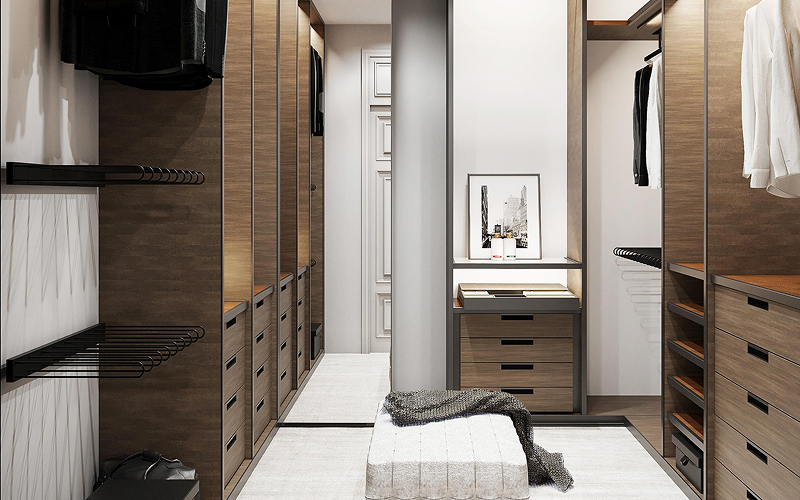
In compact flats, vertical storage is indispensable. Tall wardrobes that extend to the ceiling create room for seasonal items, luggage, or rarely used belongings at the top, while keeping everyday clothes accessible below. This ensures every inch of wall space contributes to functionality.
Adding adjustable shelves or pull-down hanging rails enhances flexibility. With smart planning, a vertical HDB walk-in wardrobe design provides ample storage without crowding the bedroom footprint.
4. Combine Open and Closed Storage
A wardrobe should balance convenience with tidiness. Open shelves and rails allow quick access to daily essentials like shirts and handbags, while closed cabinets and drawers conceal bulkier or less visually appealing items. This mix prevents the space from looking messy and overwhelming.
Glass-fronted cabinets offer another compromise. They keep clothes visible while maintaining order, creating a boutique-like effect in a compact home. This combination of open and closed elements ensures both practicality and aesthetics.
READ MORE: Chic and Practical: Building A Wardrobe That Suits Your Lifestyle
5. Use Mirrors to Enhance Space
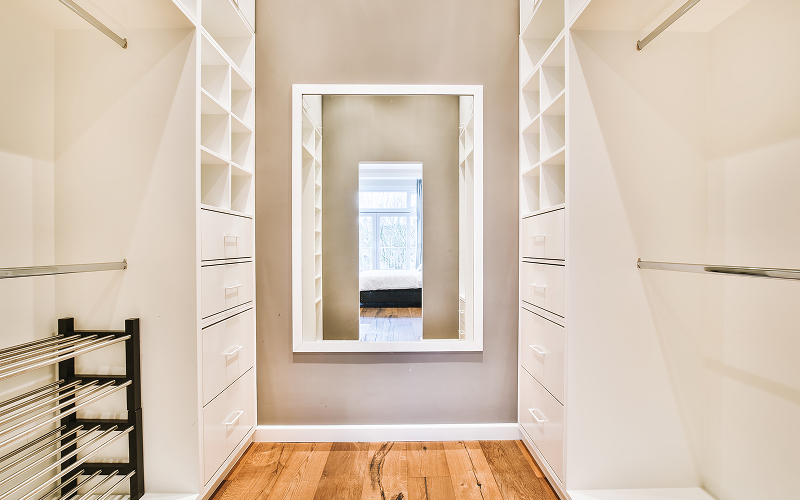
Mirrors are a simple but powerful tool for small interiors, so incorporating mirrored doors, panels, or standalone sections into an HDB walk-in wardrobe design reflects light and creates the illusion of depth.
Mirrors are also functional, allowing homeowners to try on outfits in the same space, eliminating the need for an extra dressing corner elsewhere, which is a huge benefit in compact homes.
6. Invest in Modular Wardrobe Systems
A modular wardrobe system adapts as your needs evolve. Adjustable compartments, shelving, and rods allow you to customise storage over time, whether you’re expanding a shoe collection, needing more hanging space, or simplifying as children grow up.
This flexibility makes modular systems one of the most practical HDB walk-in wardrobe ideas. They ensure the wardrobe remains relevant for years, saving homeowners from frequent renovations.
7. Add Proper Lighting for Functionality
Lighting is essential in small spaces, which can make adding one to wardrobes beneficial for the homeowner. LED strips under shelves, spotlights above, or motion-sensor lights inside drawers make it easier to see items clearly, even during early mornings or late nights.
Good lighting also elevates the atmosphere, making the wardrobe feel more inviting and luxurious, and warm tones are especially flattering, creating a space where dressing up feels enjoyable instead of rushed.
8. Create a Dressing Zone
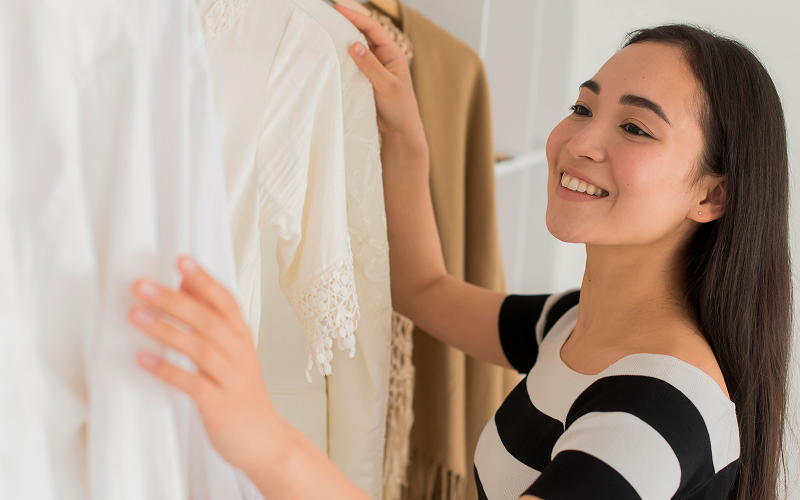
A walk-in wardrobe can double as a personal dressing space. Even in compact HDB flats, a small stool, bench, or vanity can be incorporated without overwhelming the area.
This adds functionality and comfort, allowing homeowners to dress, groom, and organise within a single zone. It makes the walk-in wardrobe feel like an extension of personal space rather than just a storage corner.
9. Keep It Minimal and Clutter-Free
The success of an HDB walk-in wardrobe layout often depends on discipline, as overstuffed racks and crowded shelves can make the space feel cramped and chaotic. Adopting a minimalist approach ensures only essentials remain, leaving the area neat and manageable.
Regular decluttering not only keeps the wardrobe functional but also enhances the overall home environment. With fewer distractions, the design highlights clean lines and thoughtful carpentry, creating a timeless look that suits modern HDB interiors.
Conclusion
A walk-in wardrobe may sound ambitious in a compact HDB flat, but with smart planning, it becomes both achievable and rewarding. From sliding doors and vertical storage to mirrors, lighting, and modular systems, these ideas maximise space while keeping the design stylish and functional. A well-designed HDB walk-in wardrobe setup elevates daily routines and adds comfort to everyday living. For homeowners in Singapore, it’s proof that small spaces can still deliver big lifestyle improvements.
Visit Living Comforts for more HDB walk-in wardrobe ideas and design a space that blends function with everyday style.
