
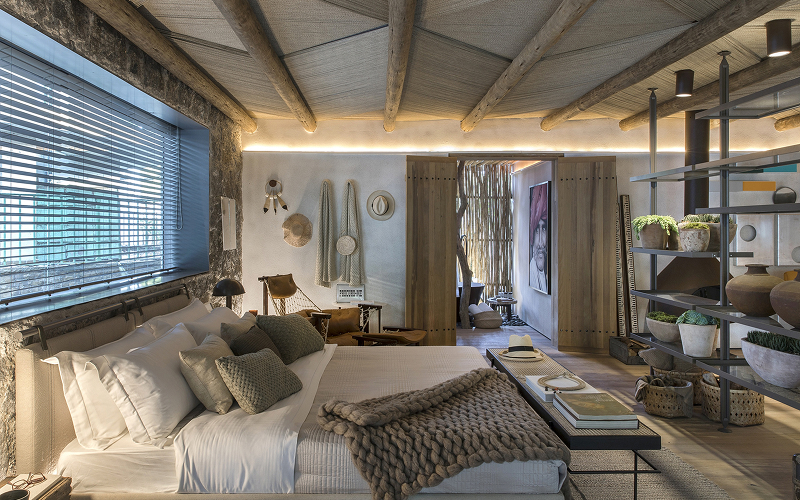
Industrial design has long captured the imagination of homeowners in Singapore. The raw, edgy appeal of exposed concrete, steel fittings, and stripped-down details makes it one of the most recognisable interior trends. But while this aesthetic thrives in loft apartments and converted warehouses, it does not always translate comfortably into an HDB bedroom. The result can sometimes feel more like a construction site than a restful sanctuary.
That is where the idea of a “warmer“ industrial interior design for an HDB bedroom comes in. It is about softening the edges without losing the character. Instead of a room that feels cold or unfinished, the goal is to create a space that still looks striking but also feels like somewhere you want to curl up at the end of the day.
What is an “Industrial Style“ Interior?
Industrial style started out as a necessity. Old factories were repurposed into homes, and instead of hiding their exposed bricks, beams, and ducts, designers chose to celebrate them. Over time, this stripped-down look became a design movement in its own right. It is now defined by muted tones, tough materials, and a raw, functional feel.
Applying industrial interior design for HDB homes means adapting those features to compact spaces. Exposed pipes might be swapped for black track lighting, and genuine brick walls often become realistic cladding or wallpaper. The essence remains the same: bold, minimal, and honest in its use of materials.
Yet, in a bedroom, especially one within the smaller confines of an HDB flat, pure industrial design can easily tip into being stark. Comfort takes a back seat if you go too heavy on grey walls, concrete textures, or metal finishes. This is where introducing warmth makes all the difference.
ALSO READ: A Brief History of Industrial Interior Design
Why is a “Warmer“Approach Necessary for Bedrooms?
Bedrooms serve a different purpose from kitchens or living rooms. They are not just functional; they are deeply personal. The atmosphere needs to support rest, privacy, and comfort. A room dominated by concrete, steel, and dark tones may look stylish, but it risks feeling cold, almost like a workspace rather than a retreat.
Adding warmth does not mean abandoning the industrial look. It means adjusting it. Warmth ensures the bedroom feels balanced, particularly in HDB flats, where space is limited and daylight may not always flood in. It makes the industrial look liveable, not just visually interesting.
Think of it as tailoring. Industrial interiors in their purest form may feel oversized or ill-suited to small bedrooms. However, by softening colours, layering textures, and adjusting lighting, you end up with a version of the style that works in an everyday compact sanctuary.

Practical Ways to Create a Warm, Industrial Style Bedroom for HDBs
Choosing a Warmer Colour Palette
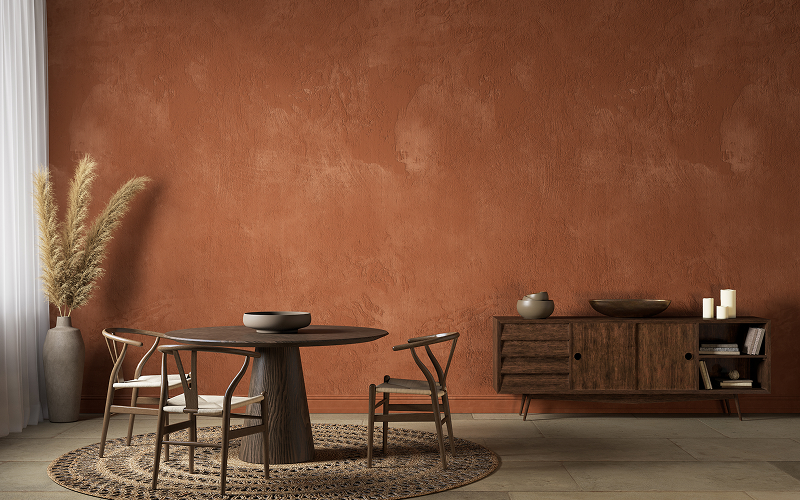
Greys, blacks, and silvers are the backbone of industrial design, but they can overwhelm a small HDB bedroom. The trick to achieving an industrial interior design for HDB bedroom is to shift the palette without losing the industrial spirit. Taupe, beige, and muted clay tones work as excellent substitutes for harsh greys. They soften the room while keeping it grounded.
Pair warm paint tones with contrasting metals or timber finishes. For example, matte black fittings set against an off-white or light taupe wall give the industrial look more depth without creating gloom. Even introducing muted olive or rust accents can bring personality while keeping the style understated.
Consider accent walls if you want something bolder. A warm terracotta or deep mustard feature wall can anchor the industrial feel while softening its edges. Paired with neutral walls, it creates focus without closing in the space.
Using Materials That Balance Raw and Warm
Materials are what make or break industrial interiors. Concrete and steel are essential, but if they dominate, the room will feel uninviting. Balance them with natural timber, rattan, or fabric.
For instance, a steel bed frame can work beautifully when paired with wooden side tables or a linen-upholstered headboard. Vinyl or laminate flooring that mimics natural grain gives warmth underfoot without requiring actual hardwood. Textured rugs, leather accents, or woven storage baskets all help soften the harder surfaces.
One clever strategy for a perfect industrial interior design for HDB bedroom is mixing finishes. Instead of an all-concrete wall, combine half-wall concrete paint with timber panelling. Instead of full steel shelving, choose a unit with steel frames but wooden surfaces. These combinations ensure the room retains industrial authenticity but avoids monotony.
Lighting for Warmth and Ambience
Lighting is perhaps the single most effective way to warm up an industrial HDB bedroom. Exposed filament bulbs, track lighting, and metal pendants are classic industrial features. But it is the choice of light temperature that shifts the mood. Swap out harsh white LEDs for warm-white bulbs that cast a softer glow.
Layering also matters when crafting an industrial interior design for HDB bedroom. A central pendant or track system sets the industrial tone, but bedside lamps with fabric or frosted shades create intimacy. Dimmable lights are worth considering if your budget allows—they let you switch between functional brightness and a softer glow for winding down.
Another underrated option is concealed LED strips. Installed under shelves or behind the headboard, they provide subtle background lighting that makes the room feel more inviting. Combined with statement fixtures, this layering creates a bedroom that feels flexible and liveable.
Furniture and Layout Choices
The industrial style champions function, and in HDB bedrooms where every square metre counts, furniture has to work hard. Oversized warehouse-inspired pieces may look authentic, but they will swamp a compact space. Stick with sleek, multifunctional furniture that keeps proportions sensible.
Warmth comes from thoughtful detailing. A steel-frame wardrobe feels softer with timber doors. A simple work desk in black metal looks less stark when paired with a cushioned chair. Keep the layout uncluttered and practical—industrial design thrives on simplicity—but don’t sacrifice comfort.
Space-saving furniture is another asset in industrial interior design for HDB bedroom. Platform beds with storage compartments, wall-mounted desks, or slimline wardrobes ensure the industrial look stays functional without eating up precious space.
ALSO READ: Why Industrial Interior Designers Should Tap Into Feng Shui Wisdom
Decorative Accents for Warmth
Accessories bring life into a style that otherwise risks being too stripped-down. Soft furnishings are key—throws, cushions, and rugs in earthy shades instantly warm up a steel-and-concrete palette.
Wall art framed in matte black can still reflect the industrial spirit, but opt for pieces with natural or muted colours. Greenery also works wonders. Even a single potted plant can cut through the harshness of concrete walls or metal shelving. Wall-mounted planters or trailing plants on shelves are practical options for HDB bedrooms with tight floor space.
Curtains are another often-overlooked detail when styling an industrial interior design for HDB bedroom. Instead of bare windows or industrial blinds, heavier fabric curtains in muted tones soften the bedroom without breaking the style. They also help with privacy and sound absorption, which are useful in HDB settings.
HDB-Specific Industrial Interior Design Tips and Limitations
Space Constraints
HDB bedrooms rarely offer expansive layouts. Large concrete walls or heavy beams, while authentic, can make a room feel boxed in. Instead, consider lighter alternatives such as concrete-effect wallpaper or laminates. These mimic the industrial look without adding visual weight.
Storage Considerations
Storage is non-negotiable in compact bedrooms. Built-in wardrobes or bed storage are often necessary. Opt for matte finishes, metal handles, or mesh inserts to keep these elements in line with industrial aesthetics. It keeps storage functional but stylistically consistent.
Consider vertical storage too. Floating shelves with steel brackets save space while staying true to your concept of industrial interior design for HDB bedroom. Adding baskets or boxes in woven textures keeps clutter out of sight without undermining the industrial scheme.
ALSO READ: What To Look For When Hiring An Industrial Interior Designer For Your Home
Compliance with HDB Renovation Guidelines
Industrial design often calls for raw brick walls or structural tweaks, but HDB guidelines set limits. You cannot strip down walls to original brickwork or remove key structural features. Instead, faux brick cladding, wall panels, or wallpapers can achieve the same look legally and cost-effectively.
Lighting modifications, such as installing heavy exposed rigs, may also need approval. Working with designers familiar with HDB restrictions ensures you avoid unnecessary complications.
Noise and Comfort Considerations
Industrial materials are often hard and reflective, which can make sound bounce around. This instance creates echoes in small bedrooms that disrupt comfort. Soft furnishings, curtains, and rugs double as sound absorbers while warming up the space. Small details like these prevent the industrial look from feeling too harsh in a compact HDB setting.
Ventilation and Airflow
Another overlooked factor in industrial interior design for HDB bedroom is airflow. The style often leans on heavy finishes, but in an HDB unit where windows are the main source of ventilation, keeping layouts open is critical. Positioning the bed to maximise cross-breeze, using lighter curtains, and avoiding overly bulky partitions ensure the bedroom remains comfortable in the city-state’s climate.
Conclusion
Industrial design has carved out its place as one of the most distinctive styles in modern interiors. However, industrial interior design for HDB bedroom needs adjustment to truly work as a liveable design choice. Homeowners can create spaces that are both stylish and restful by introducing warmth through colour, materials, lighting, furniture, and accents.
The key is balance: keeping the raw, utilitarian character that defines industrial interiors while layering in comfort. Remember, with careful attention to HDB-specific limitations and practical needs, it is entirely possible to achieve an industrial look that feels edgy yet cosy. Ultimately, a warmer approach ensures that industrial interior design for HDB bedrooms becomes more than just an aesthetic—it becomes a home.
Visit Living Comforts and explore practical ideas and guides to help you adapt trends like industrial interior design into everyday living.
