
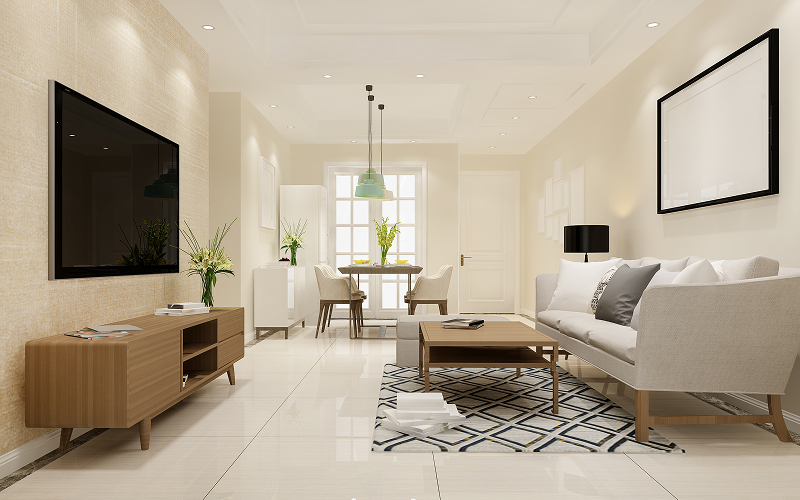
When it comes to creating a beautiful and functional home or workspace, understanding what defines a good interior design in Singapore is crucial. In a city where living spaces are often compact and urban lifestyles demand convenience, interior design is more than just aesthetics—it is a strategic balance of form, function, and personal expression. Whether you’re designing a new BTO flat or upgrading a resale HDB, knowing what makes an interior design truly effective can help you make informed decisions for long-term satisfaction and value.
1. Functionality That Matches Lifestyle
The first defining trait of good interior design in Singapore is its functionality. It should be tailored to meet the unique lifestyle and routines of the people who inhabit the space. In many Singaporean households, limited square footage means every inch counts. Therefore, multipurpose furniture, efficient layouts, and smart storage solutions are essential. A well-designed home should enhance daily living, making it easier, more organised, and more comfortable.
For example, an open-concept kitchen and dining area might suit young couples who enjoy hosting friends, while a closed kitchen may be preferred by families who do a lot of cooking. Similarly, a dedicated work-from-home space with adequate lighting and minimal distractions is now a common feature in many designs. In each scenario, a good interior design in Singapore aligns the physical environment with lifestyle needs.
2. Aesthetic Harmony And Visual Appeal
While functionality is key, aesthetics remain an important component of a good interior design in Singapore. The best designs achieve a balance between personal taste and timeless visual appeal. From Scandinavian-inspired minimalism to contemporary Asian fusion, the chosen design language should be coherent across all spaces. This includes consistent use of colours, textures, materials, and furniture styles.
Aesthetic harmony does not mean bland uniformity. It allows room for subtle contrasts, such as mixing wood tones with industrial accents or blending traditional Peranakan elements with modern finishes. This visual narrative should feel intentional and cohesive, drawing the eye naturally from one space to another. Good interior design in Singapore reflects the homeowner’s identity without overwhelming the senses.
3. Space Optimisation And Practical Layout
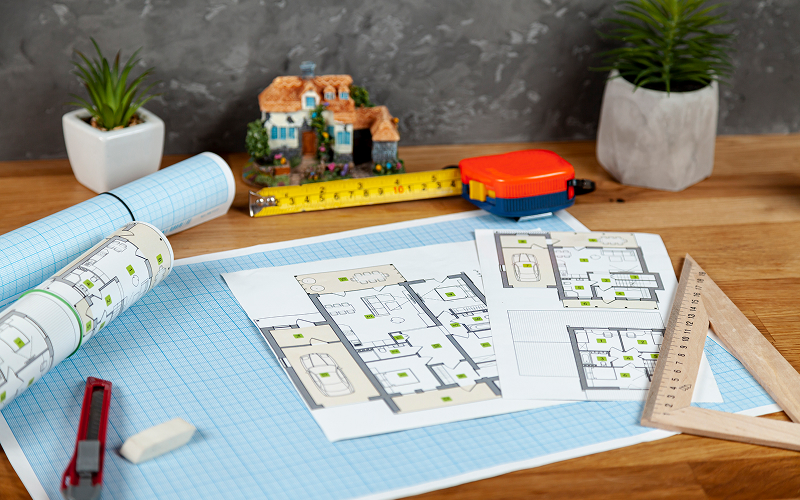
In land-scarce Singapore, space optimisation is a non-negotiable aspect of interior planning. A good interior design in Singapore always considers spatial constraints and uses innovative methods to maximise utility. Built-in cabinetry, sliding doors, and vertical shelving are commonly employed to ensure every square metre is put to effective use. Even small bedrooms can be reimagined to include study areas or hidden storage, while awkward corners can be transformed into cosy reading nooks.
A practical layout also considers movement and accessibility. The placement of furniture and fixtures should support natural flow and ease of navigation. For instance, ensuring that kitchen counters are within arm’s reach of appliances or that bathroom layouts are elderly-friendly with grab bars and non-slip tiles. These details may seem minor, but they contribute significantly to a comfortable and safe living environment, which is central to good interior design in Singapore.
ALSO READ: How to Make the Most of Your HDB 5-Room Layout: Space Planning Tips That Work
4. Use Of Quality Materials And Workmanship
Another core quality that sets apart a good interior design in Singapore is the use of durable materials and high workmanship standards. In tropical climates like ours, humidity, heat, and occasional pests can wear down interiors quickly if subpar materials are used. Opting for water-resistant laminates, rust-proof metals, and long-lasting flooring such as vinyl or tiles ensures that your design investment remains intact over time.
Workmanship also plays a vital role in the overall outcome. Well-installed carpentry, smooth paint finishes, and neatly concealed wiring all reflect attention to detail. These elements might not be immediately visible, but they affect the durability and user experience of your space. Good interior design in Singapore isn’t just about how things look—it’s also about how well they are built and maintained.
5. Flexibility And Long-Term Adaptability
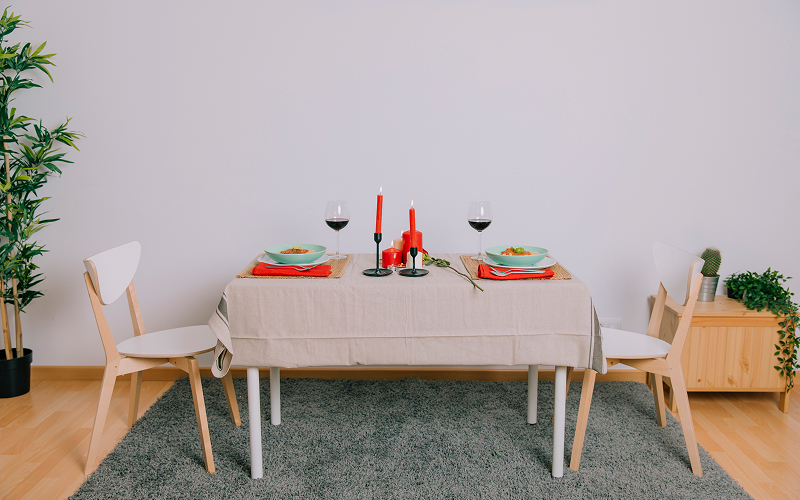
Lastly, a good interior design in Singapore provides room for flexibility and adaptation. As your needs change—be it a growing family, the addition of pets, or lifestyle shifts like working remotely—your space should be able to evolve. Designs that allow for reconfiguration or upgrades without requiring major overhauls are more sustainable and cost-effective in the long run.
Modular furniture, removable partitions, and neutral base tones are some of the ways to achieve adaptability. For example, what starts as a guest room can later be converted into a nursery or study without redoing the entire layout. Good interior design in Singapore anticipates these transitions and builds in enough versatility to accommodate future needs.
Why These Qualities Matter
Singapore’s unique blend of urban density, multiculturalism, and high property costs makes interior design more than just a luxury—it’s a necessity. When executed well, it contributes not only to visual enjoyment but also to efficiency, comfort, and even property value. Many Singaporeans invest significantly in renovation, so the outcome must meet both current desires and future demands.
Beyond individual homes, these principles also apply to commercial spaces. Offices, retail stores, and hospitality venues must also deliver functional layouts, visual consistency, and adaptable features. Good interior design in Singapore is appreciated across all environments because of its ability to enhance how spaces are used and perceived.
Conclusion
In summary, the five essential qualities of a good interior design in Singapore are functionality, aesthetic harmony, space optimisation, material durability, and long-term flexibility. When these elements are thoughtfully integrated, they create living or working spaces that are not only visually appealing but also practical and enduring. Whether you’re planning a small refresh or a full-scale renovation, keeping these qualities in mind will help guide you towards better design decisions.
If you’re ready to explore more home improvement tips and expert ideas, visit Living Comforts to get the latest content curated just for you.
