
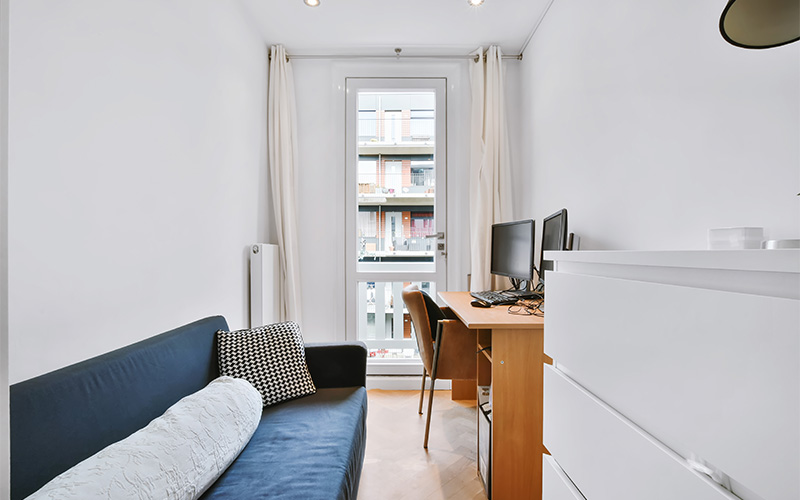
Living in an HDB 5-room flat provides the freedom to create a comfortable, spacious home. With larger square footage than smaller units, many homeowners make the mistake of overlooking proper layout planning. Poor zoning and furniture arrangement lead to clutter and wasted areas. Clear strategies streamline space usage and make everyday living smoother.
Understanding the HDB 5-Room Layout
Start by defining core zones. Typical HDB 5-room layouts include a living area, dining space, kitchen, three bedrooms, and two bathrooms. Setting purposes for each space prevents overlap and makes transitions cleaner. Dedicate the living area to relaxation, the dining space to shared meals, and bedrooms for rest or work. Resist the urge to blend zones without intent.
Open layouts benefit from visual separation. Use rugs, ceiling lights, or storage partitions to mark boundaries. Proper flow supports better function, especially in shared areas. Keep furniture scales in check. Oversized couches or storage units crowd rooms quickly. Maintaining proportion ensures open walking paths.
Make full use of vertical space. Install wall shelves and tall cabinets rather than relying solely on floor units. Maximise storage without sacrificing movement. Rethink bulky furniture with sleeker alternatives.
Prioritising Storage Without Sacrificing Aesthetic
Storage dominates most conversations around HDB 5-room layout planning. But homeowners often overcompensate with large built-ins that overpower design. A well-organised flat hides clutter while maintaining a clean visual line. Functional furniture, like ottomans with compartments or beds with drawers, doubles space use without extra visual load.
Storage should follow daily habits. Keep high-use items within reach. Reserve top shelves or concealed cabinets for seasonal items. Build vertical storage in underused corners and above eye level to clear floor space. Avoid matching storage to every wall—this creates heaviness and removes character.
Use uniform colours or finishes across cabinets to keep rooms cohesive. Built-ins should blend with walls or major furniture pieces. Neutral tones enlarge space visually and prevent fragmentation.
Smart storage makes cleaning easier. Fewer open shelves mean less dust and visual distraction. Closed storage reduces mess and keeps layouts polished. Focus on functional organisation over decorative accessories.
Storage remains a tool, not a design anchor. Keep a balance between utility and design harmony to achieve livable flow throughout the HDB 5-room layout.
Defining Flexible Living Areas
One strong benefit of an HDB 5-room layout lies in flexibility. With proper planning, spaces serve more than one function without compromising flow. Homeowners turn guest rooms into workspaces or blend study nooks into bedrooms without major renovations.
Use modular or moveable furniture to accommodate changing routines. Foldable desks, nesting tables, or stackable chairs keep space adaptable. Incorporate curtains or sliding doors instead of permanent walls to divide areas on demand. These soft dividers zone without shrinking space.
Open living areas work better with clear walkways and central furniture arrangements. Place seating around a rug or low table to create a focal point. Avoid pushing furniture to corners—this often isolates activity.
Lighting defines purpose, too. Install task lights in study corners, ambient lamps in rest zones, and warm overhead lights above dining areas. Each type frames activity and adds comfort.
Maximise flexibility by planning core zones based on lifestyle. Hobbies, work needs, and relaxation habits all shape space usage. Change doesn’t always need major construction—strategic placement and thoughtful furniture offer better results.
Making Bedrooms Restful and Multi-Functional
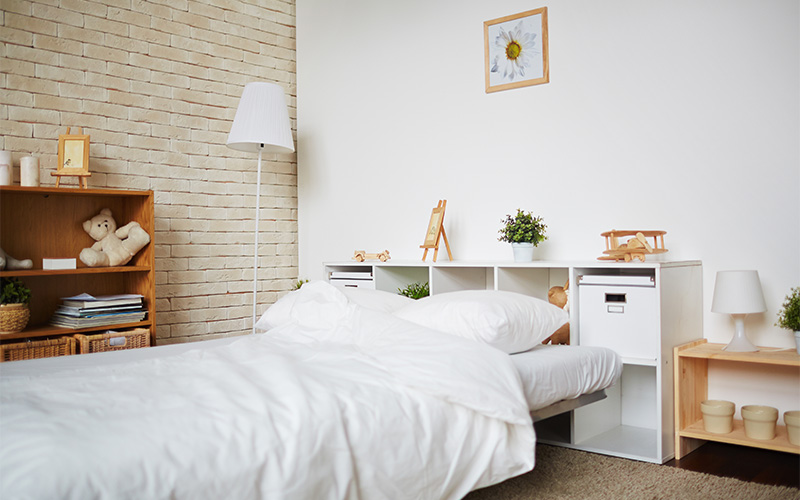
Bedrooms in an HDB 5-room layout often serve dual roles—rest and productivity. Designing with this in mind ensures balance. Here are ways to achieve it:
- Start with the bed’s placement. Keep it away from doors to create privacy and quiet. Choose storage beds to combine sleeping and utility.
- Use side walls for vertical storage instead of adding wardrobes that eat space. For shared rooms or guest spaces, opt for single beds with expandable features. Murphy beds or daybeds create more usable daytime space.
- Add wall-mounted lights instead of table lamps to keep surfaces free. Keep colour tones calming and avoid over-decoration. Limit shelves to essentials to reduce dust and clutter.
- For workstations, tuck desks near windows for natural light. Install slim cabinets or pegboards for supplies without bulk. Keep wiring and manage to preserve visual clarity.
- Each bedroom should reflect its main purpose. Ensure comfort first, then add functions through space-saving pieces and efficient zoning.
ALSO READ: Chic & Cheap: Minimalist Bedroom Decor Ideas
Enhancing the Kitchen and Dining Experience
A well-zoned kitchen and dining area improve routine. HDB 5-room layout plans allow for better kitchen configurations than smaller flats. Focus on storage-first design—use drawers below counters and overhead cabinets for light items. Prioritise clean countertops for prep work.
Keep cooking zones, prep zones, and cleaning zones distinct. Use lighting to define these functions. Install brighter lights over counters and softer ones above dining spaces. Choose finishes that resist wear, especially for flooring and cabinet surfaces.
Dining areas work best near the kitchen. A simple round or extendable table saves space and suits both family meals and guests. Built-in benches with storage work well in tight corners. Use chairs with narrow frames to reduce crowding.
Avoid mixing kitchen and dining without boundaries. Even a small shift in floor material or colour makes a big difference. Clear separation supports ease of movement and minimises mess during busy meals.
Creating a Flow That Supports Everyday Living
A successful HDB 5-room layout supports daily movement without obstacles. Uncluttered walkways, well-placed lighting, and proportional furniture help. Evaluate habits—where people move most, where gatherings happen, where quiet time occurs. Design for these realities, not trends.
Start from the entrance. Place slim consoles or shoe cabinets that don’t block flow. Use mirrors to widen narrow corridors visually. Keep living zones free of storage overflow. Every object should have a purpose and place.
Keep traffic paths clear in common areas. Furniture should guide, not hinder. Arrange sofas, shelves, and tables to promote smooth navigation. Avoid blocking windows—natural light strengthens flow and enlarges space visually.
Use consistent flooring materials to unify zones. Too many textures or colours cause fragmentation. Even curtains and rugs affect how people move and perceive space.
Functional layouts never feel accidental. Every decision should reflect lifestyle and intention. That’s how space works best.
Looking for more layout tips, decor ideas, and ways to elevate daily living? Visit Living Comforts to explore inspiring guides that help you make the most of your HDB 5-room layout.
