
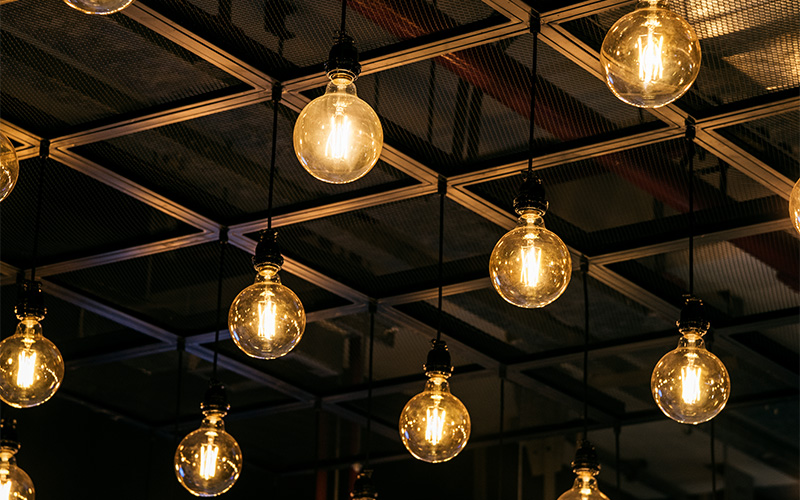
The industrial style interior is all about honesty in design. Exposed pipes, weathered wood, metal finishes, and concrete walls do not try to hide. They wear their history on their sleeves. But even the most character-filled space can fall flat without the right lighting. Think of lighting as the unsung hero in these rugged spaces, coaxing out textures, highlighting contrasts, and warming up what might otherwise feel a bit too stark.
Why Lighting Matters in an Industrial Setup
Lighting does more than make a room visible. It sets the mood, draws the eye, and supports function. In an industrial style interior, where raw materials and open spaces dominate, lighting becomes the thread that ties everything together. It keeps the space from feeling too cold or too empty.
Unlike heavily decorated interiors, industrial ones rely on structure and materials for charm. That’s where lighting steps in. It adds dimension and rhythm. A bare brick wall becomes a focal point with a little uplighting. A concrete floor takes on warmth when it catches the glow from a tungsten bulb.
Types of Lighting That Work Best
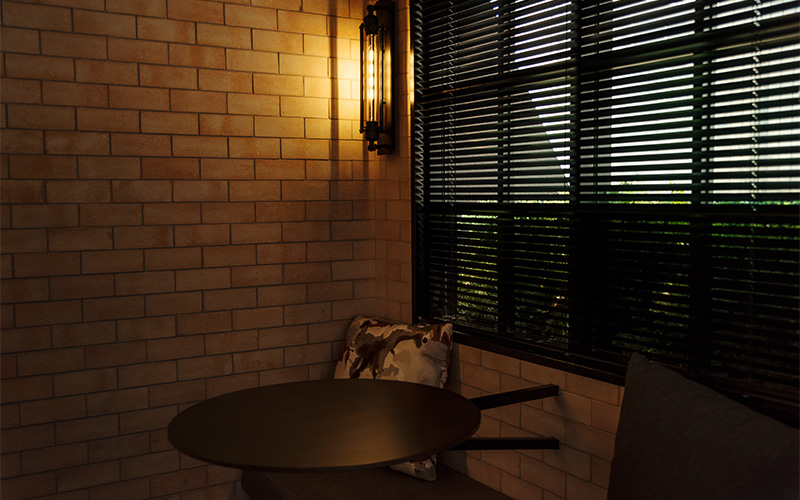
There are three main layers of lighting: ambient, task, and accent. In an industrial-style interior, you’ll often see all three working together, but with a gritty twist. Think factory-style pendant lights, cage fixtures, and vintage-inspired bulbs.
Ambient lighting sets the stage. Large overhead fixtures or rows of track lights fill the space with general illumination. Task lighting, like wall-mounted lamps or under-cabinet strips, supports activities such as reading or cooking. Accent lighting picks out architectural details, art pieces, or textured surfaces. Each has a part to play.
Highlighting Texture With Light
One of the best things about an industrial style interior is its tactile quality. From chipped bricks to rough timber beams, the texture is everywhere. Light can either flatten these features or bring them to life.
To make a brick wall pop, use wall washers or floor-mounted uplights. The angle of the light casts small shadows that exaggerate every uneven surface. Similarly, pendant lights above a reclaimed wood dining table create shadows and highlights that enhance the grain.
Metal surfaces, when lit correctly, reflect a subtle gleam that feels intentional rather than sterile. Soft, warm bulbs help here. Avoid stark white LEDs that can make everything look like a lab.
Creating Contrast in Open Spaces

Industrial layouts are often open-plan. Without walls to define areas, lighting takes on an important role in shaping how the space is used. A cluster of pendant lamps can visually anchor a dining area. A row of floor lamps can guide the eye through a long hallway. Using light to break up space creates zones without needing dividers.
Contrast is also key in the visual sense. Pairing warm lights with cool materials like steel creates balance. Mixing dimmed corners with brightly lit spots adds drama. A space lit evenly from top to bottom might feel safe, but also flat. Let there be pockets of light and shadow.
Choosing the Right Bulbs and Fixtures
In an industrial style interior, it’s not just about the light, it’s about what holds it. Fixtures are part of the design. Matte black metals, aged brass, and brushed steel finishes all fit the bill. Glass shades that show off filament bulbs add a nostalgic touch.
The bulbs themselves matter too. Filament or Edison-style bulbs offer a warm amber glow that feels at home in industrial spaces. Their low colour temperature brings out the richness in wood and softens harsh textures.
Avoid overly modern fixtures unless they have a raw edge. A sleek metal fixture can work if it feels handmade or rugged in some way. Steer clear of glossy plastic or ornate shapes that clash with the space’s honest materials.
READ ALSO: Pendant Light Perfection: A Stylish Guide to Illumination
Making the Most of Natural Light
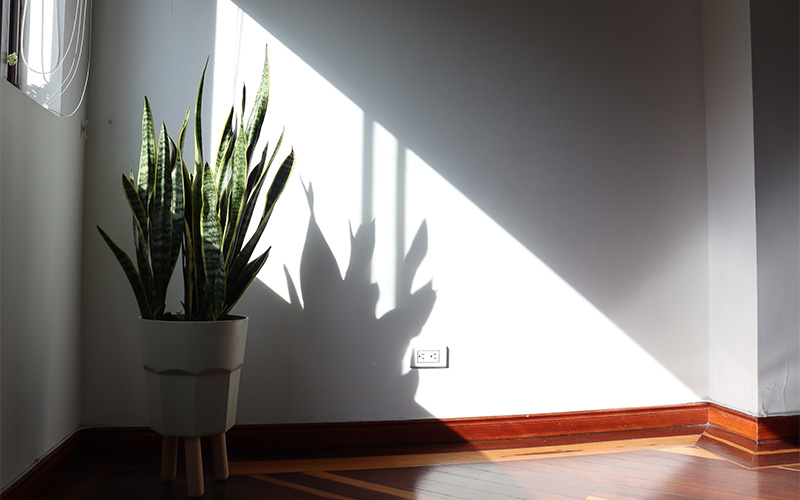
Natural lighting is one of the simplest ways to soften the hard edges of an industrial style interior. Instead of competing with artificial light, large windows can become a central design feature. Their size and placement often echo the building’s industrial roots, especially in spaces converted from warehouses or factories. Letting in natural daylight not only brightens the room but also brings out the true tones and textures of the materials used in an industrial style interior.
Consider how the light moves through your space during the day. A bare concrete wall looks completely different in morning light compared to sunset. This shifting light adds a natural rhythm to the room that no bulb can replicate. Skylights, if available, are also worth using to introduce overhead light that enhances the height and openness of industrial ceilings. They serve as practical openings for light and allow architectural interest to shine through.
For privacy or light control, avoid heavy curtains. Choose metal blinds, sheer linen panels, or roller shades in neutral colours. These window treatments keep things clean and simple without interrupting the overall look. Natural light, when allowed to play freely, brings warmth and life to otherwise austere surfaces, offering a daily reminder that raw doesn’t have to mean cold. It’s a matter of using what’s already there to your best advantage, particularly in an industrial style interior.
To amplify what daylight you have, use mirrors and reflective surfaces. A mirror opposite a window doubles the light. Polished concrete floors or glossy subway tiles bounce it around. Even small changes like light-toned furniture can help a space feel brighter without losing its character. These additions create a subtle, cohesive backdrop that works well with both the existing structure and any artificial lighting layered on top.
Using Light to Warm Up Cold Materials
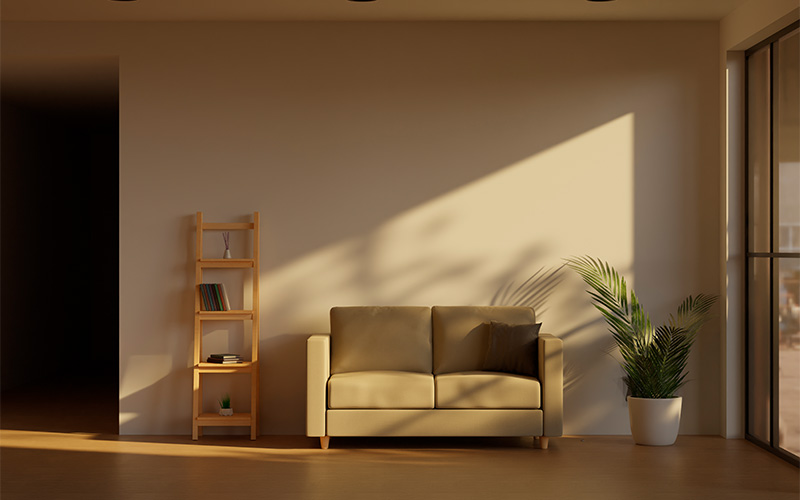
Concrete and steel are common in an industrial style interior. They look strong, but can feel cold and impersonal without the right atmosphere. Lighting helps soften this look by creating warm spots that draw people in. Wall sconces with warm-toned bulbs, under-shelf lighting in the kitchen, or even a compact table lamp with a linen shade can make a world of difference. These solutions create glow zones that fight off that stark, warehouse chill.
Texture also plays a major role in warming up a space in an industrial style interior. A fabric lampshade adds softness not only in appearance but also in how it diffuses the light. A wooden fixture with a visible grain or even a woven pendant adds balance against metal or stone. These elements bring in visual and tactile contrast that feels inviting.
If your space leans heavily on cold surfaces like concrete and steel, consider scattering more small light sources instead of relying on one overhead light. Table lamps, wall fixtures, and concealed LED strips can add soft illumination throughout the room. This scattered glow builds intimacy and breaks the hollowness that often comes with tall ceilings and bare walls.
Statement Fixtures Without the Fuss
Statement lighting doesn’t have to scream. Quiet confidence fits the industrial style interior better. Oversized dome pendants, bare-bulb chandeliers, or multi-arm metal fixtures all command attention without shouting.
Placement makes the difference. A large pendant above a kitchen island or a bold floor lamp beside a reading chair draws attention naturally. Let the fixture speak through form and function rather than flamboyance.
Lighting in Unexpected Spots

Sometimes the most effective light comes from places people don’t expect. Like a hidden strip behind a floating shelf that softly outlines the wall. Or perhaps a small spotlight aimed at a vintage clock, turning it into a subtle centrepiece. Even just a floor lamp behind a sofa can cast long, moody shadows that stretch across the room and shift with every movement.
These low-key lighting tricks can elevate the mood of an industrial-style interior without demanding attention. They add an element of surprise, offering visual breaks in a space dominated by structure and material. Unexpected lighting encourages interaction with the space, guiding the eye to overlooked corners and design details.
Layering light in this way creates depth and intrigue. A narrow beam on a textured wall or a warm glow beneath a cabinet can transform surfaces from basic to brilliant. These aren’t bold statements, but gentle whispers that make a lasting impression.
Just like the best parts of an industrial style interior, these small lighting gestures show beauty in the unexpected. They remind us that not every spotlight needs a stage; some work best behind the scenes.
Keeping it Practical
Beyond looking good, lighting needs to work. Dimmable switches give you control. You can go bright for cleaning or cooking, then dial it down for a cosy evening. Smart bulbs or timers help you automate without losing the tactile feel.
Make sure workspaces like kitchen counters or desks have task lighting. It saves your eyes and keeps the space user-friendly. Style is important, but function still comes first in an industrial style interior.
The Final Glow-Up
Lighting in an industrial style interior doesn’t just brighten. It defines, divides, enhances, and softens. It lets rough textures shine, cold materials glow, and open spaces feel more intimate. With the right placement and a few clever tricks, even a dim corner can become a highlight.
You don’t need to flood the room with fixtures. Thoughtful lighting choices can make a bigger impact than an expensive chandelier. It’s about knowing your space and letting light do its job with a little flair and a lot of purpose.
Visit Living Comforts to explore lighting options that elevate your industrial style interior with just the right amount of glow, grit, and personality.
