
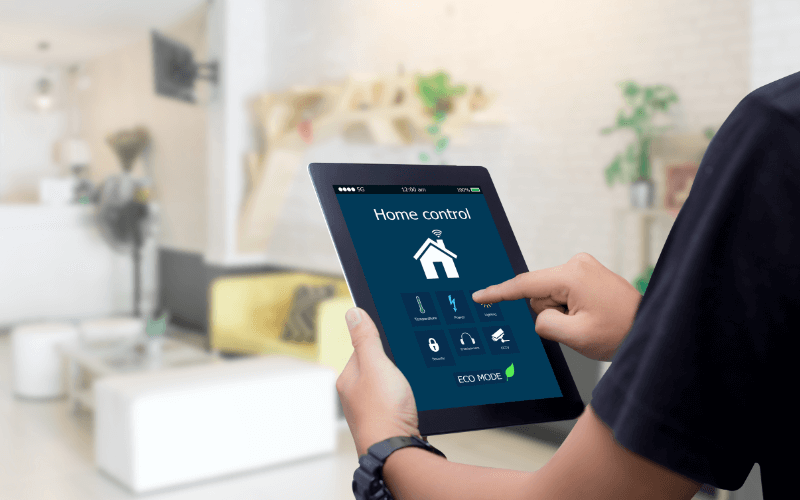
In today’s modern world, the concept of a smart home has transcended from a futuristic idea to a practical and accessible reality. Powered by the Internet of Things (IoT), smart home technology has transformed the way we live, offering convenience, efficiency, and security at the touch of a button—or a voice command. In Singapore, where innovation meets urban living, the adoption of smart home solutions has been on the rise, making life more seamless and connected.
What Is a Smart Home?
A smart home smoothly integrates appliances and gadgets that can be accessed and controlled remotely with the use of an internet connection. By leveraging IoT technology, these devices communicate with one another to perform tasks or respond to user commands. Whether it’s adjusting the temperature, controlling lighting, or enhancing home security, smart home solutions offer a level of convenience that is unmatched by traditional systems.
In Singapore, smart home adoption has been driven by the city-state’s push for innovation and its focus on sustainability. From HDB flats to private residences, homeowners are embracing smart technologies to create comfortable and efficient living environments.
How IoT Powers Smart Homes
The Internet of Things serves as the backbone of smart home technologies. IoT connects everyday devices—such as thermostats, lights, and even refrigerators—to the internet, enabling them to send and receive data. This connectivity allows users to control their home systems through apps, voice assistants, or automated schedules.
For example, IoT-enabled smart lighting can adjust brightness based on the time of day or user preferences, saving energy while enhancing ambience. Similarly, smart thermostats learn a household’s habits and optimise energy usage by maintaining ideal temperatures only when needed. In Singapore, where energy efficiency is a priority, such solutions resonate with eco-conscious homeowners.
ALSO READ: The Ultimate Smart Home Setup: Must-Have Devices For 2025
Benefits of a Smart Home
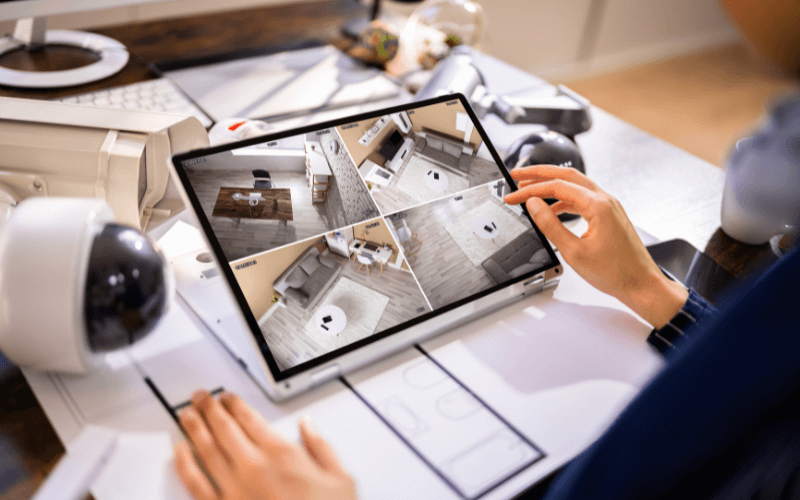
The allure of a smart home lies in its power to simplify home tasks and enhance daily life. With smart home technology, you can lock doors, monitor security cameras, or even preheat your oven remotely. This is particularly useful for busy Singaporeans who value time-saving solutions.
Another major benefit is energy efficiency. Smart devices such as automated blinds and energy monitoring systems help reduce wastage, contributing to lower utility bills and a greener lifestyle. For instance, smart plugs can identify energy-hogging devices and turn them off when not in use, while solar-powered IoT devices integrate seamlessly into sustainable home setups. After the launch of the Singapore Green Plan in 2021, the government encouraged the public to participate in the efforts to reduce waste, smart home technology is one of the solutions to the lingering waste issue in the country.
Security is also a key feature of smart homes. With smart locks, motion sensors, and connected cameras, homeowners can monitor their properties in real time and receive alerts about potential issues. This level of control provides peace of mind, especially for families or frequent travellers.
Challenges and Considerations
While the advantages of smart homes are crystal clear, it also has a fair share of challenges to consider. Privacy and data security are significant concerns, as connected devices collect and store user information. To mitigate risks, choose reputable brands with strong data protection measures and regularly update your devices’ firmware to guard against vulnerabilities.
Cost is another factor. While prices for smart home systems have become more affordable, the initial investment can still be significant, depending on the level of integration desired.
Compatibility between devices is also crucial. Ecosystems such as Google Home, Amazon Alexa, and Apple HomeKit are popular in Singapore, offering broad compatibility with a range of devices.
Smart Home Trends in Singapore
Singapore is a hub for state-of-the-art technology, so it is no surprise that the country has embraced smart home technology. Compact living spaces often benefit from multi-functional devices, such as smart mirrors that display weather updates or integrated kitchen appliances that streamline cooking tasks.
The government’s focus on building smart cities has also encouraged the adoption of IoT solutions in homes. For example, energy-saving initiatives and green building certifications often recommend smart systems that optimise resource usage. Local companies are increasingly offering smart home SG packages, making it easier for residents to transform their living spaces with cutting-edge technology.
The Future of Smart Homes
As IoT technology continues to advance, the future of smart homes looks promising. Artificial intelligence is set to play a larger role, with systems becoming more intuitive and personalised. Imagine a home that not only follows your commands but anticipates your needs—adjusting the lighting when you enter a room or suggesting meal ideas based on your dietary habits.
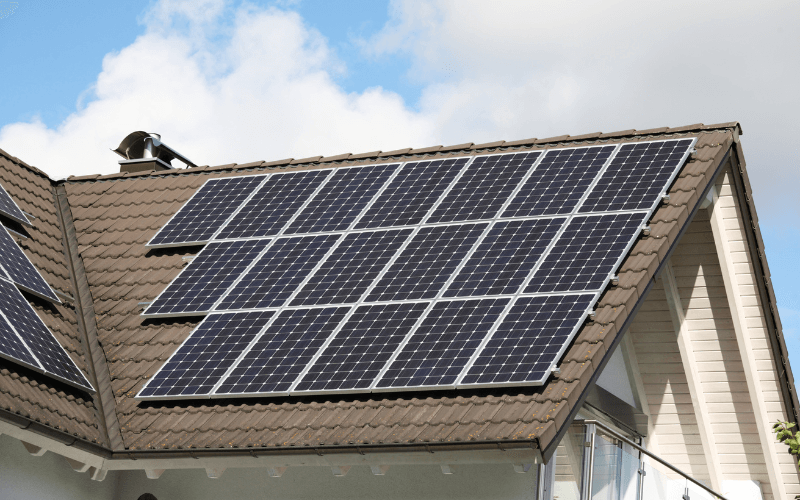
Moreover, the integration of renewable energy solutions, such as solar panels paired with IoT-enabled energy management, will make smart homes even more sustainable. This aligns with the Singapore Green Plan’s long-term vision of achieving a green and connected urban environment.
Final Thoughts
The rise of smart home technology in Singapore highlights the transformative power of IoT in modern living. By enhancing convenience, improving energy efficiency, and bolstering security, smart homes offer a lifestyle upgrade that resonates with tech-savvy and eco-conscious residents. While challenges such as privacy and compatibility need to be addressed, the benefits far outweigh the drawbacks.
Whether you’re just starting your smart home journey or planning a complete transformation, embracing IoT can make your home a smarter, more comfortable place to live.
Are you looking for ways to upgrade your home without breaking the bank? Check out Living Comforts for practical tips on decor and home management.
