
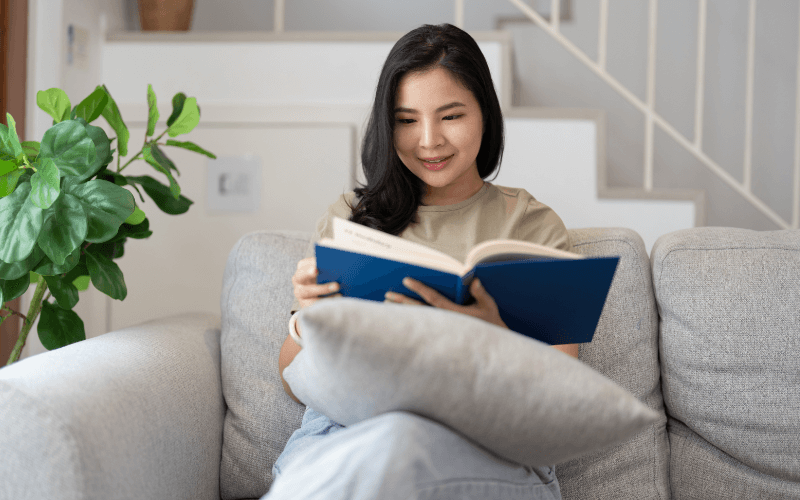
For introverts, home is more than just a place to live—it’s a sanctuary where they recharge, reflect, and find solace from the demands of the outside world. A well-thought-out home design can significantly enhance this sense of comfort and serenity, creating a personal space that aligns with their personality and lifestyle. If you’re designing a home for introverts, understanding their need for calm, privacy, and functionality is key to crafting the perfect haven.
Understanding the Introvert’s Needs in Home Design
Introverts often prefer environments that offer peace and quiet, allowing them to focus on their thoughts and passions. A home designed for introverts should offer an escape from sensory overload while facilitating their need for introspection and creativity. This doesn’t mean the space has to be austere or devoid of life—it simply needs to prioritise comfort, balance, and intentionality.
Another crucial element in a house designed for introverts is privacy. Even though open-concept layouts are a popular trend, introverts usually prefer a layout that offers defined spaces where they can be themselves. Thoughtful interior design choices can help create a harmonious environment that feels expansive yet personal.
Creating Quiet Zones
One of the defining features of a house design for introverts is the inclusion of quiet zones. These areas can serve as reading nooks, meditation corners, or creative spaces. For example, a window seat surrounded by bookshelves offers the perfect retreat for a book lover, while a small corner with a comfy chair and soft lighting creates an ideal spot for mindfulness practices.
To enhance these zones, incorporate materials and textures that promote relaxation. Soft furnishings, natural fibres, and warm wood tones create a soothing environment that introverts will appreciate. The inclusion of natural elements such as indoor plants can further boost the sense of tranquility and freedom.
Optimising Layouts for Privacy
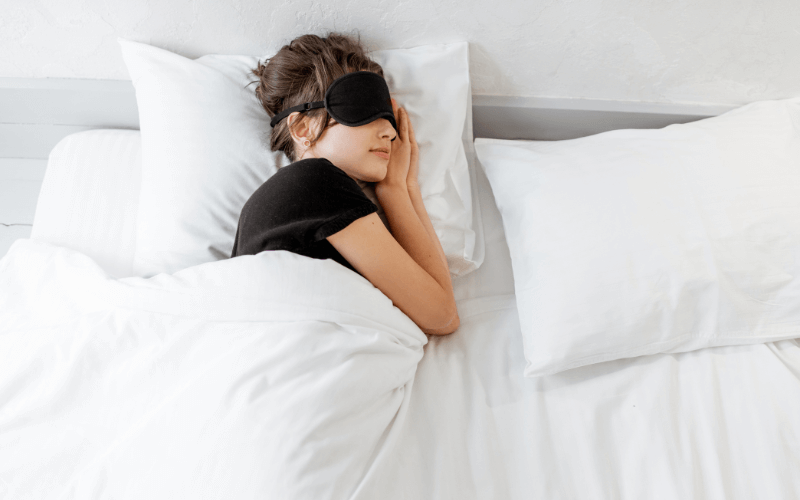
Introverts usually prefer homes that have a sense of division between communal and private spaces. This can be done by the smart zoning in the home’s layout. Bedrooms, studies, and other personal areas should be positioned away from the main living or dining areas to minimise disturbances.
Partition walls, sliding doors, or even decorative screens can provide visual and acoustic separation without compromising the overall flow of the home. Additionally, soundproofing materials such as heavy curtains or acoustic panels can help reduce noise and create a quieter environment.
Choosing Calming Colour Palettes
Little do most people know, colours play an important role in influencing the mood and energy levels in interior design. For introverts, calming hues like soft blues, greys, greens, and neutrals are ideal as they evoke feelings of peace and relaxation.
Lighting also plays a pivotal role. Opt for adjustable lighting solutions such as dimmers or layered lighting to create the right ambience for different times of the day. Soft, warm lighting is particularly effective in creating a cosy and inviting atmosphere.
Functional Furniture and Storage
Minimalistic furniture that serves multiple functions is a practical choice for maintaining order. For instance, a storage ottoman can double as seating, while wall-mounted shelves maximise vertical space without encroaching on floor area.
Adequate storage solutions help keep personal belongings organised and out of sight, reducing visual clutter. Built-in wardrobes, under-bed storage, and concealed cabinetry can all contribute to a streamlined and serene living space.
ALSO READ: 5 MUJI-Inspired Home Decor Ideas For Minimalist Living
Incorporating Nature and Personal Touches
Consider incorporating natural materials like wood, stone, and bamboo into the interior design. Indoor plants not only improve air quality but also add a touch of vitality to the home.
Personal touches are equally important. Whether it’s displaying artwork, photos, or cherished keepsakes, these elements create a sense of belonging and make the space feel uniquely theirs.
Balancing Social Spaces
While introverts value solitude, they also appreciate having comfortable spaces to host close friends or family when desired. Creating an inviting yet understated living or dining area allows for intimate gatherings. Furniture arrangements should encourage conversation without feeling too formal or imposing.
Using flexible furnishings, like extendable tables or modular seating, allows the space to adapt to different needs while maintaining its core purpose as a private haven.
Final Thoughts
Designing a home for introverts goes beyond aesthetics—it’s about creating a space that nurtures their need for solitude, comfort, and harmony. By incorporating thoughtful layouts, calming colours, and functional elements, you can craft a home that serves as both a retreat and a reflection of their personality.
Whether it’s a cosy reading corner, a tranquil bedroom, or a well-organised living area, each design choice should prioritise the introvert’s desire for serenity and balance. With the right approach, any house design can become a true sanctuary where they can thrive.
Are you seeking ways to improve your home? Learn more about practical household tips in Living Comforts and boost the overall aesthetics of your living space.
