

The pandemic has left a significant mark on our way of living, forcing us to change our perspective on things. As people spend more time indoors, priorities in home decor have shifted towards comfort, functionality, and mindfulness. In Singapore, where space is often at a premium, these trends are particularly impactful.
Let’s explore the post-pandemic interior design trends that are transforming home decor in Singapore.
1. Multi-Functional Spaces: Adapting to New Norms
Remote work and online learning have become integral parts of life, and homes have had to adapt to the new normal. Multi-functional spaces are now a cornerstone of interior decor in Singapore. Dining tables double as workstations, and living rooms are being reimagined as workout zones or home offices.
To make these spaces more functional, modular furniture is growing in popularity. Foldable desks, sofa beds, and extendable tables allow homeowners to maximise limited square footage. Clever storage solutions, such as built-in shelving or under-bed drawers, help maintain a clutter-free environment while accommodating multiple uses for a single area.
2. Embracing Nature Indoors
The desire to connect with nature has surged during the pandemic, giving rise to biophilic interior design. Incorporating natural elements into home decor is no longer just a trend—it’s a necessity. In Singapore, where urban living often limits access to greenery, houseplants have become a popular way to bring the outdoors inside. From low-maintenance succulents to vibrant monstera plants, greenery adds freshness and a sense of calm to interiors.
In addition to plants, materials like wood, rattan, and bamboo are being widely used in furniture and decor. These organic elements complement Singapore’s tropical climate while promoting a warm, inviting atmosphere. Large windows, light-coloured drapes, and strategically placed mirrors further enhance natural light, creating a seamless connection between the indoors and outdoors.
3. Focus on Comfort and Wellness
Comfort-driven design is at the forefront of home decor trends, with soft furnishings, cosy textures, and ergonomic furniture gaining prominence. Singaporeans are prioritising pieces that offer both style and comfort, such as plush sofas, padded armchairs, and memory foam mattresses.
Wellness has also become a significant focus. Dedicated spaces for relaxation, such as meditation corners or reading nooks, are increasingly common. Neutral and earthy colour palettes are being chosen to evoke calmness, while aromatic candles and diffusers add an extra layer of tranquillity.
4. Sustainable and Eco-Friendly Designs
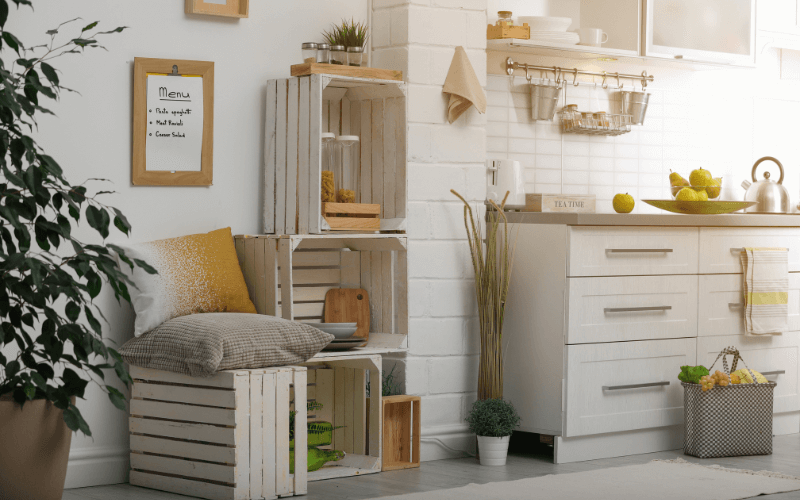
Singaporean homeowners are now more inclined to invest in eco-friendly materials and energy-efficient appliances. Recycled wood, reclaimed metals, and sustainable fabrics are making their way into furniture design, blending style with responsibility.
Additionally, vintage or pre-loved furniture is gaining traction as people look for unique, eco-conscious decor options. Incorporating these pieces not only reduces waste but also adds character to a space, making it stand out.
5. Bold Colours and Statement Pieces
While neutral tones are a safe choice, there’s a rising trend towards bold colours and statement pieces to infuse energy into interiors. Vibrant hues like emerald green, deep blue, and mustard yellow are being used in accent walls, furniture, and decorative items. These colours make rooms feel dynamic and personalised.
Statement pieces such as sculptural chairs, artistic lighting fixtures, and oversized artworks are also trending. In Singapore, where space is limited, such items help create a focal point without overcrowding a room. A carefully chosen statement piece can elevate the overall aesthetic while reflecting the homeowner’s personality.
6. Smart Homes for Modern Living
Technology is playing an ever-larger role in home decor trends, particularly in Singapore, where smart living solutions are highly sought after. Post-pandemic, homeowners are integrating smart home devices for convenience, security, and energy efficiency. From voice-activated lighting systems to automated blinds and app-controlled air purifiers, these features are making homes more adaptable to modern lifestyles.
Moreover, the rise of hybrid work models has led to increased demand for tech-friendly home offices. Ergonomic chairs, adjustable desks, and soundproofing solutions are essential for creating productive yet comfortable workspaces.
ALSO READ: Smart Homes Demystified: The Role of IoT in Modern Living
7. Minimalism with a Personal Touch
The minimalist aesthetic continues to dominate, but it’s evolving to include more personal touches. Instead of stark, impersonal spaces, Singaporean homeowners are embracing “warm minimalism,” where clean lines are softened by textures, colours, and meaningful decor items. Family heirlooms, travel souvenirs, and handmade crafts are being incorporated into designs, adding depth and individuality.
This trend is particularly relevant in Singapore’s compact homes, where every item must serve both a functional and aesthetic purpose. By curating a collection of meaningful objects, homeowners can create spaces that feel truly their own.
Final Thoughts
The post-pandemic era has brought profound changes to how we approach interior design. In Singapore, where space efficiency and style often go hand-in-hand, these trends offer practical and beautiful solutions for modern living. From multi-functional designs to sustainability and smart technology, the focus is on creating homes that are not only aesthetically pleasing but also adaptable, comfortable, and reflective of personal values.
As you consider your next home decor upgrade, keep these trends in mind to transform your space into a stylish yet functional sanctuary. Visit Living Comforts and get a daily dose of news about interior design trends.
