
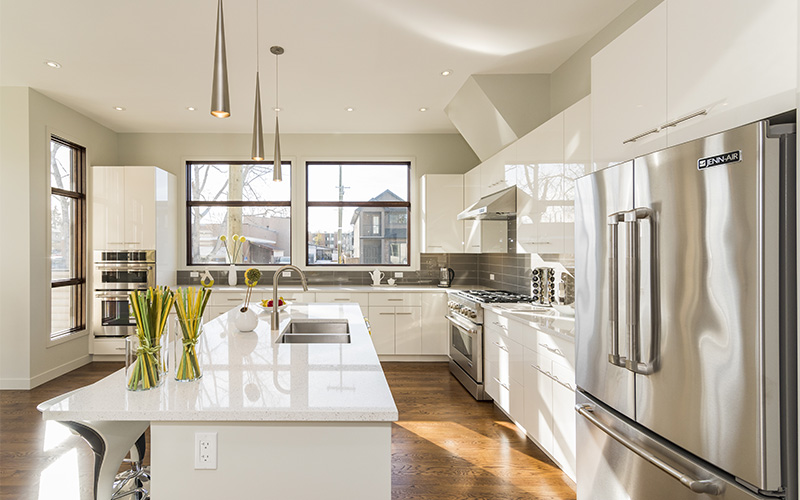
When it comes to kitchen interior decoration, the fine balance between aesthetics and functionality is crucial, especially for homes in Singapore where space is at a premium. The kitchen is not just a place for cooking; it has become a central hub for gatherings, family meals, and even socialising with friends. While many homeowners strive to create a kitchen that is visually pleasing, several common mistakes can undermine both beauty and usability. Understanding these pitfalls can help you craft a kitchen that not only looks great but also works well for your lifestyle.
1. Overlooking Functionality for Aesthetics
One of the biggest mistakes in kitchen interior decoration is prioritising looks over practicality. Many Singaporeans are drawn to the latest trends in cabinetry, splashbacks, and countertops, but these should never come at the expense of function. A kitchen might look stunning in pictures, but if you can’t move around easily or reach important appliances, it can become a daily frustration. Before settling on a design, think about how you will use the space every day. Consider where you will cook, clean, and store your utensils, and let these functional aspects guide your choices.
2. Ignoring the Work Triangle Principle
The concept of the kitchen work triangle is essential for a functional kitchen interior decoration. This principle refers to the efficient placement of the sink, stove, and refrigerator in a triangular formation. When this balance is ignored, homeowners often find themselves making unnecessary steps back and forth while cooking. In a compact kitchen, this oversight can make even the smallest meal preparation feel like a chore. Ensuring that your work triangle is well-proportioned and unobstructed will make daily tasks much easier and more pleasant.
3. Poor Lighting Choices
Lighting can make or break a kitchen interior decoration scheme. Many homeowners focus solely on the appearance of fixtures and forget that a kitchen needs different types of lighting for different purposes. Task lighting is essential for food preparation, while ambient lighting sets the mood and general brightness. Inadequate lighting can make cooking unsafe and cleaning ineffective. Layer your lighting by incorporating a mix of overhead, task, and accent lighting to create a space that’s both functional and inviting.
4. Forgetting About Storage Needs
A well-organised kitchen relies heavily on smart storage. However, many kitchen interior decoration plans in Singapore’s compact flats do not prioritise enough storage solutions. Cluttered countertops and overflowing cabinets can turn an otherwise beautiful kitchen into a chaotic one. Think creatively about your storage options, from vertical shelving to pull-out pantry units. Incorporating these features during the planning stage will keep your kitchen looking tidy and spacious.
5. Choosing the Wrong Materials
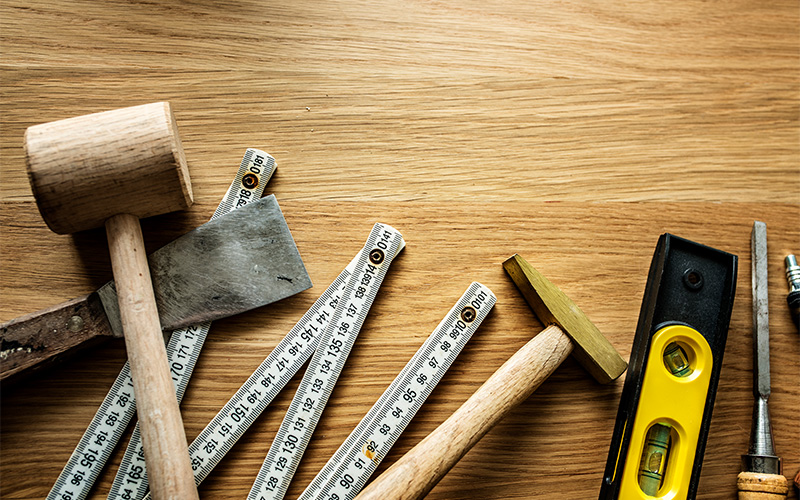
When selecting materials for kitchen interior decoration, durability should be a top priority. High-gloss cabinets and natural stone surfaces might look appealing, but they can be prone to scratches and stains in a busy kitchen. In Singapore’s humid climate, some materials may also warp or degrade faster. Research materials that can withstand daily wear and tear while still maintaining their appearance. Engineered quartz, for example, can be a practical and stylish choice for countertops.
6. Disregarding Ventilation Requirements
Good ventilation is critical in any kitchen, yet it’s often overlooked in kitchen interior decoration plans. Without proper ventilation, heat and cooking odours can linger, creating an uncomfortable environment. This is particularly important in Singapore’s humid climate, where poor ventilation can also lead to mould and mildew issues. Installing an efficient range hood and ensuring good airflow will not only keep your kitchen fresh but also protect your investment in cabinetry and finishes.
7. Overcrowding the Space
It’s tempting to fill a kitchen with every gadget and design feature you love, but overcrowding can quickly ruin even the best kitchen interior decoration. In small Singaporean kitchens, this is especially problematic. Too many decorative items, oversized furniture, or unnecessary appliances can make a kitchen feel cramped and disorganised. Embrace minimalism where possible, choosing only the pieces that truly enhance your kitchen’s beauty and function.
8. Neglecting the Power of Colour
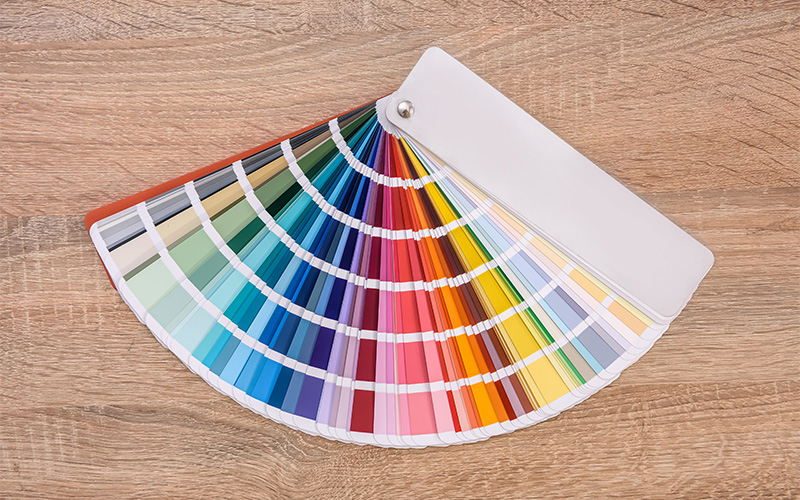
Colour is an essential element in kitchen interior decoration that can greatly influence how a space feels. However, many homeowners play it too safe with bland colour palettes or go overboard with trendy, vibrant hues. In Singapore’s bright climate, colour can be used to reflect natural light and create a fresh, airy feel. Choose colours that not only suit your taste but also complement the lighting and size of your kitchen.
9. Not Customising for Your Lifestyle
Every kitchen should reflect the lifestyle of its users, but some homeowners simply replicate popular designs without considering their own needs. For example, a large kitchen island may look impressive, but it can disrupt the flow in a smaller HDB kitchen. Likewise, open shelving might be stylish, but it may not suit households that prefer everything tucked away. Personalising your kitchen interior decoration to suit your routines and habits is crucial for long-term satisfaction.
10. Underestimating the Importance of Professional Advice
DIY design might be cost-effective, but it’s not always the best choice for kitchen interior decoration, particularly in Singapore, where regulations and space constraints can add complexity. Interior designers bring expertise in layout, materials, and efficient use of space, which can save you from costly mistakes in the long run. Consulting with a professional can ensure that your vision is both practical and compliant with local guidelines.
11. Skipping Regular Maintenance

Even the most beautifully decorated kitchen will lose its shine without regular upkeep. Many homeowners focus so much on initial kitchen interior decoration that they overlook the importance of maintenance. From wiping down surfaces to checking for leaks and wear, ongoing care is essential for keeping your kitchen looking new. Incorporate easy-to-clean materials and practical design elements that support effortless maintenance.
12. Forgetting to Consider the Big Picture
While details are important, failing to see how each element fits into the bigger picture is a common mistake in kitchen interior decoration. A cohesive design involves harmonising cabinetry, worktops, splashbacks, and accessories, so they all complement each other. Jumping from one trend to another without considering how it all comes together can result in a mismatched and jarring space.
ALSO READ: 10 Simple Tricks to Make Your Home Look Expensive on a Budget
13. Misjudging the Proportion of Fixtures
Oversized pendant lights or bulky cabinetry can throw off the balance of your kitchen interior decoration, particularly in smaller Singaporean flats. Proportion and scale should always be at the forefront of your design choices. Look for compact appliances and streamlined fixtures that provide functionality without overwhelming the space.
14. Neglecting Safety Features
Safety is an often-overlooked aspect of kitchen interior decoration. Sharp corners, slippery floors, and poor ventilation can all contribute to accidents in the kitchen. In Singaporean homes where kitchens are often smaller and busier, ensuring a safe layout with rounded edges, slip-resistant flooring, and proper ventilation is essential.
15. Not Testing the Layout Before Finalising
It’s easy to get swept up in the excitement of a new kitchen interior decoration project and forget to test your layout. A simple exercise like measuring walking paths or testing the reach of cabinets can reveal issues that are not obvious in design plans. Taking the time to test these features can help you avoid frustration and costly renovations later.
16. Failing to Use Natural Light
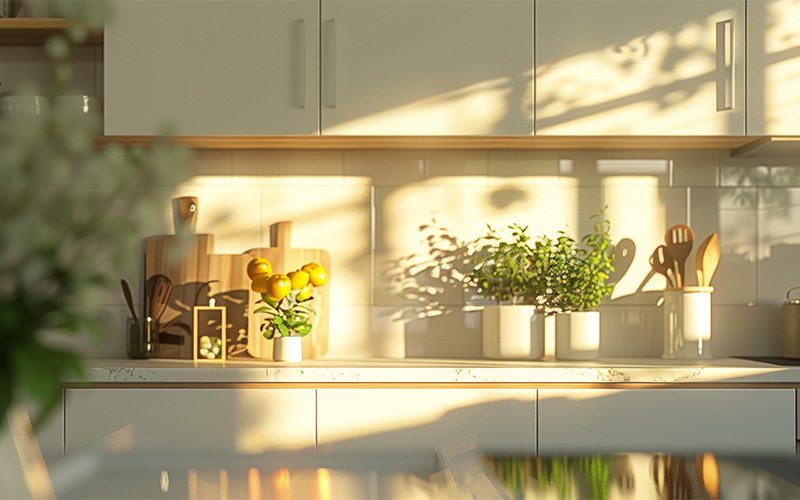
Natural light not only saves on electricity but also enhances the warmth and openness of your kitchen interior decoration. In Singapore, many flats have windows or even small balconies near the kitchen, making it important to maximise natural light. Avoid heavy curtains or window treatments that block light, and consider using reflective surfaces to bounce light around the space.
17. Ignoring Eco-Friendly Practices
With sustainability becoming a priority for many Singaporean households, integrating eco-friendly practices into kitchen interior decoration is a smart choice. Energy-efficient appliances, water-saving taps, and sustainable materials not only reduce your environmental footprint but also add value to your home.
18. Relying Too Heavily on Trends
Trends can be a great source of inspiration, but they shouldn’t be the sole driver of your kitchen interior decoration. What’s fashionable today may not suit your home or your needs in a few years. Instead, focus on timeless elements that offer both beauty and practicality.
19. Not Factoring in the Future
Kitchen interior decoration is an investment, so it’s wise to think about future needs as well. For growing families or those who love entertaining, flexible spaces and durable materials can be particularly valuable. Planning for your future will ensure your kitchen remains functional and enjoyable for years to come.
20. Not Planning for Proper Waste Disposal
One often overlooked aspect of kitchen interior decoration is planning for effective waste disposal. Without a designated and well-integrated system for rubbish and recycling, clutter and hygiene issues can arise quickly. In Singapore’s compact homes, where space is precious, including concealed bins within cabinetry or pull-out compartments can help maintain a clean and organised kitchen. Thoughtful waste management solutions not only support a functional space but also promote sustainable living practices.
Conclusion
A well-decorated kitchen is more than just a showcase for beautiful materials and trendy designs. In Singapore’s vibrant housing landscape, kitchen interior decoration must blend style with practicality to create a space that truly enhances daily life. By avoiding these common mistakes, you can create a kitchen that reflects your personality, supports your lifestyle, and adds value to your home. Take the time to plan, seek advice from professionals if needed, and never be afraid to put your unique spin on the space.
For more tips and ideas, visit Living Comforts and get the latest content to inspire your next kitchen project.
