
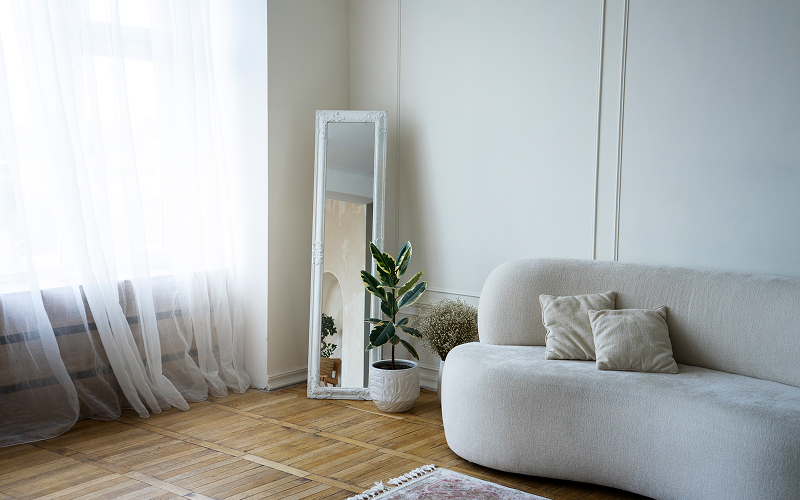
Creating a home that feels warm, stylish, and uniquely yours doesn’t always mean tearing down walls or spending a fortune. Sometimes, it’s the smallest tweaks that can give your living space an entirely new rhythm. From rearranging furniture to rethinking your lighting, even the most ordinary flat in Singapore can look like it’s straight out of a home magazine with a few clever tricks. Household interior design, after all, is less about big statements and more about how every little element works together to make your home feel alive.
The Power of Small Changes
Here’s the thing: most people think that refreshing household interior design requires a complete overhaul. But often, it’s the smaller moves that make the biggest difference. Think about how a simple swap from dull curtains to light-filtering ones can instantly open up your living room. Or how changing cabinet handles in your kitchen gives the entire space a subtle upgrade without breaking your budget.
In Singapore’s compact homes, it’s all about smart detailing. Using mirrors strategically in narrow hallways can effectively double your sense of space, while painting one feature wall in a calming shade can completely shift the room’s mood. Every home has its quirks, but with a few thoughtful touches, those quirks can turn into character. That’s the beauty of household interior design—it’s personal, adaptable, and often delightfully simple.
Even the smallest acts can have the greatest impact. Something as effortless as changing your rug or replacing bulky furniture with sleeker options can make a space breathe again. You’ll be surprised by how these micro-adjustments collectively transform how a home feels. And the best part? You don’t have to call an interior designer every time you need a change; sometimes, all you need is a fresh perspective and a weekend afternoon.
Utilising Colour
Colour has an uncanny way of shaping emotions. The right palette can make a room feel larger, cosier, or brighter without adding or removing a single piece of furniture. Neutral tones, for instance, are timeless in household interior design because they let your décor shine without feeling overwhelming. Pair off-white walls with wooden textures and muted fabrics, and suddenly your HDB flat feels warm and sophisticated.
However, colour is also deeply personal. While beige and white are calming, they can sometimes feel too safe. If you crave energy, try pops of bold tones like teal, mustard, or forest green. A single colourful wall can add vibrancy without overwhelming your senses. Singapore’s humid weather and abundant sunlight make natural shades work beautifully too, such as sand, sage, or clay.
It’s not just about paint, though. Colour sneaks in through artwork, throw pillows, and even kitchen tiles. Mix and match intentionally, and your household interior design will evolve naturally over time. You can also change colours seasonally if you love variety, using cool tones for the hot months and warmer hues for rainy evenings. The point is to have fun with it; your home should never feel like a showroom.
Let There Be Light and Texture
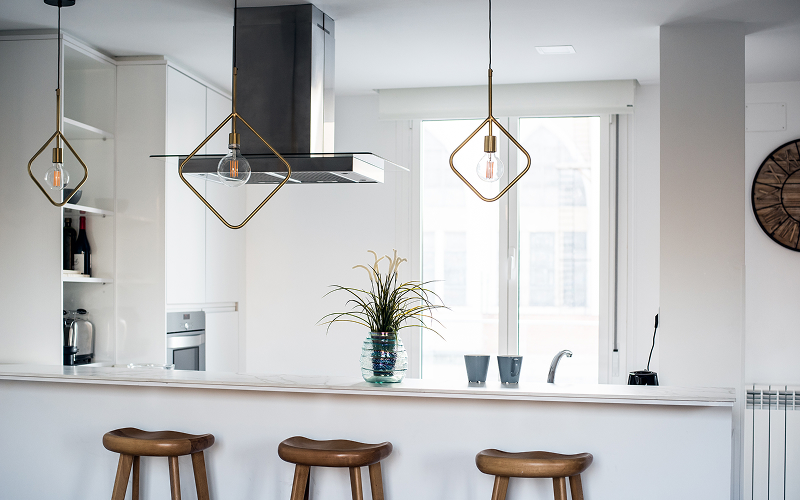
Lighting can change everything. The same room that feels flat in harsh white light can glow with personality under soft, warm tones. Whether it’s pendant lamps over your dining table or LED strips beneath your cabinets, lighting defines the atmosphere in household interior design. You might even consider layering your light sources, such as overhead, ambient, and task lighting, to create depth and versatility.
Natural light is your best friend, especially in Singapore. Avoid heavy curtains that block the sun. Opt for sheer fabrics that allow light to pass through while maintaining privacy. When natural light is limited, use warm-toned bulbs that mimic sunlight so your home still feels open and welcoming.
Texture is just as crucial. Pair a velvet cushion with a linen throw, or mix rattan with smooth marble. These combinations make your home feel tactile and lived-in. In modern high-rise apartments, texture gives warmth where concrete and glass dominate.
ALSO READ: How To Blend Comfort With Contemporary Minimalist Interior Design In Singapore
Rearranging: The Free Makeover
Here’s a secret that interior stylists rarely admit. Sometimes the best change costs nothing at all. Moving your furniture around can completely redefine your household’s interior design. Swap your sofa and dining area positions, or angle your reading chair towards the window to capture natural light. Even small shifts can create better flow and breathing space.
A layout that once made sense might suddenly feel off when life changes. Maybe you’re working from home now, or your children need more space to play. Experimenting with layout is like reinterpreting your home’s story. Always remember that the design should always reflect your lifestyle.
You could also rethink how each zone serves you. That underused corner could become a quiet meditation space, or a console table could double as a mini workstation. Household interior design works best when it’s functional, not fussy. A space that adapts to your daily rhythm will always feel right.
Add Personality Through Accessories
Accessories rarely take the centre stage, but they are equally essential. A mix of framed art, scented candles, or woven baskets can elevate your household interior design effortlessly. The goal is not to clutter but to curate. Choose pieces that speak to you, not just what’s trending.
Singaporeans love practical beauty, so pick décor that’s both aesthetic and useful. For instance, indoor plants such as snake plants or monstera add life while improving air quality. Similarly, handmade ceramics or framed travel photos can make your space feel instantly more personal. A few statement items can say more about your style than an entire furniture set.
Another trick is to use layering. Stack books, overlap frames, or group vases of different heights together to create visual depth. You don’t need to buy everything new; mix old heirlooms with modern pieces. That blend gives your home a lived-in charm that’s hard to replicate. Accessories are the soul of household interior design as they tell your story quietly, one corner at a time.
The Role of Texture and Scent
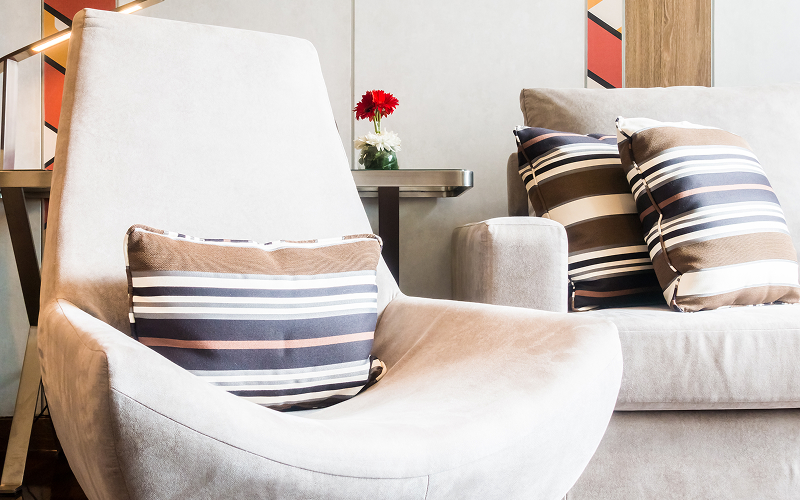
It might sound funny, but scent plays a quiet role in household interior design. The moment you walk into a home that smells like vanilla or lemongrass, you already feel something—comfort, relaxation, maybe even nostalgia. Add diffusers or soy candles in different rooms, but keep them subtle so the scents don’t compete.
Texture, on the other hand, gives your home a sense of depth. A plush rug beneath your feet, a rough brick feature wall, or silky cushions can each add a layer of comfort and contrast. It’s these small, sensory experiences that make your home not just look beautiful but feel inviting.
You can even mix textures intentionally to set a mood. A glossy table next to a woven chair creates visual interest. If you prefer minimalism, add texture through textiles rather than colour. It’s a quiet sophistication that never goes out of style, especially in small Singapore flats where less is often more.
Embrace Natural Elements
Nature has a calming presence that modern interiors often lack. Bringing the outdoors in through plants, wooden furniture, or stone finishes instantly warms up any room. For Singapore households, adding greenery is particularly rewarding since our climate allows most indoor plants to thrive.
You can even mimic nature through household interior design materials. Think rattan light fixtures, bamboo blinds, or jute rugs. Not only do they look great, but they also add an eco-friendly touch that’s increasingly appreciated in today’s homes.
Water features, pebbled textures, and natural light also contribute to that tranquil, organic feel. Even something simple like a window herb garden can make your space feel more alive.
ALSO READ: An Eco-Friendly HDB Renovation Guide In Singapore Made Simple
Rethinking Storage and Organisation
A clutter-free home is always believed to have a positive psychological effect. But functional design doesn’t have to mean plain. Built-in shelves, hidden cabinets, and multi-purpose furniture make household interior design smarter without compromising on style.
Think of a storage bench that doubles as extra seating, or floating shelves that frame your workspace. Even small additions like woven baskets or acrylic organisers can make everyday life smoother. The trick is to merge practicality with personality because a well-organised home feels naturally stylish. Open shelving can also act as display space for your favourite items. It creates balance between order and creativity.
Sustainable Style: The New Chic
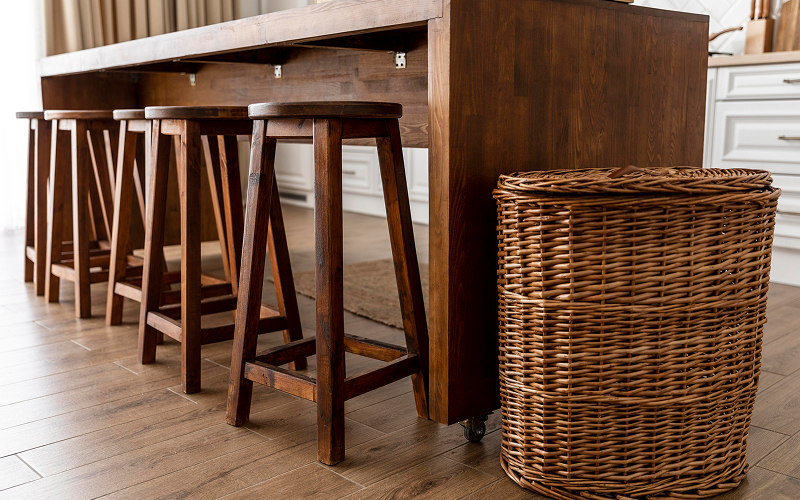
There’s something quietly elegant about sustainable living. Choosing long-lasting, responsibly made pieces adds not just value but meaning to your home. Upcycling old furniture, reusing materials, or shopping from local artisans contributes to a story that’s uniquely yours.
In Singapore, many homeowners are embracing eco-conscious household interior design. They’re swapping synthetic fabrics for organic cotton and choosing LED lights for energy efficiency. It’s not just about following trends; it’s about creating a space that aligns with your values.
Repainting old furniture, sourcing from second-hand markets, and supporting local craftsmen can make your interior feel both fresh and responsible. Sustainability, when woven into design, makes your home more grounded and timeless.
Final Words
Refreshing your home doesn’t require a grand budget or professional makeover. Often, it’s the small choices, the paint you pick, the way you position your sofa, or even the fragrance that greets you at the door, that shape how your home feels.
Want more creative ideas like these? Visit Living Comforts to get the latest content on home styling, décor inspiration, and more.
