
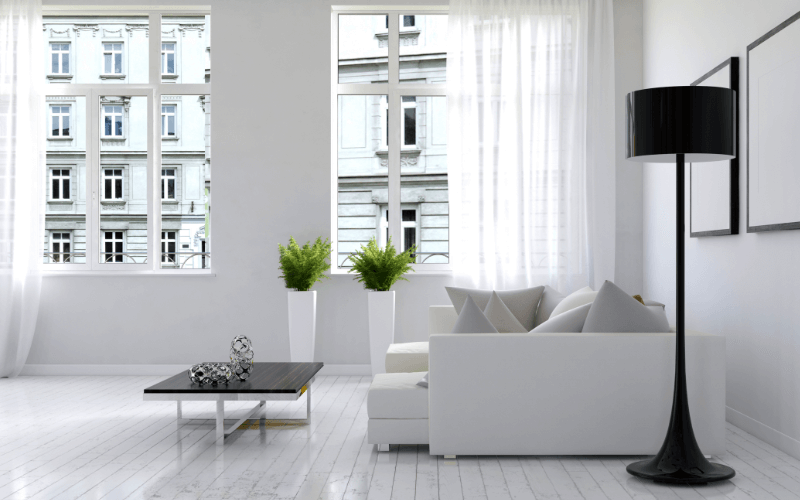
Monochrome interior design is a sophisticated and timeless choice for creating stylish, cohesive spaces. Whether you prefer sleek modernity or classic elegance, mastering the art of a monochrome room design can transform your home. This guide will explore essential monochrome interior design ideas and practical interior design tips to help you achieve a balanced and visually striking aesthetic.
What is Monochrome Interior Design?
At its core, monochrome interior design involves using a single colour as the dominant palette, enhanced by varying tones, shades, and textures. While black and white are the most popular choices, other colours like grey, beige, or even navy can be used to create a monochromatic scheme.
This type of interior design highlights harmony and simplicity, creating a space that is much more unified and elegant. It is perfect for those who are fond of minimalism with a touch of elegance.
Choosing the Right Colour Palette
The very step in mastering monochrome room design is picking the right colour palette.
Consider the following:
- Neutral tones: Shades like white, grey, or beige work well for creating serene and timeless spaces.
- Bold tones: Black, navy or deep green can make a dramatic impact, especially in larger rooms or spaces with ample natural light.
- Accent shades: Monochrome doesn’t mean monotonous. Subtle pops of metallics, pastels, or natural wood can complement the primary palette.
Picking the right color palette that aligns with your mood and the room’s functionality is one of the hallmarks of monochrome interior design. For instance, soft greys are suitable for relaxing bedrooms, while high-contrast black-and-white schemes work well in dynamic spaces like living rooms or kitchens.
Layering Tones and Textures
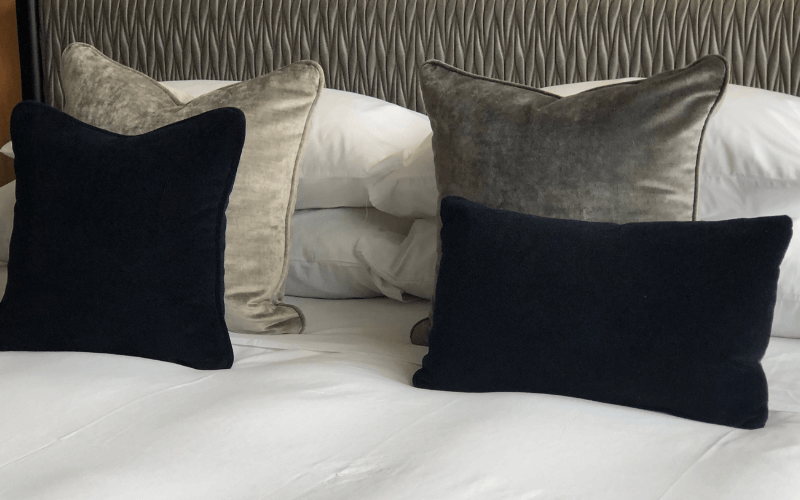
One of the common misunderstandings about monochrome interior design is that sometimes it appears flat or boring. The solution to this is to add layering tones and textures.
Here’s how:
- Vary the tones: Incorporate light, medium, and dark shades of the chosen colour to add depth. For instance, a white monochrome scheme could include off-white walls, ivory furniture, and cream accents.
- Mix materials: Combine matte and glossy finishes, soft fabrics, and hard surfaces. For example, a living room can feature velvet cushions, a sleek marble coffee table, and a plush rug.
- Use patterns: Subtle patterns, such as stripes, geometrics, or organic motifs, can break the monotony while staying within the colour scheme.
This approach creates visual interest and prevents the room from feeling one-dimensional.
Focus on Lighting
One of the secrets of creating a monochrome interior design is by incorporating lighting. Proper lighting enhances the tonal variations and textures within the space. Consider these tips:
- Layered lighting: Use a combination of ambient, task, and accent lighting to highlight different elements in the room.
- Statement fixtures: Monochrome spaces benefit from bold lighting fixtures, such as pendant lights or sculptural lamps, to serve as focal points.
- Natural light: Maximise natural light by using sheer curtains or strategically placing mirrors to reflect sunlight.
Experimenting with lighting can dramatically elevate the atmosphere of a monochrome room.
Furniture and Accessories in Monochrome Spaces
Selecting the right furniture and accessories is vital to executing a cohesive monochrome room design. Here’s what to consider:
- Complementary furniture: Opt for furniture that aligns with your chosen palette. For a black-and-white scheme, choose pieces with clean lines in contrasting tones, such as a white sofa with black legs.
- Accent pieces: Add interest with metallic or glass elements. For example, a chrome side table or a mirrored console can elevate the overall design.
- Art and décor: Minimalist artwork, monochromatic cushions, and textured throws can add character without disrupting the theme.
Strike a balance between functionality and aesthetics to maintain the elegance of the space.
Monochrome Interior Design Ideas for Different Rooms
Living Room
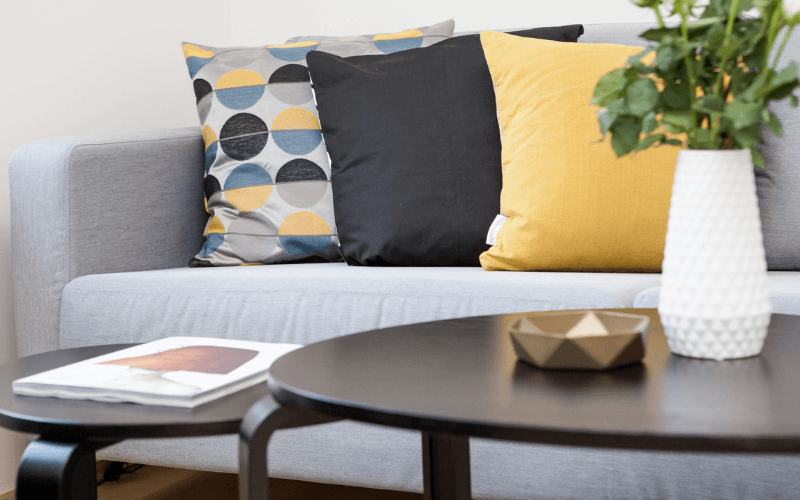
Create a statement with contrasting furniture, such as a black coffee table paired with a white sofa. Use layered rugs and cushions for added comfort and texture.
Bedroom
Keep it calm and cosy with soft grey tones on the walls and bed linen. Add darker accents like charcoal headboards or bedside tables for contrast.
Kitchen
For a modern monochrome kitchen, pair white cabinets with black countertops. Use sleek finishes like glossy tiles or stainless steel for a contemporary touch.
Bathroom
Go bold with black tiles and white fixtures, or opt for a lighter palette with grey marble and silver accents. Add monochrome artwork or towels to complete the look.
Common Mistakes to Avoid
- Overdoing contrast: While contrast is important, too much can make the space feel disjointed. Balance light and dark tones evenly.
- Neglecting texture: A flat monochrome design can feel cold or uninviting. Layer textures to keep it visually engaging.
- Ignoring scale: Ensure furniture and décor are proportionate to the space, as monochrome designs can exaggerate imbalances.
Conclusion
Mastering monochrome interior design requires a thoughtful approach to colour, texture, and lighting. By experimenting with tones, layering materials, and carefully curating furniture and accessories, you can create a space that is both stylish and timeless. With these interior design tips, your home can exude sophistication and charm, proving that monochrome is far from monotonous.
ALSO READ: 4 Trailblazing Interior Designers in Singapore You Should Know
