
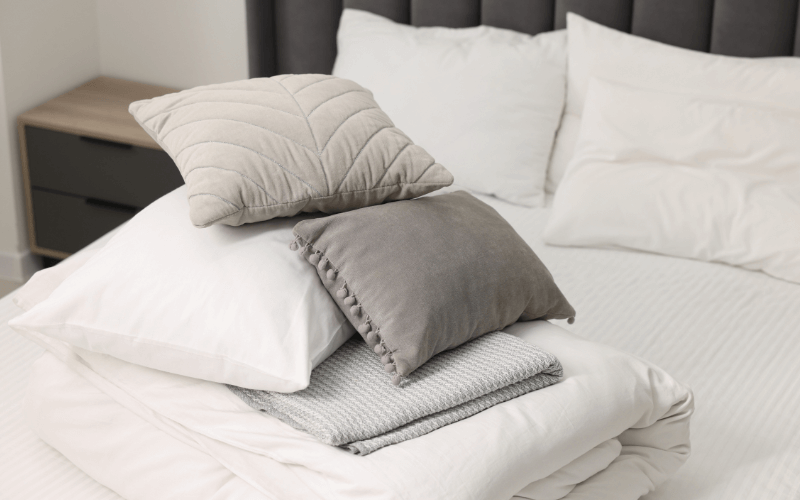
When it comes to maintaining a clean and healthy sleeping environment, pillowcase hygiene is often overlooked. While you may regularly wash your sheets, the frequency with which you change your pillowcases can significantly affect your health and sleep quality. Below are some shocking truths about pillowcase hygiene and how often you should be swapping them out.
1. Pillowcases Accumulate Bacteria Fast
You might not realise how quickly pillowcases can accumulate bacteria. Throughout the night, your skin and hair transfer natural oils, dead skin cells, sweat, and even traces of makeup to your pillowcase. This, in turn, provides an ideal breeding ground for bacteria. If pillowcases aren’t changed regularly, bacteria buildup can increase the risk of breakouts, allergies, and even respiratory issues. To maintain good pillowcase hygiene, it’s recommended to change them at least once a week.
In pet-friendly homes, where pets may sleep on the bed or pillow, changing pillowcases frequently becomes even more important to maintain cleanliness and reduce allergen exposure.
2. Dirty Pillowcases Can Affect Your Skin
Pillowcases come into direct contact with your face every night, meaning that the cleanliness of your bedding plays a crucial role in the health of your skin. Dirty pillowcases can clog pores, leading to acne and other skin irritations. If you have sensitive or acne-prone skin, changing your pillowcases more frequently — every three to four days — can help prevent these issues. This simple practice is one of the best ways to reduce the effects of dirty pillowcases on your skin.
ALSO READ: 8 Essential Natural Ingredients For A Cleaner, Greener Home
3. Allergens Build Up Quickly
For those who suffer from allergies, dirty pillowcases can make symptoms worse. Dust mites, pet dander, and other allergens can collect on your pillowcase, leading to nasal congestion, sneezing, and even coughing during the night. Regular washing of your pillowcases is crucial to prevent these allergens from accumulating. If you’re particularly sensitive, consider changing your pillowcase every few days and using hypoallergenic pillow covers to minimise exposure.
4. Best Practices for Pillowcase Care
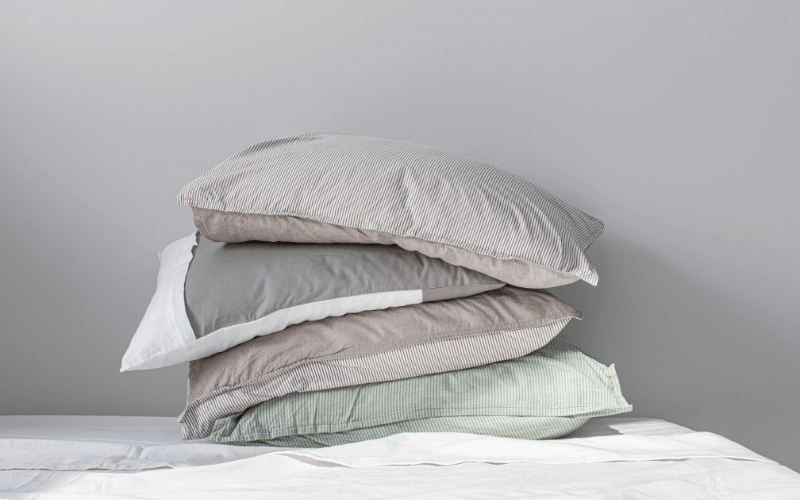
Maintaining pillowcase hygiene involves more than just frequent washing. The effects of dirty pillowcases can include skin irritation and breakouts, so how you wash and dry them is just as important. Use hot water to kill bacteria and dust mites, and ensure pillowcases are fully dried before using them again. It’s also important to choose a gentle detergent, especially if you have sensitive skin or live in a pet-friendly home, to avoid irritations. Following these best practices for pillowcase care will ensure that you’re changing your pillowcases regularly and maximising their cleanliness and longevity.
5. The Effects of Dirty Pillowcases on Sleep Quality
It’s not just your skin and allergies that can be affected by a dirty pillowcase; your sleep quality can suffer. Pillowcases that haven’t been changed for a while can harbour odours, making your bed less inviting and disrupting sleep. Fresh pillowcases, on the other hand, contribute to a more comfortable and pleasant sleeping environment, helping you relax and improve your overall rest. Clean bedding is essential for maintaining good sleep hygiene, which in turn supports your general health and wellbeing.
6. Preventing Bacteria Buildup
To prevent bacteria buildup and maintain pillowcase hygiene, there are a few simple steps you can follow. As mentioned, changing your pillowcases at least once a week is critical. However, if you sweat heavily during the night or have oily skin, increasing this frequency may be necessary. Consider rotating between several pillowcases to ensure you always have a clean one ready. Also, washing your face before bed can help reduce the amount of oil and dirt transferred to your pillow, further preventing bacteria buildup.
Conclusion
Regularly changing your pillowcases is essential for maintaining a healthy sleeping environment. From reducing bacteria buildup to improving skin health and allergy symptoms, fresh pillowcases can make a significant difference in your overall well being. By following the best practices for pillowcase care and ensuring they are cleaned weekly, you can enjoy a cleaner, more restful night’s sleep.
For more insights on lifestyle and home living, visit Living Comforts’ website today.
