
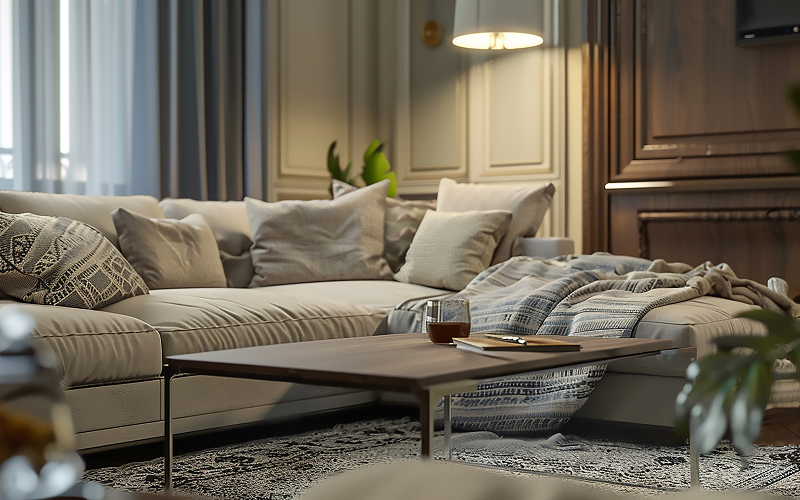
Home continuously evolves with life itself. Families grow, routines change, and tastes shift, yet the best spaces adapt without losing comfort or style. Designing for longevity means crafting a home that feels relevant years down the line; one that matures gracefully with its owners.
Modern lifestyles demand flexibility. A living room may become a workspace, a dining area may double as a classroom, and even corners can transform into reading spots or workout zones. Every inch holds potential when used intentionally. The challenge lies in designing with foresight, creating layouts and details that anticipate change instead of resisting it.
Living space design ideas now focus on purpose and personal connection rather than decoration alone. A well-planned interior should not only look appealing but also serve evolving habits. The goal is lasting comfort; spaces that simplify daily life, nurture well-being, and feel timeless regardless of trends.
Designing for living is about making decisions that matter: every wall colour, lighting fixture, and furniture choice contributes to how a space functions and feels long term. Let us explore the strategies for designing homes that age gracefully, remain functional, and continue to inspire day after day.
Knowing the Purpose of Your Space
Every living area has a story, reflecting lifestyle, habits, and needs. Designing a space that continues serving over time requires a balance between practicality and comfort. Living space design ideas begin with identifying how each area functions daily. A home that feels cohesive relies on understanding what each room supports: rest, productivity, or gathering.
Open layouts remain popular because they allow flexibility. However, defining boundaries between work, leisure, and relaxation improves usability. Rugs, furniture placement, and lighting serve as invisible dividers, ensuring every area has a specific role. Small homes, in particular, benefit from zoning strategies that make rooms multitask without feeling cramped.
Visual flow contributes significantly to how space feels. Repeating shapes or tones across rooms connects one area to another. Instead of filling every corner, allowing breathing room improves aesthetics and comfort. Simple living space design ideas, such as symmetry, rhythm, and repetition, establish visual harmony, enhancing spatial awareness without cluttering.
Prioritising Functionality and Flow
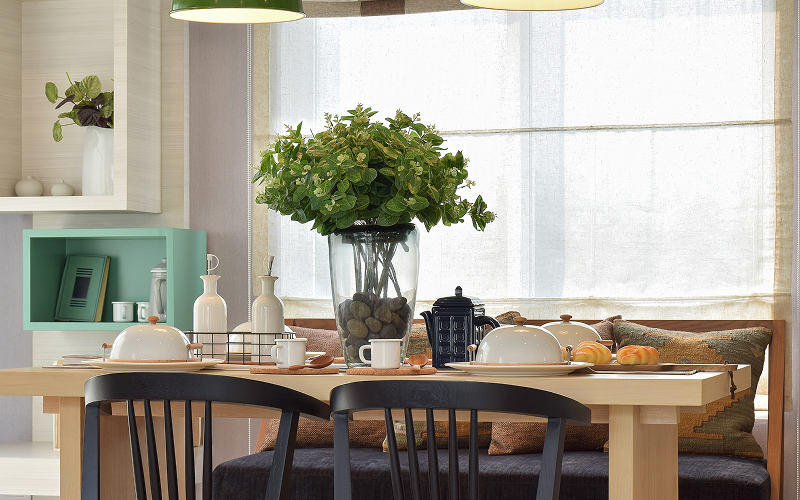
Effective home design thrives on purpose. Functionality supports daily habits while maintaining an aesthetic appeal. Every piece of furniture must justify its space. Multipurpose furniture, like modular sofas or extendable dining tables, ensures adaptability as living arrangements evolve.
Movement within the home should feel seamless. Arranging furniture to promote easy circulation helps avoid cramped corners and blocked pathways. Large items should anchor the layout, creating balance while keeping visual weight distributed evenly.
Storage plays an essential role in functionality. Hidden compartments, vertical shelving, and under-bed drawers reduce clutter while maintaining a clean appearance. Minimalist living space design ideas focus on simplicity and organisation rather than accumulation. Every design decision should enhance efficiency and encourage tidiness.
Lighting, too, defines functionality. Layered illumination: ambient, task, and accent lighting; creates depth while adjusting to activities. Incorporating dimmers and adjustable fixtures allows spaces to shift moods without redesigning the entire layout.
Creating a Visual Connection Between Rooms
A cohesive home design connects areas visually through texture, tone, and pattern. Consistency in colour schemes unites different rooms while still allowing individuality. Muted neutrals, soft earth tones, and subtle contrasts maintain harmony while offering a timeless backdrop for accent pieces.
Flooring continuity also strengthens the connection. Maintaining similar materials, such as wooden floors or tiles, creates an uninterrupted flow. For homes with open-concept layouts, changing materials slightly between zones defines functions without closing the space visually.
Décor elements help link spaces emotionally. Wall art, soft furnishings, and plants carry recurring themes that tie everything together. Curating these with restraint keeps spaces elegant yet inviting. Thoughtful repetition ensures familiarity without redundancy.
Living space design ideas often succeed through rhythm and proportion rather than ornamentation. Using consistent visual anchors like mirrors, lighting fixtures, or curtains reinforces design unity, ensuring transitions between spaces feel natural.
Designing for Long-Term Adaptability
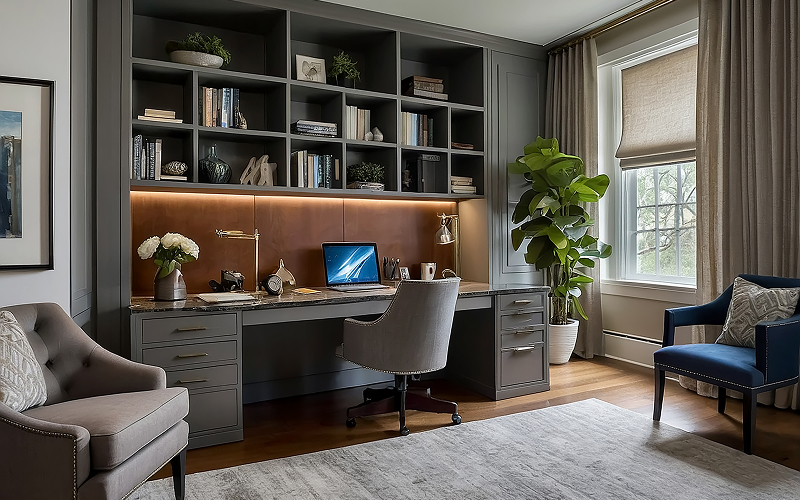
A well-designed living space anticipates future adjustments without requiring complete overhauls. Investing in timeless furniture and neutral finishes allows flexibility to accommodate new purposes.
Adaptability begins with modular thinking. Shelving systems, adjustable lighting, and moveable partitions transform layouts without structural changes. Convertible furniture, such as sofa beds, nesting tables, and foldable desks, serves new roles as life progresses.
Children growing up, ageing family members, or working-from-home arrangements influence how homes function. Designing with flexibility reduces renovation stress. Neutral walls, durable materials, and universal design principles, like accessible storage and wider doorways, can also accommodate future needs.
Using materials that age well, like solid wood, natural stone, and recycled metals, guarantees durability. Long-term living space design ideas should focus on sustainable solutions, where quality investments reduce waste and preserve style, aligning practicality with environmental consciousness.
Maximising Natural Light and Ventilation
Light shapes mood, perception, and comfort. Spaces illuminated naturally appear larger, fresher, and more welcoming. Positioning furniture to capture daylight enhances comfort while lowering dependence on artificial light.
Curtains and blinds should complement rather than block natural flow. Sheer fabrics diffuse sunlight, creating soft illumination that enhances textures. Reflective surfaces such as mirrors or light-toned walls amplify brightness, distributing it evenly across rooms.
Cross-ventilation keeps interiors fresh and reduces humidity. Strategically placed windows and open layouts promote airflow. Ceiling fans and air circulators sustain ventilation without compromising style. Living space design ideas that integrate airflow management keep homes healthier and more energy-efficient.
Artificial lighting should mimic natural warmth. Warm white tones foster comfort, while cool lights energise work zones. Balanced illumination ensures activities remain efficient without straining vision.
Blending Comfort with Aesthetics
A visually pleasing space must feel comfortable. Comfort extends beyond physical ease; it includes sensory satisfaction and emotional connection. Soft fabrics, ergonomic furniture, and calming palettes cultivate tranquillity.
Textures also add personality and reduce dullness. Combining materials like wood, linen, and metal introduces contrast without clutter. Layering cushions, rugs, and throws softens interiors, creating a lived-in warmth.
Scents also influence the atmosphere, which is why incorporating natural aromas through candles or diffusers enhances relaxation. Small touches, like framed photos, plants, or meaningful objects, ground living spaces in personal identity.
Balanced comfort keeps homes timeless. Overly decorative designs often lose charm quickly, while understated elegance endures. Living space design ideas should emphasise tactile satisfaction to ensure functionality blends with personal warmth.
Smart Storage and Decluttering Techniques
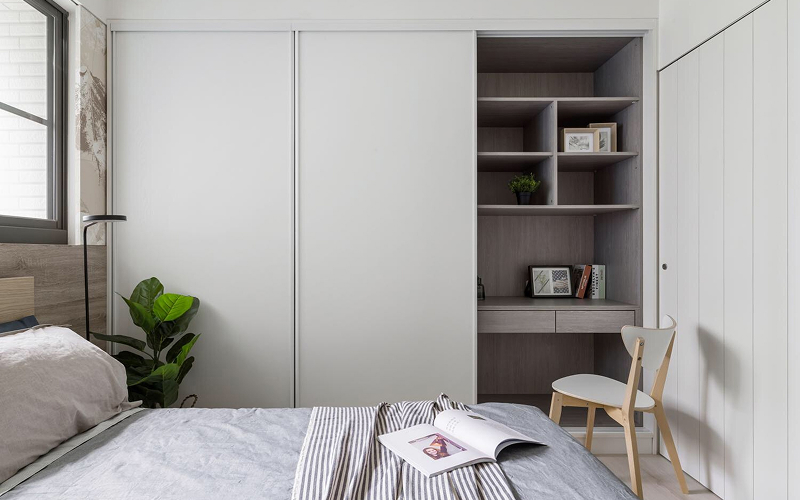
Clutter-free homes project calmness and order. Smart storage solutions elevate design while enhancing usability. Vertical thinking practices the use of wall-mounted shelves or tall cabinets to maximise small spaces efficiently.
Hidden storage maintains clean lines. Ottomans, bed bases, and benches with built-in compartments combine functionality and style. Drawer organisers and modular wardrobes streamline access while preserving aesthetics.
Decluttering should become routine, not an occasional task. Regularly evaluating possessions keeps interiors fresh. Thoughtful organisation aligns with sustainable living, reducing unnecessary accumulation.
Minimalist living space design ideas celebrate space itself as décor. Negative space draws attention to quality pieces, creating visual balance. Functionality becomes beauty when items have a clear purpose and placement.
Infusing Personality Through Design
Every home tells its story through décor choices. Personality emerges from colour preferences, furniture selection, and displayed memories. A well-personalised space remains authentic yet cohesive.
Colour psychology influences emotional tone. Blues and greens relax, while warmer hues energise. Choosing tones aligned with personality creates harmony between self and environment.
Artwork and decorative accessories also reflect individuality. Mixing contemporary pieces with sentimental objects produces depth. However, the primary goal here lies in curating, not accumulating. Thus, selecting meaningful elements that resonate emotionally can prevent overwhelming the space.
Living space design ideas incorporating cultural motifs or handcrafted décor create uniqueness. Integrating textures or patterns inspired by local artistry transforms ordinary rooms into personal sanctuaries.
Sustainability in Everyday Design
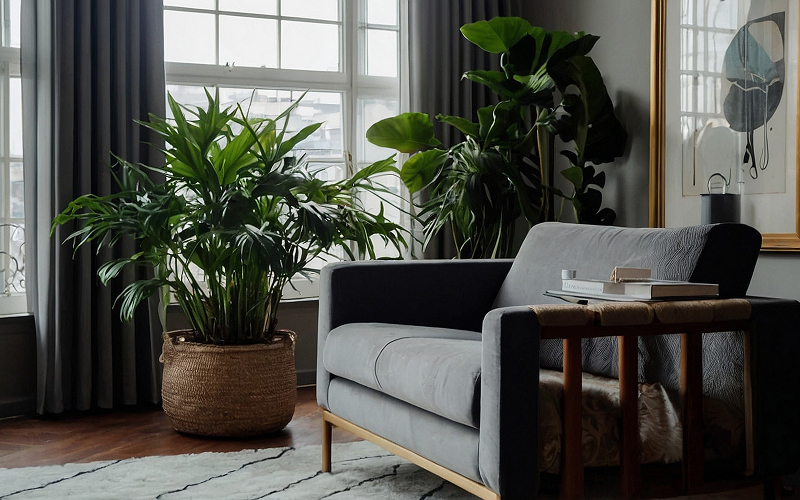
Sustainable design strongly represents mindful living. Today, many homeowners are choosing eco-friendly furnishings and durable materials to combat and reduce long-term waste. Bamboo, reclaimed wood, and recycled glass support responsible consumption. Sustainable living space design ideas evolve continuously, adapting new technologies and materials that complement eco-conscious lifestyles.
Energy-efficient appliances, LED lighting, and proper insulation lower the environmental footprint while saving costs. Indoor plants improve air quality and add vitality. Water-saving fixtures and solar-powered elements make the design conscious and future-ready.
Sustainability also means investing in pieces built to last when fast furniture trends often sacrifice durability. Prioritising craftsmanship and quality ensures longevity, aligning aesthetic aspirations with responsible living. Responsible design encourages thoughtful ownership, nurturing harmony between comfort and conservation.
Transforming Small Spaces into Functional Havens
Compact homes demand precision. Every decision—colour, layout, or furniture—impacts spatial perception. Light colours and mirrors expand visual space, creating openness.
Furniture scaling defines comfort. Oversized pieces overpower small rooms, while proportionate selections enhance fluidity. Floating shelves, foldable desks, and compact seating offer flexibility.
Using height effectively maximises storage without crowding. Hanging plants or wall-mounted art adds vertical interest. Multi-use furniture becomes essential, transforming living areas from day to night functions.
Compact living space design ideas prioritise openness and mobility. Visual lightness, clutter-free organisation, and continuity in design create an illusion of spaciousness even within smaller footprints.
Revitalising Underused Spaces
Unused nooks, alcoves, and corners hold untapped potential. Reimagining them boosts efficiency and adds value without expanding the footprint.
A hallway niche can become a mini library by using floating shelves. Staircase landings turn into quiet reading spots. Even window ledges can turn into storage or seating with minimal effort.
Lighting plays a transformative role; spotlights, wall sconces, or concealed LED strips turn forgotten corners into highlights. Living space design ideas that recognise these overlooked zones elevate functionality while keeping interiors distinctive.
Adaptive design thrives on creativity, where every hidden pocket offers opportunity for beauty and utility. When fully realised, a once-forgotten corner becomes an essential character within the home’s story.
Integrating Technology Seamlessly at Home
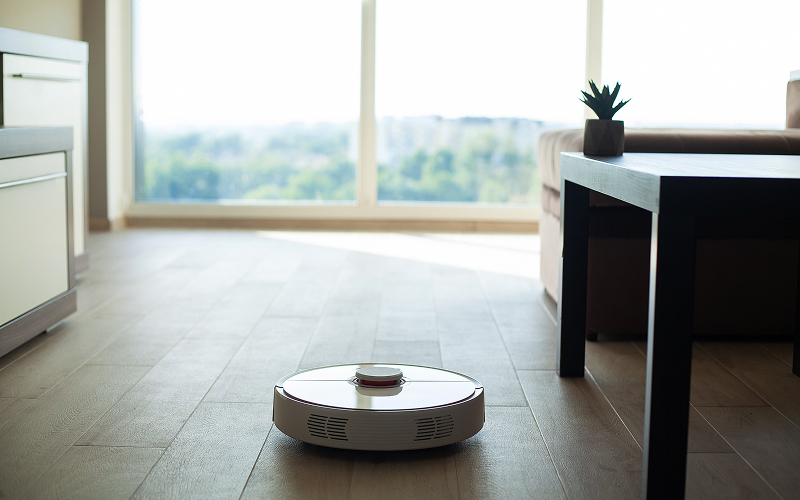
Smart homes have become part of daily living. Integrating technology into design means improving comfort, convenience, and control without cluttering aesthetics. Modern living space design ideas are embracing discreet technology that blends into interiors while enriching life.
Lighting automation adjusts brightness based on natural daylight. Smart thermostats learn temperature preferences, keeping rooms comfortable while conserving energy. Additionally, there are wireless charging tables, hidden outlets, and voice-controlled systems that can create efficiency without visual disruption.
Some designers also prioritise wiring and placement early in the planning stage, concealing cables and hubs behind cabinetry or panels. Thoughtful positioning of speakers, routers, and sensors ensures technology enhances instead of intruding, and the key lies in subtlety, letting innovation complement the environment rather than dominate it.
Technology also supports sustainability. Energy monitors, automated blinds, and motion-sensing lights minimise waste. Integrating digital convenience into living space design ideas reflects a forward-thinking mindset, blending modern function with enduring form.
Designing Multi-Generational Living Spaces
Modern homes increasingly accommodate several generations under one roof. Achieving comfort for everyone requires thoughtful spatial planning. Each member’s routine and privacy need to be recognised while preserving togetherness.
Zoning proves vital. Private retreats, such as bedrooms, reading corners, or study zones, should coexist with shared areas that encourage connection. Using partitions or sliding doors provides flexibility without permanent separation. Soft acoustics, layered lighting, and inclusive pathways promote comfort for all ages.
Accessibility supports longevity. Step-free entrances, lever handles, and adjustable countertops make daily movement easier. Layering safety into design eliminates the need for future structural changes. Living space design ideas that anticipate age or mobility shifts prevent costly modifications later.
Multi-generational homes thrive on balance. Shared kitchens or family lounges serve as anchors of connection, while quiet spaces promote independence. When executed well, the design nurtures community while respecting individuality, which is one of the hallmarks of living spaces built to endure.
Blending Indoor and Outdoor Living
Connection to nature enhances well-being and expands our perception of space. Blurring indoor-outdoor boundaries creates visual continuity and invites fresh air, sunlight, and relaxation into daily routines.
Large windows, sliding glass doors, and open terraces can merge interiors with greenery. Indoor plants bridge the transition further, adding texture and freshness. Using similar flooring or colour palettes extends this continuity.
Outdoor seating zones, even on small balconies, encourage mindful moments. Weather-resistant furniture, layered lighting, and vertical gardens create inviting retreats for relaxation. Living space design ideas now emphasise this harmony between shelter and openness.
Functional flow also matters. Designing doorways for a smooth transition ensures energy efficiency without trading comfort. Folding or retractable panels keep spaces flexible according to the weather or the occasion. A thoughtfully connected indoor-outdoor space offers emotional lift and visual calm.
Balancing Colour, Texture, and Light
Colour dictates mood. Texture defines depth. Light reveals character. Combining these elements with restraint crafts harmony that lasts. Instead of chasing trends, grounding design in balance ensures timelessness.
Layering colours through accents rather than large surfaces maintains flexibility. Neutral walls paired with soft furnishings in richer tones add personality without visual fatigue. Natural textures, such as linen, wood, and stone, introduce warmth and authenticity.
Lighting completes the story. A balance of task and ambient illumination keeps functionality intact while creating mood variation. Accent lighting draws attention to focal points and adds a level of sophistication.
Living space design ideas thrive on sensory richness. Combining cool and warm tones, smooth and rough surfaces, and bright and dim moments creates rhythm and personality. Design succeeds when spaces engage with sight and touch equally.
Making Furniture Work Harder
Every piece counts. Furniture should perform multiple roles: storage, seating, or display, all without sacrificing comfort. Selecting smart pieces can transform a limited space into adaptable environments suited for comfort and utility.
Expandable tables, modular sofas, and nesting stools evolve with lifestyle changes. Movable furniture offers flexibility when entertaining or reorganising layouts. Even traditional pieces, like credenzas or benches, can double as storage or partitions.
Proportion also dictates comfort, which is why furniture should align with the room scale, leaving enough circulation. Compact homes benefit from visual lightness, such as slim legs, transparent materials, and low profiles, which maintain openness.
Function merges with aesthetics in the best living space design ideas. Curating with intention ensures longevity and prevents unnecessary accumulation. Pieces chosen thoughtfully remain relevant long after trends fade.
Creating Dedicated Work and Study Areas
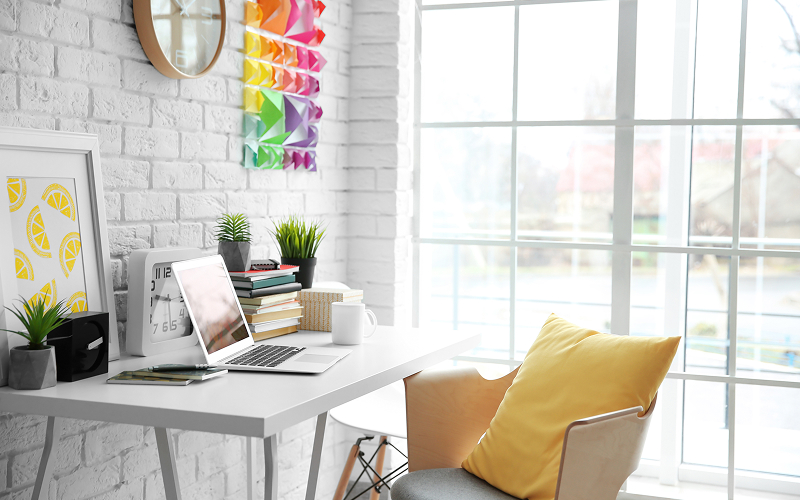
Hybrid lifestyles blur the boundaries between professional and personal. Designing focused work zones helps maintain productivity and mental separation.
Positioning workspaces near natural light reduces fatigue and increases alertness. Ergonomic chairs and adjustable desks maintain posture comfort. Using acoustic dividers or bookshelves as barriers establishes focus without isolation.
Cable management maintains visual order. Concealing wiring and integrating built-in sockets streamlines appearances. Decorative elements such as framed art or indoor plants soften the environment, bridging professional function and home warmth.
Living space design ideas increasingly highlight home offices as extensions of living rooms or bedrooms rather than isolated corners. Multi-use layouts support modern routines, transforming quickly from task mode to relaxation without disruption.
Building Homes That Reflect Lifestyle
Every decision, from layout to décor, expresses how people live, rest, and connect. Thoughtful design bridges function and personality effortlessly.
A minimalist might embrace clean lines and muted palettes, while eclectic individuals prefer layered textures and striking contrasts. The secret lies in authenticity. Spaces must resonate with daily rhythm, not just appearance.
Integrating hobbies into the layout deepens the connection. A small music corner, home gym, or creative workstation adds vitality. Living space design ideas that align with lifestyle encourage consistent engagement with surroundings.
Revisiting interiors periodically ensures they stay aligned with new priorities and aspirations. Living in harmony with one’s environment brings lasting satisfaction far beyond visual appeal.
ALSO READ: Why Eclectic Interior Design Works For Bold Personality Bedrooms
Designing for Emotional Longevity
A home that endures emotionally offers calm, inspiration, and a sense of belonging. Designing for emotional longevity means creating rooms that adapt to the people living in them.
Colours also heavily influence mood. Soft neutrals encourage relaxation, while warmer shades promote energy and conversation. Natural textures such as wood, linen, and clay create grounding effects, keeping rooms inviting even as trends shift. Living space design ideas built around emotional well-being rely on sensory details that soothe the mind while engaging the senses.
Lighting contributes to this harmony. Gentle illumination in the evening mimics sunset tones, guiding the body to rest. Brighter lighting during the day encourages productivity. The right light balance helps sustain mental clarity while preserving a welcoming feel.
Sound also matters. Cushioned furniture, curtains, and rugs absorb echoes to create serenity in busier homes. A quiet interior feels more spacious and restorative, allowing residents to focus or unwind without distraction.
A home that nurtures emotional longevity respects personal rituals. Whether it is morning coffee by the window, evening reading in a cosy nook, or family gatherings in the dining area, design should reinforce these daily habits. Emotional design connects deeply to memory, making every space feel personal and lived in.
Creating Flexibility for Future Needs
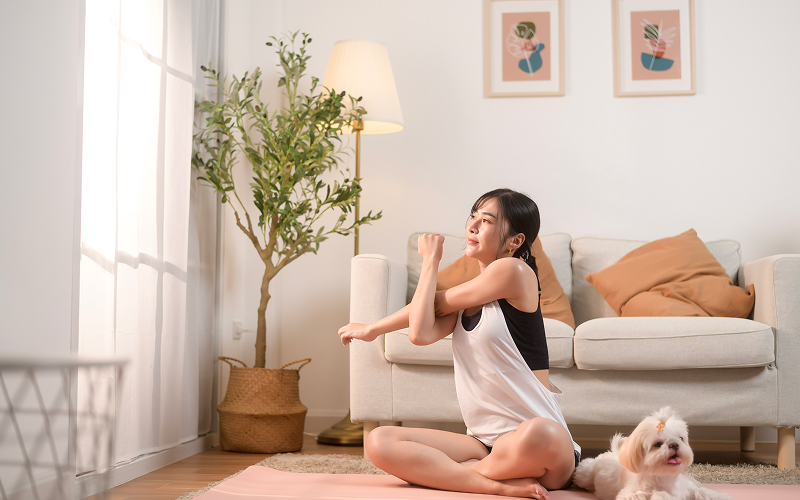
Life never stands still, so a flexible layout allows rooms to evolve without extensive renovation.
Modular furniture plays a key role in flexibility. Pieces that separate, reassemble, or move easily accommodate new functions. A former study corner may later serve as a nursery or hobby space. Neutral finishes and simple designs help each transition feel natural.
Spatial planning predicts growth. Movable dividers or sliding panels create new zones whenever required. Storage expansion through vertical shelves or retractable units maintains order while preventing overcrowding.
Technology integration continues to support adaptability. Wireless systems make rearranging electronics and lighting effortless. The most effective living space design ideas anticipate progression instead of reacting to it.
Long-term flexibility keeps homes relevant, no matter how life shifts. It allows families to refresh their environments while preserving the foundation of comfort and familiarity.
Cultivating Joy and Everyday Beauty
Beyond structure and utility, beauty completes the experience of home. Small details, be it a painting, a vase of fresh flowers, or a perfectly placed rug, can create joy in ordinary moments.
Curating décor intentionally avoids visual overload. Every item should contribute to the home’s story. Seasonal touches such as new cushion covers, curtains, or floral arrangements refresh interiors without major cost. Living space design ideas that celebrate small changes demonstrate how beauty thrives in simplicity.
Natural elements heighten pleasure in daily living. Sunlight filtering through curtains, indoor greenery, or gentle breezes entering through open windows enliven the senses. Thoughtful placement of mirrors and reflective surfaces amplifies this interaction, filling spaces with vibrancy.
A joyful home also respects proportion and rhythm. Balanced arrangements and harmonious colour coordination invite calm. Symmetry gives order, while asymmetry sparks interest. Alternating these design principles keeps interiors alive and visually engaging.
Homes that radiate beauty and joy do not require perfection. They only need intention. Living becomes richer when every glance around the room reminds its occupants of comfort, growth, and gratitude.
Conclusion: Living with Purpose and Style
Every decision, from layout to décor, shapes how life unfolds inside the home. By embracing thoughtful planning, flexibility, and emotional awareness, homeowners create environments that stay relevant and fulfilling for years.
Practicality drives good design, but personality gives it life. Homes thrive when they reflect both function and individuality. The best living space design ideas succeed not by following fleeting trends but by supporting how people truly live: balancing utility, beauty, and comfort in perfect rhythm.
Longevity in design rests on simplicity, sustainability, and authenticity. A well-designed home adapts, breathes, and welcomes change while maintaining its essence. Creating such a space transforms living itself into an ongoing art form, one that mirrors growth, celebrates memories, and nurtures well-being.
For those seeking inspiration to refresh their interiors and elevate their comfort, visit Living Comforts for décor and design tips, room ideas, life-at-home insights, and shopping guidance that help turn any space into a lasting sanctuary.
