
Key Takeaways
- Smart shopping decisions often shape the success of a bathroom renovation more than design sketches alone.
- Material choices should balance humidity resistance with long-term maintenance ease.
- Fixtures that look subtle on display can redefine daily comfort when used.
- Small accessories quietly influence both storage flow and visual cohesion.
- Visiting showrooms and comparing finishes in person prevents costly misjudgements.
Table of Contents
Introduction
Planning a bathroom renovation in Singapore often begins with inspiration boards and Pinterest saves, but seasoned designers tend to focus elsewhere first. They look at how a space will actually be used on a humid Tuesday morning, not just how it appears in a showroom.
That shift in thinking changes everything. Tiles, fittings, and even the way light falls on the mirror begin to feel purposeful rather than purely decorative, taking on a more functional role in daily use. When shopping decisions are guided by this perspective, the results tend to last longer and feel right in practice, not just look good at first glance.
1. Start With Materials That Can Handle Real Life
Singapore’s climate has a way of revealing weak materials quickly. Glossy finishes may catch the eye, but they also highlight water spots and soap residue. Matte surfaces, on the other hand, soften reflections and hide minor imperfections, making upkeep feel less tedious.
Designers often treat material selection as groundwork rather than decoration. In a bathroom renovation in Singapore, porcelain tiles, quartz countertops, and anti-slip flooring quietly outperform trend-driven options. They age better, and more importantly, they demand less attention.
2. Fixtures: Where Function Quietly Wins
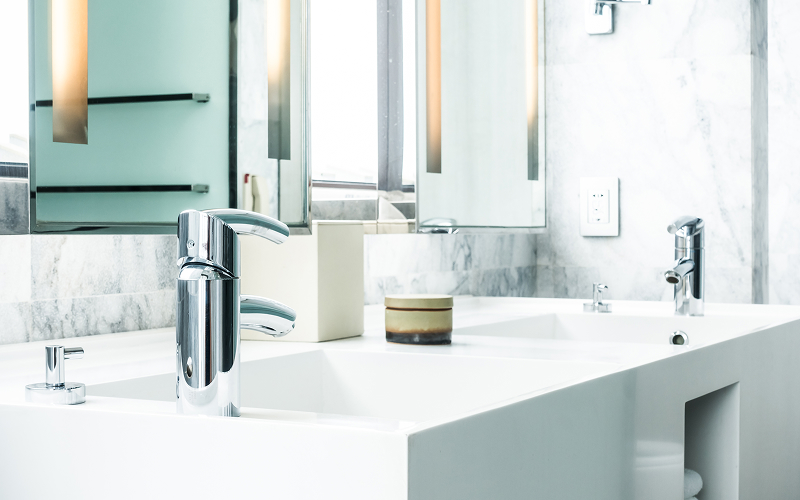
It’s easy to be drawn to sculptural taps or statement showerheads, yet daily use tells a different story. A well-designed mixer that maintains consistent water pressure often feels more luxurious than something purely aesthetic.
There’s a subtle difference between what looks impressive and what works effortlessly. In many bathroom renovation projects in Singapore, designers lean towards elegant items that are also functional, not because they’re flashy, but because they rarely disappoint over time.
3. Storage Isn’t an Afterthought
Here’s where many homeowners hesitate. Storage can seem secondary, almost invisible during the planning stage. Then reality sets in, usually within weeks of moving back in.
Built-in niches and under-sink drawers reshape how the space functions. A thoughtful layout feels less like squeezing items in and more like everything naturally finding its place. In compact flats, especially, storage design becomes part of the visual experience rather than something hidden away.
READ MORE:10 Must-Buy Items for a Successful Bathroom Renovation in Singapore
4. Lighting Changes Everything (More Than Expected)
Lighting in bathrooms tends to be underestimated. One overhead light might seem sufficient on paper, but it often flattens the space and casts unhelpful shadows.
Layered lighting creates depth. A combination of ceiling lights, mirror illumination, and even subtle under-cabinet strips turns routine tasks into something smoother. During a bathroom renovation in Singapore, those who are involved frequently adjust lighting plans midway once they see how materials reflect light in real conditions.
5. Accessories That Tie the Whole Space Together

Soap dispensers, towel bars, toilet brushes and even the choice of a bin; these details rarely appear in early plans. Still, they influence how cohesive the bathroom feels once everything is in place.
Matching finishes across accessories brings quiet harmony. It doesn’t need to be exact, just intentional. Designers recommend choosing these items alongside fixtures rather than as last-minute additions.
Frequently Asked Questions (FAQs)
How much should be budgeted for a bathroom renovation in Singapore?
Costs vary widely depending on materials and size, though most projects fall between mid-range upgrades and premium redesigns. Labour and waterproofing tend to take up a large portion.
Are showroom visits necessary before buying materials?
Yes, seeing textures and colours in person helps avoid surprises. Lighting in showrooms differs from home settings, which can affect perception.
What materials are easiest to maintain?
Porcelain tiles, quartz surfaces, and matte finishes generally require less upkeep and handle humidity better.
How long does a typical renovation take?
Most bathrooms take two to four weeks, depending on complexity and coordination with contractors.
Conclusion
A well-planned bathroom renovation in Singapore doesn’t rely on bold design moves alone. It comes together through a series of small, deliberate choices that prioritise comfort, durability, and everyday ease.
For those planning their next upgrade, exploring ideas and insights like these can make the process feel less uncertain and far more rewarding. Check out Living Comforts to discover more practical tips and fresh inspiration for your next home project.
