
Key Takeaways
- Measure your space first so furniture fits well and keeps movement clear.
- Match storage to your habits so items stay organised and easy to find.
- Multi-use furniture keeps clutter low while saving valuable floor space.
- Simple layouts and materials make daily use easier and cleaning quicker.
Table of Contents
Introduction
Buying furniture for your first home can feel like putting together a puzzle without seeing the full picture, where one wrong piece throws everything off. Your space needs a bedroom and wardrobe setup that fits well, looks clean, and stays practical for daily use. Without a clear plan, it is easy to end up with items that clash or take up more room than expected. A bit of planning early on keeps your space easy to live in, not just something that looks nice for a moment.
1. Plan Around Your Space First
Measure Before You Buy
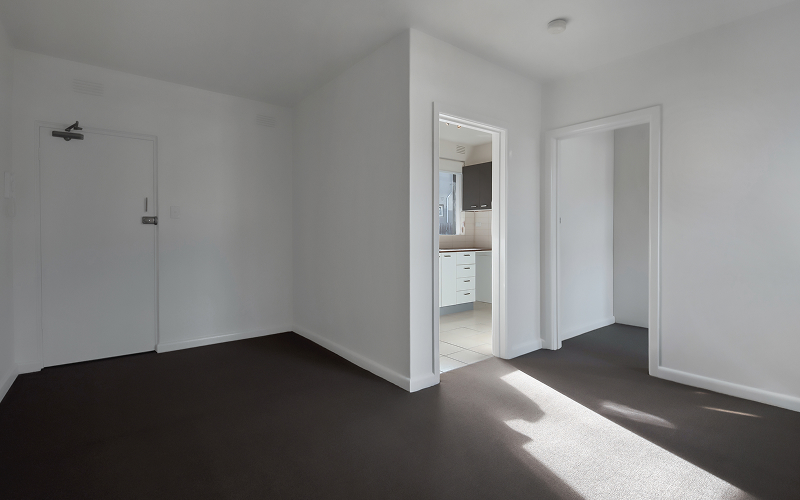
Guessing sizes can throw everything off. Measure your room, wall lengths, and ceiling height before buying anything. A bedroom and wardrobe layout should fit well without blocking movement or making the space feel tight.
Leave Room to Move Around
Furniture should not crowd your path. Keep enough space between pieces so walking around feels easy and natural. A clear layout keeps the space comfortable to use and easier to clean, which keeps the room practical.
2. Pick Storage That Matches Your Habits

Think About What You Own
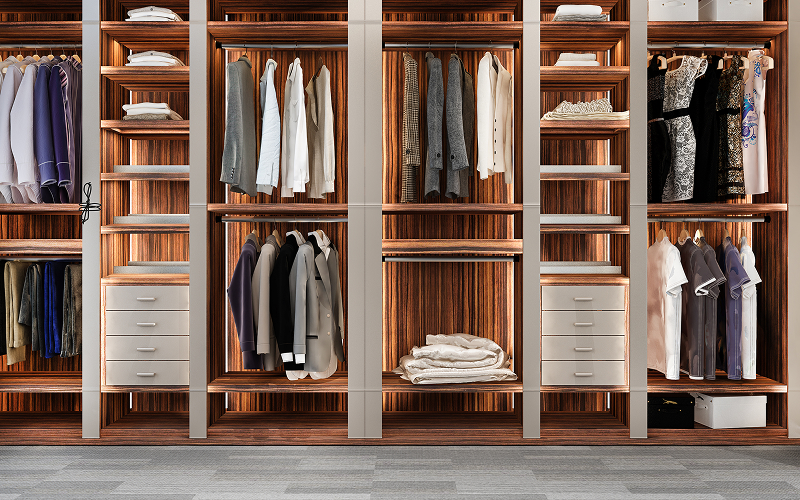
Different items need different storage. Shelves, hanging space, and drawers should match what you actually use. Choices work better when they follow your daily routine, especially when planning your bedroom and wardrobe layout.
Avoid Overloading One Area
Packing everything into one spot quickly leads to mess. Spread items across sections so each area stays organised. A balanced setup keeps things neat and manageable, which keeps the space manageable.
ALSO READ: 9 Shopping Essentials for Master Bedroom Design in HDB Flats
3. Choose Furniture That Does More
Look for Multi-Use Pieces
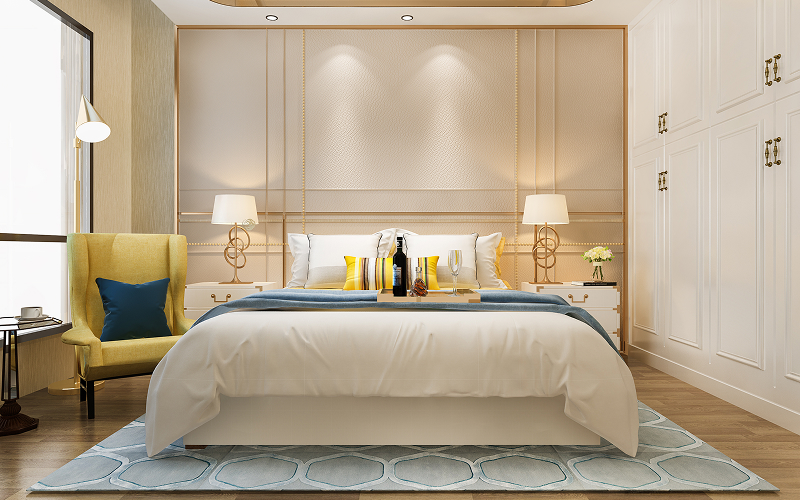
Furniture that serves more than one purpose helps save space. Storage beds or wardrobes with organisers keep things tidy without adding extra items. Each piece having a clear role helps the bedroom and wardrobe setup feel cleaner and easier to manage.
Keep Designs Simple
Clean shapes make a room easier to manage. Busy designs can make the space feel tighter than it is. Simple choices keep things neat and easy to live with.
4. Focus on Long-Term Use

Go for Adjustable Storage
Storage needs change over time. Shelves and compartments that can shift make it easier to adapt. They stay useful longer when they can adjust with you, which keeps things practical over time.
Pick Materials That Are Easy to Maintain
Daily use can wear things down. Materials that are easy to clean help keep your furniture looking neat. Practical use should not add extra work in your choice.
Frequently Asked Questions (FAQs)
How do I plan bedroom furniture layout?
Measure the room, map walkways, and place key pieces first so movement stays clear and practical.
What size wardrobe should I choose first?
Match wardrobe size to your wall and storage needs so it fits well without crowding the room.
How can I maximise storage in small rooms?
Use vertical shelves and multi-use pieces to add storage while keeping floor space open.
Which materials are easiest to maintain daily?
Choose surfaces that wipe clean easily and resist wear so upkeep stays quick and simple.
Should I buy sets or mix furniture pieces?
Mix pieces based on size and function so everything fits your space and daily habits.
Conclusion
Setting up your first bedroom takes more than picking what looks nice on display. Planning your layout, choosing storage that fits your habits, and keeping designs simple all help your space stay organised and comfortable over time. Small decisions shape how your room feels every day, so it pays to get the basics right from the start.
Visit Living Comforts to explore furniture options that help you plan a bedroom and wardrobe setup that fits your space and keeps everything in order.
