
Key Takeaways
- Clear sections and visibility help reduce time spent searching for clothes daily.
- Vertical storage and smart layouts keep wardrobes usable in compact spaces.
- Proper spacing and storage keep clothes neat and easier to maintain over time.
- Flexible compartments help wardrobes adapt as clothing needs change.
Table of Contents
- Introduction
- Clear Organisation for Daily Use
- Easy Visibility for Everyday Items
- Sections That Make Sorting Simple
- Smart Use of Limited Space
- Making Every Corner Count
- Vertical Storage That Stays Practical
- Keeping Clothes in Good Shape
- Proper Storage for Different Fabrics
- Avoiding Overcrowded Hanging Space
- Storage That Stays Manageable Over Time
- Preventing Clutter from Building Up
- Flexible Layouts for Changing Needs
- What Makes a Wardrobe Practical
- F.A.Q.
- Conclusion
Introduction
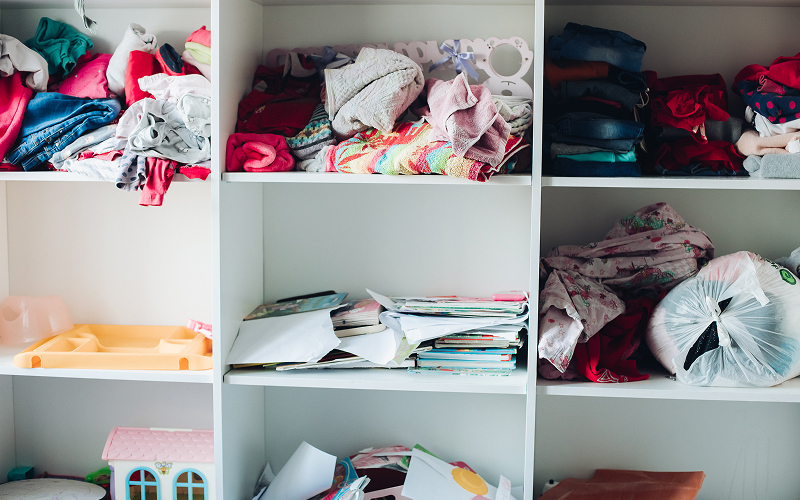
Clothes pile up faster than you expect, and without a proper system, your wardrobe can turn into a guessing game every morning. Keeping everything visible, sorted, and easy to grab is the goal of practical wardrobe design in Singapore, so you are not digging through stacks just to find one shirt. A well-planned setup keeps daily routines simple and your space looking clean.
Clear Organisation for Daily Use
Easy Visibility for Everyday Items
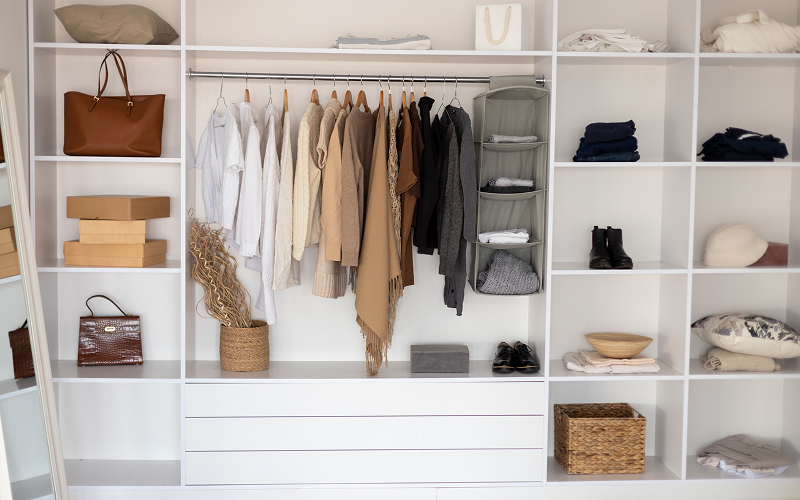
Clothes feel easier to manage when everything is in plain sight. No need to dig through stacks or second-guess where items went. Daily pieces stay within reach when planned through practical wardrobe design in Singapore, so getting dressed feels quick and straightforward.
Sections That Make Sorting Simple
Grouping items by type keeps things from mixing into one big pile. Shirts stay with shirts, trousers stay with trousers, and smaller items get their own spot. Order comes naturally when everything has a clear place to return to.
Smart Use of Limited Space
Making Every Corner Count
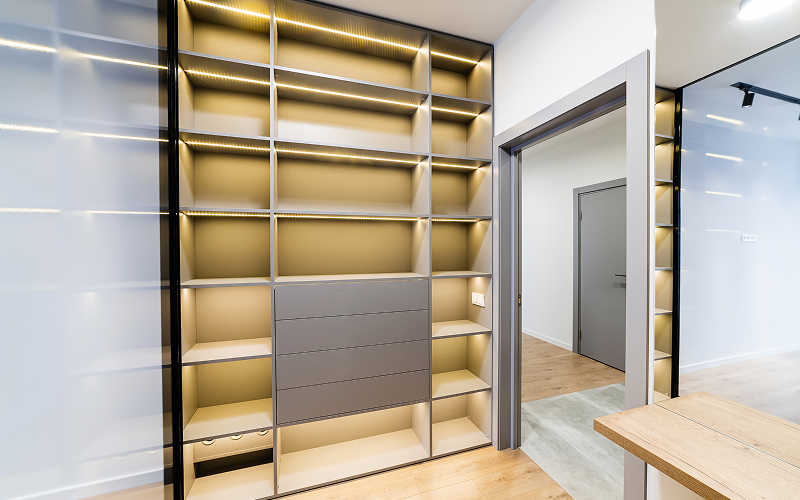
Tight spaces call for smarter use of what is already there. Shelves, rails, and compartments can fill gaps without crowding the room. No area should sit idle, and everything should still feel easy to reach, which is how wardrobe design in Singapore tends to be planned.
Vertical Storage That Stays Practical
Height can carry more than you think. Stacked shelves and taller sections keep items organised while freeing up floor space. The room stays open, and storage does not spill into walkways.
ALSO READ: 4 Interior Design Ideas for Your Wardrobe in Singapore
Keeping Clothes in Good Shape

Proper Storage for Different Fabrics
Different clothes need different handling. Folded pieces sit better on shelves, while delicate items hang to keep their shape. This mix is usually reflected in wardrobe design in Singapore, so clothes stay neat without extra effort.
Avoiding Overcrowded Hanging Space
Cramming too many hangers together makes clothes lose their shape. A bit of spacing keeps fabrics from getting crushed and makes each piece easier to pick out when needed.
Storage That Stays Manageable Over Time
Preventing Clutter from Building Up
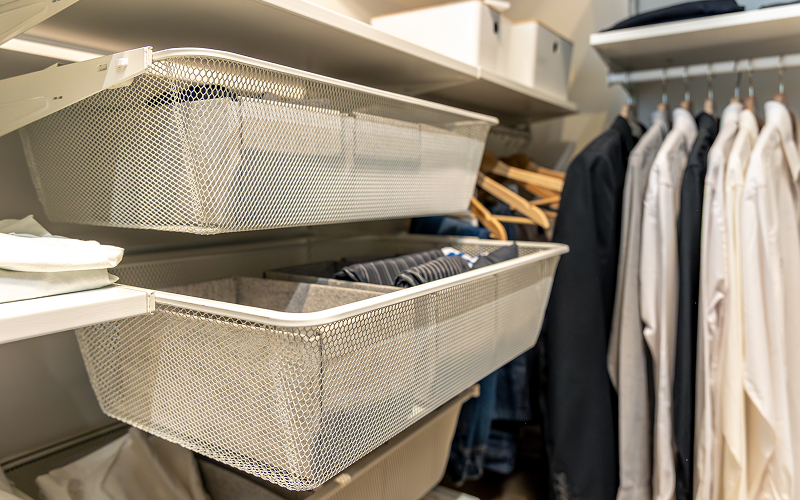
Things pile up when there is no clear spot to return them to. A structured layout keeps items in check, so mess does not slowly take over the space.
Flexible Layouts for Changing Needs
Storage needs rarely stay the same. Adjustable sections make it easier to shift things around as your wardrobe grows or changes. Flexibility stays built in without making things complicated when using practical wardrobe design in Singapore.
What Makes a Wardrobe Practical
A practical wardrobe keeps things simple. Items you use often stay at eye level, while less-used pieces go higher or lower. Clear sections for different clothing types make sorting easier, and a mix of open and closed storage helps balance visibility and tidiness.
Keeping everything within easy reach matters just as much as how it looks. When the layout works with your daily habits, getting dressed feels quick and effortless.
Frequently Asked Questions (FAQs)
How do I organise a wardrobe efficiently?
Group clothes by type and keep daily items visible so you can find things quickly without digging.
What is included in wardrobe design planning?
It covers layout, sections, hanging space, and storage options to keep clothes sorted and easy to reach.
How can I maximise small wardrobe space?
Use vertical shelves, slim compartments, and adjustable sections to fit more without crowding.
Why is spacing between clothes important?
Proper spacing keeps clothes from creasing and makes it easier to see and pick each item.
Can wardrobes adjust to changing storage needs?
Yes, flexible shelves and compartments help you rearrange storage as your clothing changes.
Conclusion
A wardrobe that works well makes everyday life easier. With clear sections, smart use of space, and simple organisation, your clothes stay easy to find and maintain. Practical choices help keep your room neat without adding extra effort to your routine.
Visit Living Comforts to explore wardrobe solutions that keep your space organised, functional, and easy to live with every day.
