
Key Takeaways
- Modern kitchens naturally pull people together through open layouts and shared zones
- Thoughtful design makes everyday routines feel social rather than rushed
- Islands, seating, and lighting help turn cooking into a group activity
- Modern kitchens support casual bonding, not just formal family meals
- Smart layouts balance privacy with togetherness in compact homes
Introduction
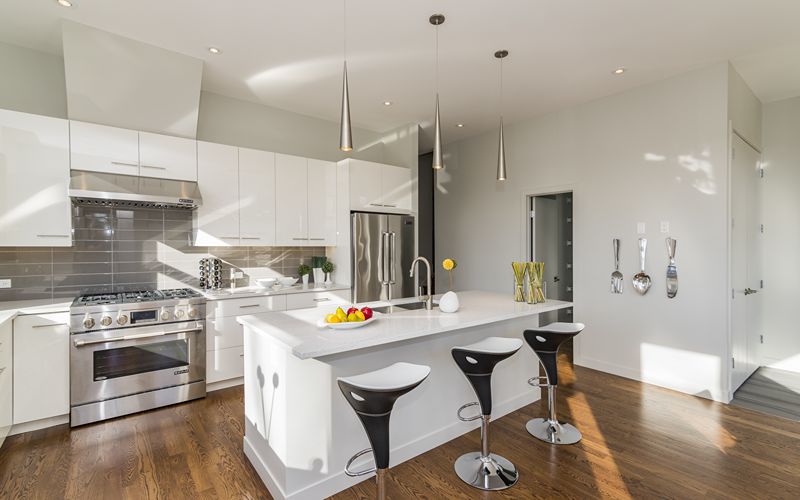
Homes in Singapore are changing, and so are the ways families spend time together. The living room once held centre stage, but that focus has gradually shifted. Today, modern kitchens sit at the heart of many homes, shaping daily routines in subtle yet meaningful ways. From hurried breakfasts to late-night chats, these spaces encourage people to gather without it feeling planned or formal.
Unlike enclosed kitchens of the past, modern kitchens are designed for movement, visibility, and shared presence. Cooking no longer feels like a solitary task hidden behind walls. Instead, it unfolds alongside homework, conversations, and quiet moments that define family life.
The Kitchen as the New Family Hub
It may seem unexpected, but many households now spend more time in the kitchen than anywhere else. A modern kitchen brings cooking, eating, and social interaction together, creating a seamless, shared environment rather than separate zones. A parent preparing dinner can still chat with a partner, keep an eye on children, or listen to stories from the day.
This matters because shared family time often happens in short pockets. A modern kitchen allows space for meaningful moments without the expectation of a formal, sit-down meal. A quick snack becomes a conversation. A cup of tea turns into an unplanned catch-up. These small interactions quietly build a connection.
Open Layouts That Invite Conversation
Open layouts are a defining feature of modern kitchens, particularly in Singapore homes where space efficiency matters. By removing physical barriers, families stay visually and emotionally connected. Conversations flow more easily when people can see one another, even while doing different things.
There is also a practical benefit. Open modern kitchens allow light to travel, improve airflow, and make movement feel natural. More importantly, they remove the sense of separation that older kitchen designs sometimes created. Cooking becomes part of the household rhythm rather than a task done apart from it.
That openness often shapes behaviour too; people linger longer, and they talk more freely. They feel welcome to join in, even without being asked.
READ MORE: How an HDB Open Concept Kitchen Shapes Modern Home Flow
Islands, Stools, and the Art of Lingering
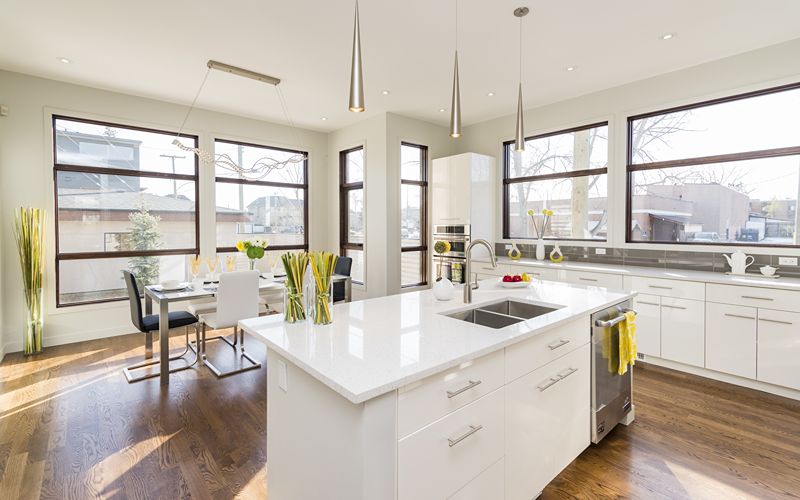
Few features encourage togetherness quite like a kitchen island. In modern kitchens, islands act as informal gathering points where people naturally gravitate. Someone leans while chatting. Another sits on a stool scrolling through messages. A child spreads out schoolwork nearby.
This setup subtly changes habits. Instead of waiting elsewhere, family members stay close. Meals begin earlier, conversations stretch longer, and the kitchen feels active rather than transactional. Even simple details, such as comfortable seating or rounded edges, make the space feel more inviting.
Modern kitchens work well here because they are designed for comfort, not just efficiency. They recognise that people want to stay, not rush through.
Design That Supports All Ages
A shared family space needs to work for everyone. Through subtle planning, a modern kitchen can comfortably suit multiple generations without drawing attention to age-specific needs. Clear sightlines, safer materials, and accessible surfaces help children feel involved while giving adults peace of mind.
Storage also plays a role. When items are easy to reach and logically placed, more people can help out. Cooking becomes a shared effort rather than a one-person task. Over time, these choices shape everyday habits, encouraging participation and confidence.
Though it may go unnoticed, a modern kitchen gently encourages families to spend more time together.
Technology That Quietly Brings People Closer
Smart appliances sometimes feel distracting, yet in modern kitchens, they often do the opposite. Timers, induction hobs, and efficient ovens reduce stress and free up attention. When cooking feels manageable, people stay present with one another.
Technology also supports flexibility. Meals can be prepared quickly, adjusted easily, or shared casually. Instead of pulling focus away, the right tools allow families to concentrate on conversation, laughter, and shared tasks.
In many modern kitchens, technology fades into the background, doing its job without demanding attention.
Lighting, Acoustics, and the Mood of Togetherness
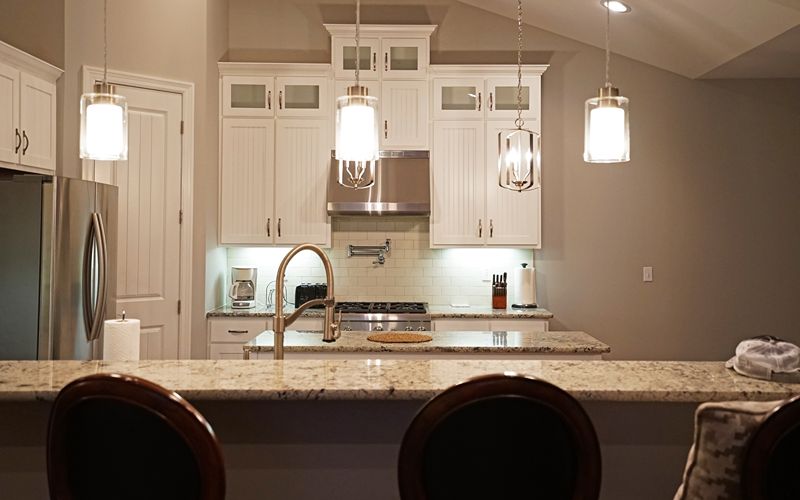
Beyond layout and furniture, atmosphere plays a quiet but powerful role in how families experience modern kitchens. Lighting, in particular, shapes behaviour more than many realise. Warm, layered lighting encourages people to slow down, sit longer, and feel at ease. Bright task lighting supports cooking, while softer ambient light signals that it is time to relax and talk.
Sound matters too. By using softer finishes, considered surfaces, and gentle zoning, a modern kitchen helps limit noise and echo. This makes conversation easier, especially during busy moments. When voices do not need to compete with clatter, people stay engaged instead of drifting away.
Together, lighting and acoustics help modern kitchens feel calm even when they are active. That balance keeps the space welcoming at all hours, whether it is a rushed weekday morning or a quiet weekend evening.
Storage Choices That Reduce Friction at Home
Clutter creates tension, even if it goes unnoticed. A modern kitchen often prioritises intelligent storage, easing everyday friction. When drawers move effortlessly, and items are easy to locate, shared chores feel less demanding.
This has a social effect. People are more willing to help when the space feels organised. Children can put things away without being told. Partners can step in without asking where everything lives. Over time, these moments reduce stress and keep interactions positive.
Supporting daily flow and routine is where a modern kitchen truly performs well. There is less stopping, less searching, and fewer interruptions. The kitchen becomes a place where things flow, and people follow that same rhythm.
Cultural Habits That Shape How Kitchens Are Used
In Singapore, food culture naturally centres the kitchen. From shared dishes to late-night suppers, meals often carry emotional weight. A modern kitchen mirrors this lifestyle shift by encouraging relaxed, frequent use instead of formal, occasional cooking.
Many families no longer wait for special occasions to gather. Instead, they gather often, briefly, and informally. Designed to stay open and adaptable, a modern kitchen fits naturally into habits that happen at any time of day. There is space for reheating leftovers, assembling quick meals, or simply sitting together without an agenda.
This alignment between culture and design explains why modern kitchens feel so natural in daily life. They match how families already live, rather than asking them to change.
Why Everyday Moments Matter Most
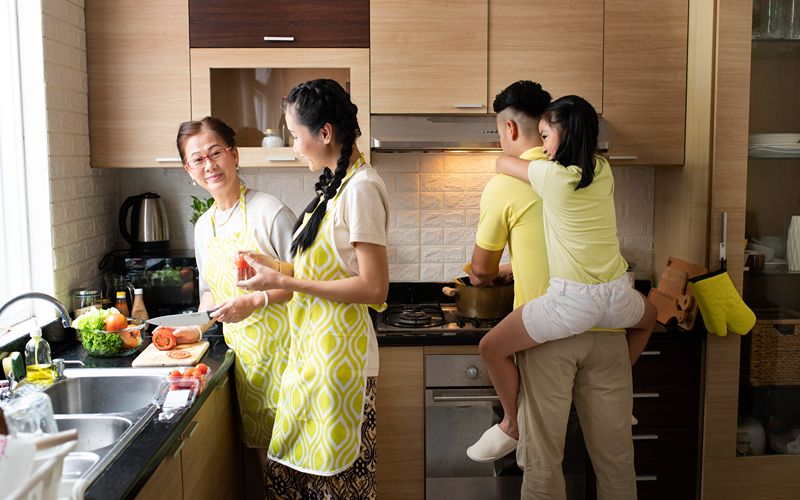
Large family meals are memorable, but they are not the whole picture. What sets a modern kitchen apart is its ability to support ordinary moments, from hurried breakfasts to late-night meals shared quietly.
These moments are unscripted and often overlooked. Yet they build familiarity and comfort. By remaining open and versatile, a modern kitchen creates room for these moments whenever they arise.
There is a quiet reassurance in knowing someone is always nearby, even when no one is officially gathering.
How Modern Kitchens Influence Daily Family Routines
Daily routines often reveal more about family life than special occasions ever could. Staying in use throughout the day, a modern kitchen subtly shapes daily routines beyond just meal preparation. Morning coffee, packed lunches, quick breakfasts, and short conversations before work or school all unfold in the same shared space.
Because modern kitchens are designed for efficiency and comfort, they remove friction from these moments. Surfaces are easy to clean, storage is intuitive, and layouts encourage movement rather than bottlenecks. This means family members can pass through, pause, or stay without disrupting one another. Over time, this ease builds familiarity. People begin to expect brief check-ins, casual updates, or silent companionship as part of the day.
There is also a rhythm that develops. Someone always seems to be nearby, even if only for a moment. That presence creates continuity, anchoring the household around shared routines rather than fixed schedules. A modern kitchen responds to changing needs by remaining flexible, open, and welcoming at all hours.
The Emotional Comfort of a Well-Designed Kitchen
Beyond function, modern kitchens offer emotional comfort that is often felt rather than noticed. When a space feels open yet contained, people tend to relax, voices soften, and movements slow. The kitchen becomes a place where pressure eases, even after long days.
This comfort comes from balance. With a balance of clean lines and warmth, a modern kitchen combines structure with an inviting sense of openness. There is room for conversation, but also room for quiet. Someone can cook while another sits nearby without the expectation of interaction. That freedom matters.
Over time, families associate the kitchen with calm familiarity. It becomes the place where tension fades, where conversations happen naturally, and where silence feels comfortable rather than awkward. In this way, modern kitchens support emotional well-being as much as daily function, offering a steady, reassuring centre to family life.
Frequently Asked Questions (FAQs)
Do modern kitchens suit smaller Singapore homes?
Yes. Modern kitchens are often designed with compact living in mind, using open layouts and smart storage to maximise space without feeling crowded.
Are modern kitchens only about style?
Style matters, but function comes first. Modern kitchens focus on usability, comfort, and flow, which naturally support shared family moments.
Can modern kitchens work for multi-generational families?
They can. With thoughtful design, modern kitchens can balance accessibility, safety, and flexibility for different age groups.
Do open kitchens create more noise?
They can, but suitable materials and layouts help manage sound while keeping communication easy and natural.
Conclusion
Modern kitchens do more than enhance a home’s appearance. They shape how families live together, turning everyday routines into shared experiences. Through open layouts, flexible seating, and thoughtful design, modern kitchens encourage connection without forcing it. They allow families to come together naturally, one small moment at a time.
For more insights on home design and lifestyle trends that shape everyday living, visit Living Comforts to get the latest content worth exploring.
