
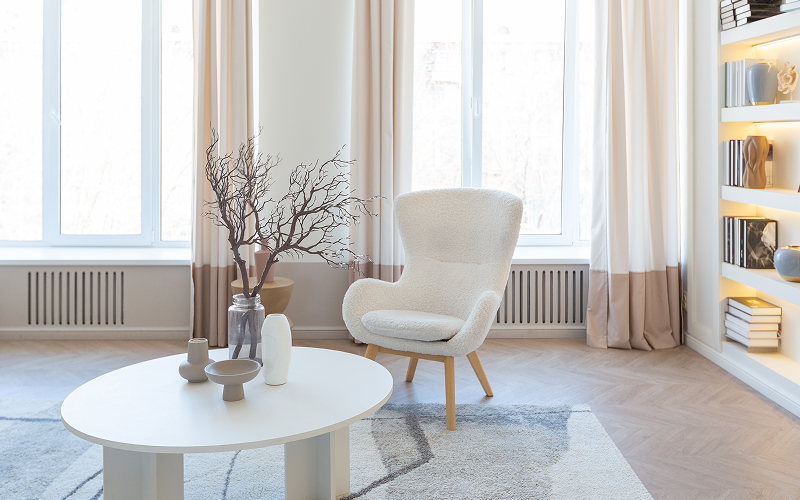
Contemporary minimalist interior design has become a leading trend in Singapore, admired for its clean lines, practical layouts, and calming atmosphere. While the style often centres on simplicity, many worry it risks feeling too sterile without the right elements. By blending textures, natural light, cosy furnishings, and personal touches, homeowners can enjoy spaces that are not only sleek but also welcoming.
Prioritising Function Without Losing Warmth
At the heart of contemporary minimalist interior design lies functionality. Every item should serve a purpose, whether structural or decorative. However, prioritising function does not mean stripping away personality. For example, a sofa may be designed with simple lines and neutral fabric, but adding a throw or two in soft cotton or linen introduces warmth while retaining the uncluttered look.
This balance is especially relevant in Singapore’s compact homes, where each piece of furniture must justify its presence. Built-in storage, extendable tables, or modular shelving ensure efficiency while creating opportunities to layer comfort into everyday life. Choosing multifunctional yet stylish pieces is one way to keep the home practical while still cosy.
Choosing a Neutral Colour Palette with Subtle Accents
Minimalist interiors often lean towards whites, greys, and beiges, which create a calm backdrop. While this palette works well in Singapore’s bright, tropical light, it can feel stark without thoughtful additions. To soften the mood, introduce subtle accent colours through cushions, rugs, or artwork.
Contemporary minimalist interior design thrives on restraint, so accents should be understated rather than overwhelming. Muted greens, pastel blues, or warm terracotta tones can inject character without cluttering the space. By keeping accents consistent across different rooms, the home maintains a cohesive flow that feels elegant and comfortable.
LEARN MORE: 5 MUJI-Inspired Home Decor Ideas For Minimalist Living
Layering Textures for Comfort
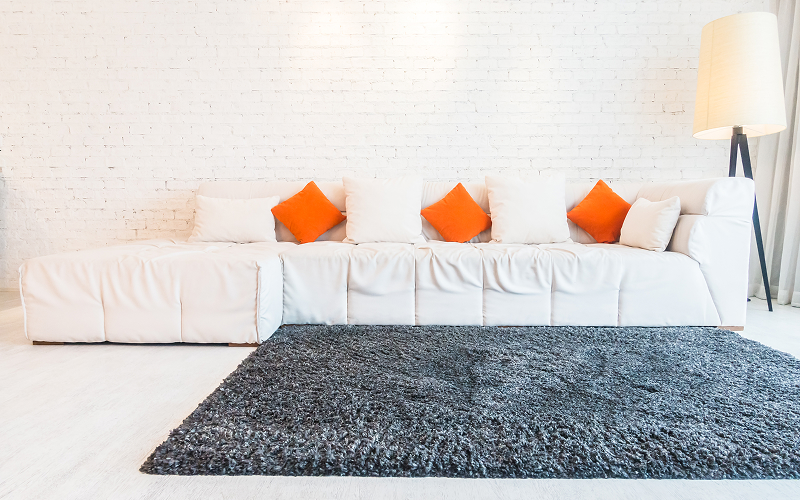
Texture is an essential element when blending comfort into a minimalist setting. Smooth surfaces such as polished concrete or sleek cabinetry often dominate contemporary interiors, but layering in soft textures prevents the home from feeling too clinical.
Adding a wool rug underfoot, linen curtains, or knitted cushions enhances tactile warmth. Even small details, such as woven baskets or ceramic vases, make a difference. In Singapore’s humid climate, breathable natural fabrics such as cotton and bamboo are ideal, offering both comfort and practicality while reinforcing the minimalist ethos.
Maximising Natural Light
Natural light is one of the most powerful tools in contemporary minimalist interior design. Large windows or open layouts let light flow freely, creating an airy, inviting atmosphere. In Singapore, where HDB flats and condos may have limited floor area, natural light helps a room feel larger than it is.
To maximise light, opt for sheer curtains or blinds rather than heavy drapes. Reflective surfaces such as mirrors or light-toned flooring also enhance brightness. A well-lit space instantly feels more comfortable, reducing the need for excessive decoration and aligning perfectly with minimalist principles.
Selecting Furniture with Clean Lines and Comfort
Furniture plays a central role in shaping a minimalist home. Clean lines, simple forms, and practical proportions are the foundation of the style, but comfort should not be overlooked. Choosing ergonomic chairs, deep sofas, or beds with supportive mattresses ensures functionality without compromising cosiness.
For compact Singaporean homes, scaled-down furniture that fits proportionately into the space is essential. Pairing a streamlined sofa with soft cushions or a sturdy dining table with upholstered chairs strikes the right balance between comfort and minimalism. The goal is to keep things simple without making the home feel sparse.
Bringing Nature Indoors
Nature adds a grounding element to minimalist interiors, softening sharp edges and enhancing comfort. Indoor plants, whether a large fiddle-leaf fig or smaller succulents, introduce life and colour into a room without overwhelming it. For homes in Singapore, tropical plants like monstera or palms thrive in the climate and blend seamlessly into a minimalist design.
Natural materials such as wood and stone are also considered, as wooden flooring or a marble countertop can anchor the home in organic textures, creating warmth without clutter. By incorporating nature, contemporary minimalist interior design feels less rigid and more harmonious.
Using Art and Personal Touches
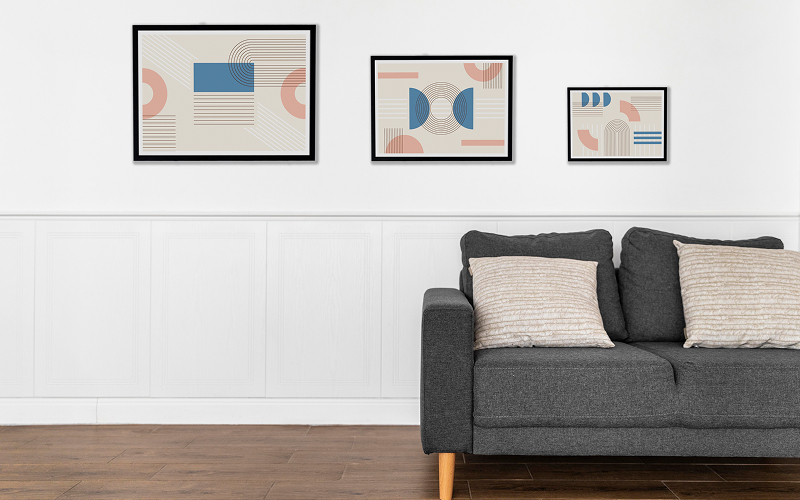
One of the misconceptions about minimalism is that it leaves no room for personal expression. On the contrary, carefully chosen artwork or décor can serve as meaningful focal points in an otherwise understated space. A single abstract painting or a black-and-white photograph can add depth and character without disrupting the minimalist flow.
Personal touches such as heirloom ceramics, travel souvenirs, or carefully framed prints allow individuality to shine through. The trick is to curate rather than accumulate, selecting only the items that truly matter. This creates a home that feels warm and personal while staying true to minimalist principles.
Keeping Spaces Organised and Clutter-Free
The success of contemporary minimalist interior design depends on organisation. Clutter undermines the entire aesthetic, making a home feel chaotic rather than calm. Built-in wardrobes, hidden shelving, and multifunctional furniture help keep belongings neatly stored out of sight.
Decluttering is not just about design, but also about lifestyle. By consciously editing possessions, homeowners in Singapore can maintain a sense of order and peace. A clutter-free home not only looks good but also supports mental clarity, making comfort an integral part of daily living.
Conclusion
Contemporary minimalist interior design in Singapore proves that comfort and simplicity can exist in harmony. By focusing on purposeful furniture, layering textures, maximising light, and adding subtle personal details, homeowners can transform compact flats into inviting retreats that reflect modern living without losing warmth. Ultimately, it is about creating a home that feels organised and calm while still embracing comfort in everyday life.
Ready to refresh your home? Visit Living Comforts to try more contemporary minimalist interior design ideas for a balanced and inviting space.
