
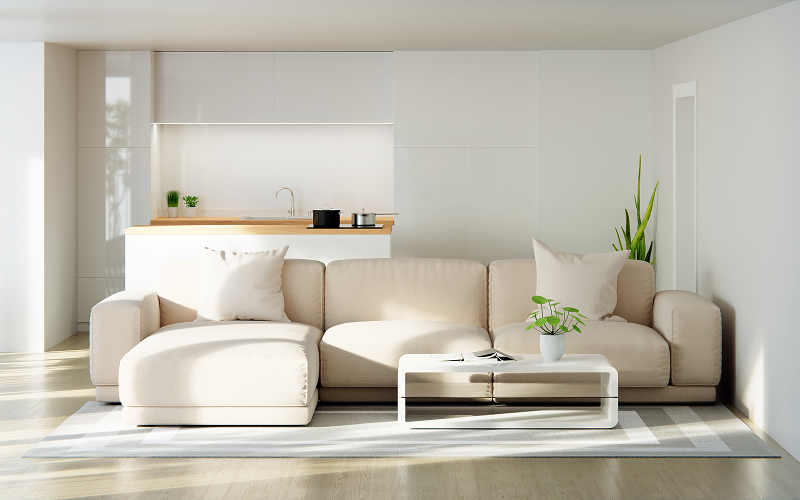
In a city where space comes at a premium, many homeowners in Singapore are turning to minimalist furniture to create homes that feel calm, clutter-free, and inviting. The minimalist style, rooted in simplicity and functionality, has become especially relevant for compact HDB flats and condominiums, where every piece of furniture plays an important role in maximising space. More than just an aesthetic trend, minimalist furniture in Singapore represents a lifestyle choice that values clean lines, practicality, and a sense of balance in daily living. From choosing multifunctional pieces to layering textures for warmth, the following ideas highlight how design choices can enhance both comfort and order while supporting modern urban lifestyles.
Why Minimalist Furniture Works for Singapore Homes
Minimalist furniture fits seamlessly into Singapore’s urban housing landscape because it prioritises function without unnecessary ornamentation. HDB flats and condominiums often come with limited square footage, so bulky, decorative pieces are impractical. Minimalist furniture in Singapore focuses on streamlined designs that take up less space while still meeting everyday needs.
Another reason it works so well is psychological. In a bustling city, returning to a calm, clutter-free home provides mental relief. Furniture with clean lines, neutral tones, and unobtrusive forms creates an environment where stress feels lighter and daily routines flow more smoothly. Minimalism is about choosing carefully what enhances comfort and letting go of excess.
On a practical level, minimalist furniture also makes maintenance easier. Sleek designs with fewer intricate details mean quicker cleaning and less accumulation of dust, which is especially useful in humid climates like Singapore’s. This simplicity ensures that homes not only look tidy but are also easier to manage daily, further reinforcing the sense of calm and order that minimalism promises.
LEARN MORE: Inside Haegreendal: The Minimalist Vision You’ll Love
Opting for Multipurpose Furniture
One of the hallmarks of minimalist furniture in Singapore is versatility. Multipurpose pieces help homeowners maximise small spaces without cluttering them with unnecessary items. For example, a sofa bed transforms a living room into a guest room, while a dining table with hidden storage drawers doubles up as both a workspace and a place for meals.
Coffee tables with lift-up tops, storage ottomans, and modular shelving units provide clever solutions for compact homes. These designs embody the minimalist philosophy by combining functionality with simplicity, ensuring that furniture enhances rather than overwhelms the space.
Creating Calm with Neutral Palettes
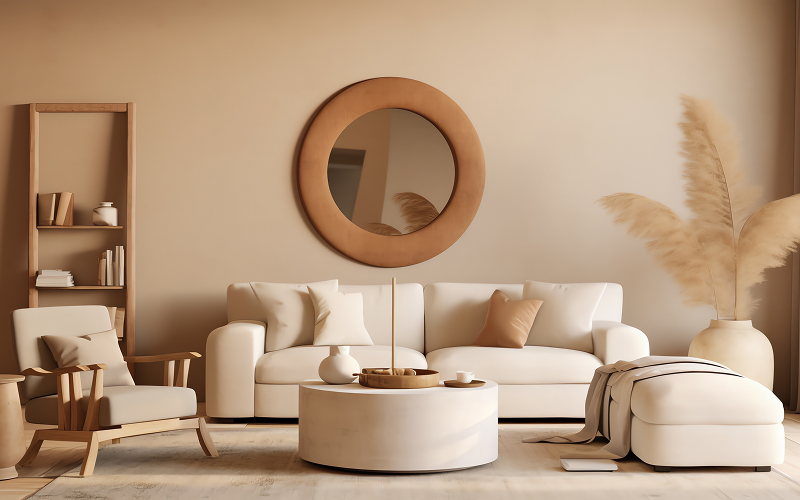
Minimalist furniture typically comes in neutral shades, which not only make rooms feel larger but also provide a soothing backdrop for daily living. For Singapore’s bright, sunlit apartments, neutral palettes work particularly well in reflecting natural light and creating airy spaces.
To prevent the home from looking flat, homeowners can introduce subtle contrasts through dark accent chairs or natural wood finishes. Pops of muted colour in cushions or throws also bring warmth without breaking the minimalist aesthetic. The goal is harmony, which is keeping the space cohesive, balanced, and comfortable.
Layering textures can also enhance the neutral palette, making it feel dynamic without sacrificing simplicity. Pairing smooth wooden surfaces with soft textiles, or combining matte finishes with glossy ones, adds depth and interest to minimalist furniture in Singapore. This approach ensures that the home looks refined while still maintaining the calm, clutter-free ambience that minimalism promises.
The Importance of Proportion and Scale
In smaller Singapore homes, proportion is critical. Oversized furniture overwhelms the room, while pieces that are too small feel awkward. Minimalist furniture in Singapore is designed with scale in mind, offering compact yet comfortable options that fit proportionately within HDB and condo layouts.
Slim-legged sofas, wall-mounted shelving, and extendable dining tables are examples of designs that save space while maintaining usability. By respecting proportion, minimalist furniture ensures that even small living areas feel uncluttered and thoughtfully designed.
Incorporating Natural Materials
Minimalism does not mean sterile or lifeless interiors. Using natural materials adds depth and comfort while staying true to the minimalist style. Wooden tables, rattan chairs, and linen upholstery soften the clean lines of minimalist furniture in Singapore, bringing warmth into the home.
These materials are particularly suitable for Singapore’s climate. Bamboo and rattan, for example, are lightweight yet durable, while breathable fabrics like cotton and linen keep furniture comfortable in humid conditions. Blending natural elements with minimalist design creates a home that feels organic, inviting, and timeless.
In addition, natural finishes age gracefully, which enhances the minimalist principle of longevity and simplicity. A wooden surface that develops a patina over time or a rattan piece that shows subtle wear adds character without clutter. Instead of feeling outdated, these pieces integrate seamlessly into the home, reminding residents that beauty often lies in imperfection and authenticity.
Lighting as a Design Element
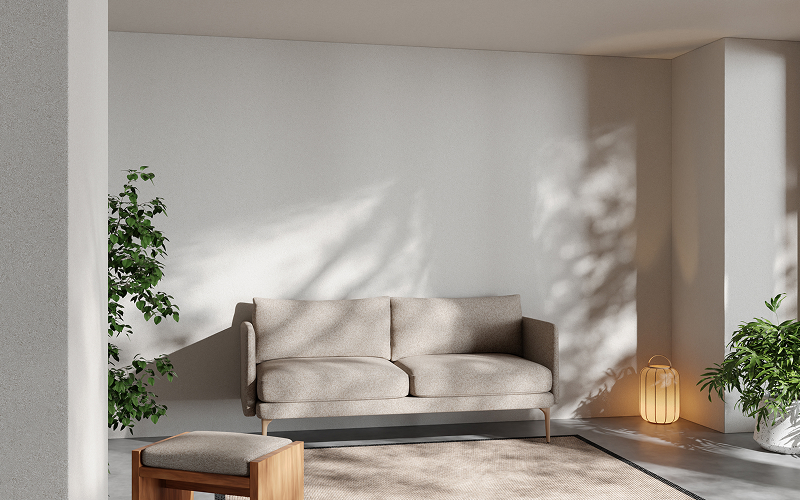
Lighting plays a crucial role in setting the tone of a minimalist home. Natural light is abundant, and minimalist furniture in Singapore works best in spaces that let light flow freely. Sheer curtains or blinds keep rooms bright while preserving privacy, complementing the open, airy feel of minimalist design.
Artificial lighting should be kept simple and purposeful. Pendant lamps with clean silhouettes, recessed lighting, or LED strips under cabinets provide illumination without cluttering the space. Warm lighting also balances the cool tones often associated with minimalist furniture, ensuring the home feels inviting rather than stark.
Adding Personality Without Clutter
Minimalism does not mean stripping away personality. The key is to curate rather than accumulate. A single piece of artwork, a sculptural lamp, or a carefully chosen statement chair can become a focal point without disrupting the clean lines of minimalist furniture in Singapore.
Personal items such as travel mementoes or heirlooms can also be displayed selectively. By limiting the number of decorative pieces, each one gains importance, and the home retains its clutter-free character while still reflecting the homeowner’s story.
Textures and natural elements can also add personality without overwhelming the space. For example, woven baskets, linen cushions, or a wooden coffee table introduce warmth while staying true to minimalist principles. These subtle choices soften the starkness of minimalism, ensuring the home feels inviting while maintaining the balance between simplicity and individuality.
Maximising Storage with Minimalist Design
One of the biggest challenges in compact homes is managing clutter. Minimalist furniture in Singapore often incorporates hidden storage to solve this problem. Platform beds with drawers, benches with compartments, and modular shelving units all keep belongings out of sight while maintaining a sleek aesthetic.
Well-designed storage not only keeps homes tidy but also enhances the minimalist principle of “less is more.” With fewer items visible, the room feels more spacious, and every piece of furniture contributes to order and function.
Balancing Minimalism with Comfort for Families

While minimalist furniture in Singapore is often associated with singles or couples, it can be just as practical for families. The key is to focus on durability and multifunctionality while keeping designs streamlined. For instance, a sturdy dining table with clean lines can double as a homework station, while modular shelving ensures children’s items remain organised without cluttering the living space. Families benefit from furniture that adapts to changing needs but still maintains a simple aesthetic.
Comfort also plays an important role in making minimalism family-friendly. Adding cushioned seating, soft rugs, and warm lighting ensures that the home feels inviting rather than overly strict. Minimalist furniture means choosing pieces that are both purposeful and cosy. For families in Singapore’s compact flats, this approach helps create a clutter-free yet welcoming environment that works for all members of the household.
Why Minimalism Enhances Well-Being
Beyond its visual appeal, minimalist furniture in Singapore contributes significantly to well-being by creating order and reducing stress. A clutter-free home feels lighter and more breathable, which makes it easier to focus, relax, and recharge after a long day. Clean surfaces and thoughtfully designed layouts encourage smoother daily routines, reducing unnecessary chaos and giving homeowners more control over their living spaces.
Minimalism also ties closely to sustainability. By choosing fewer but higher-quality pieces, homeowners reduce waste and invest in furniture that lasts longer. This mindful approach not only benefits the physical home environment but also aligns with broader values of conscious consumption, helping individuals feel that their lifestyle choices contribute positively to both their household and the planet.
At a deeper level, living with less nurtures mindfulness and intentionality. When every piece of furniture has a defined purpose, it becomes easier to value and care for what you own. This sense of purpose fosters gratitude and reduces decision fatigue, which in turn supports emotional balance. In Singapore, having a calm and intentional home environment allows people to feel grounded, making their living spaces not just practical but also deeply restorative.
Conclusion
Minimalist furniture in Singapore is a way of creating homes that are calm, functional, and clutter-free. By prioritising multifunctional designs, embracing natural materials, and layering textures, homeowners can enjoy spaces that feel both simple and inviting. Neutral palettes, proportionate furniture, and clever storage all contribute to the sense of balance that defines minimalist interiors.
Ultimately, minimalism is about the furniture choices and shaping a lifestyle where simplicity fosters comfort and clarity. For Singapore’s compact homes, this approach offers a powerful way to transform limited space into a sanctuary that supports modern living with elegance and ease.
Ready to transform your home into a clutter-free retreat? Visit Living Comforts to discover how minimalist furniture in Singapore can create a calm and balanced space for everyday living.
