
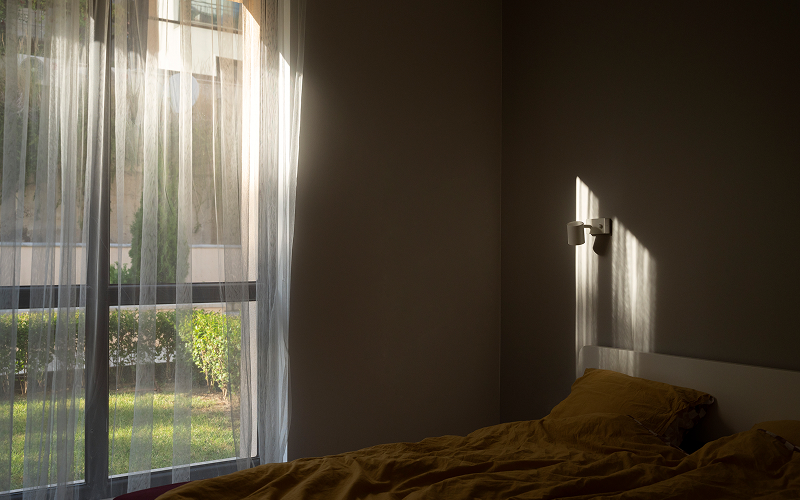
Designing a functional and stylish bedroom in Singapore’s public housing requires a blend of creativity, discipline, and empathy for how you actually live. Many HDB rooms have tight footprints, structural columns, and fixed window positions, which can make planning feel like a puzzle with missing pieces.
This guide unpacks practical strategies to get the most from your bedroom design HDB setup by focusing on space-smart planning, affordable décor finds, and sensory-friendly styling techniques that help you rest better, wake brighter, and keep clutter in check.
Your Space-First Game Plan
Getting the fundamentals right matters because small rooms magnify every decision, good or bad. Consistent proportions, vertical storage, and light control are the small-space power trio for Singapore flats. This baseline lets you test furniture footprints before buying a single thing, ensuring your bedroom design HDB plan is driven by fit and flow rather than guesswork.
Most four-room and five-room flats allocate modest square footage to bedrooms, and those metres must work hard. Start with a clear site survey: measure every wall, account for skirting thickness, mark the swing arc of doors, and note sill heights, air-con trunking, and window handles.
A good rule of thumb is to preserve 600–700 mm of clear circulation on at least one side of the bed, and 900 mm if two people will use the room daily. Where corridors feel tight, opt for a bed with a slimmer frame and rounded corners to soften movement lines. HDB rooms feel spacious because the bed, wardrobe, and dresser are kept on a single visual axis, minimising cross-traffic and visual clutter through coherent sightlines.
When it comes to wardrobes, full-height units earn their keep if you plan interiors carefully. Mix hanging space, shallow shelves for tees, and drawers for intimates so each centimetre is productive. Column-aware carpentry prevents dead zones while keeping façades flush and calm, which supports a restful bedroom design HDB scheme without expensive overbuilding.
Visual Rules for Small-Space Harmony
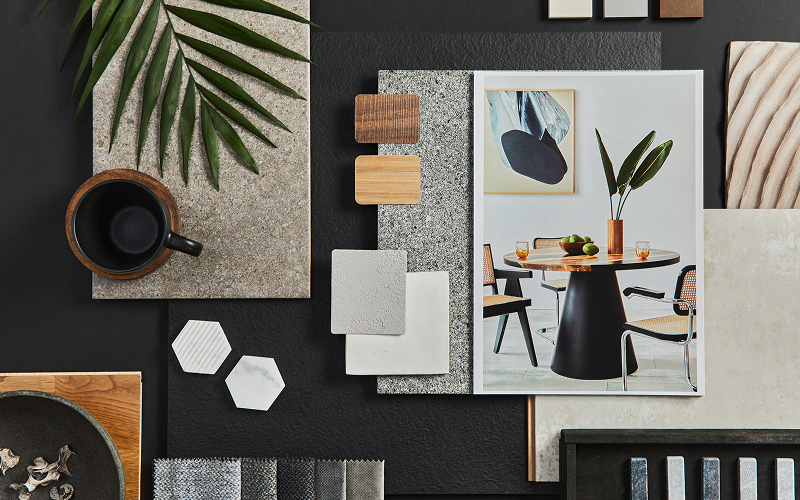
A moodboard keeps choices consistent. Gather three to four reference images with similar light levels, one wood tone, one metal finish, and two to three fabric textures. A restrained palette supports the serenity that a bedroom design HDB needs to counter busy city days.
Colour influences perception of depth and temperature. HDB bedrooms gain a “breathing space” when window treatments, bed linen, and rugs echo the wall colour in slightly lighter or darker tints with monochrome layering that calms without being bland.
Decluttering starts with editing furniture. Swap deep bedside chests for compact tables with a single drawer. Open, low bookshelves double as nightstands, like in MaxiHome, when paired with a tray. A shallow console can be a dressing ledge without hogging floor area. These modest swaps remove visual noise and help your bedroom design HDB plan feel ordered yet inviting, which directly supports better rest.
The HDB Bedroom Money Map
Start by assigning rough percentages: 40–50% on the bed and mattress, 20–25% on storage, 10–15% on lighting, and the rest on textiles and accessories. This avoids overspending on accents while skimping on sleep essentials. Bedroom design ideas for HDB homes frequently spotlight multi-functional pieces that pack storage into compact silhouettes.
Invest in what you touch daily: a supportive mattress that you can buy in shops like Cellini, breathable sheets, and well-made blackout curtains. Save on elements that are easy to upgrade later, like side tables and loose décor.
If you rent, lean on damage-free solutions, such as tension rods for sheers, removable 3M hooks for art, peel-and-stick films for wardrobe refreshes, and plug-in sconces instead of hardwiring. And if you just need certain furniture for a short term, places like Lian Huat offer furniture rental for renters.
Don’t forget second-hand values. A single vintage piece can warm a contemporary scheme, making the space feel collected rather than cookie-cutter. Mixing one statement with simple basics is a reliable way to give compact HDB rooms a personal, lived-in glow.
Small Room, Clever Tricks
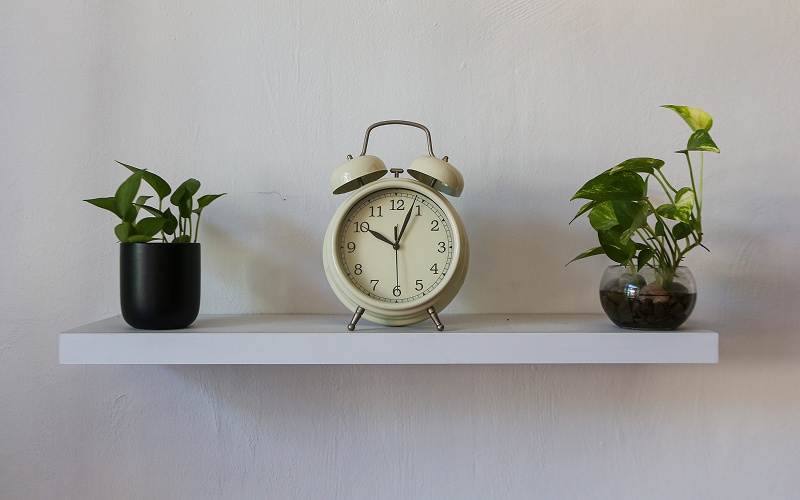
In compact rooms, the bedside zone is prime real estate. Consider a floating shelf instead of a table to expose more floor, or a shallow wall-hung cabinet sized exactly to fit a tissue box and a book. A clip-on headboard light frees the tabletop for a carafe and phone, and a cord channel keeps cables tidy. Treating the bedside wall like a mini workstation creates a flexible, efficient bedroom design HDB without sacrificing calm.
Open shelving can make a room look bigger if you style it lightly. Keep 30–40% of each shelf empty, group items by material rather than colour, and repeat shapes to create rhythm. Use lidded boxes for bits and bobs, stack a few favourite books horizontally, and anchor with one sculptural piece. These allow a bedroom design HDB to feel generous in daily use, even when the floor plan is modest.

Crafting a Rest-First Bedroom Design HDB
Texture adds dimension where footprint can’t. Combine crisp percale sheets with a knitted throw, a linen duvet, and a short-pile rug to create a tactile gradient from cool to cosy. Matte finishes on wardrobes keep glare down, while a soft sheen on curtains helps bounce daylight. It is an approach repeatedly highlighted in local bedroom makeovers that let fabric do the heavy lifting in a refined bedroom design HDB scheme.
Light hierarchy matters. Use a warm ceiling light for general tasks, layer with dimmable bedside lighting for wind-down, and add a low-glare night light for safe, sleepy walks. If mornings are too bright, combine blackout drapes with sheer roller blinds to fine-tune from privacy to full daylight. Meaningful sleep improvements show when artificial light temperatures are kept warm after sunset, a small tweak that stabilises circadian rhythm and supports a calmer bedroom design HDB experience.
Sound and scent influence rest more than most décor upgrades. A soft rug catches footfall, padded headboards absorb echo, and door seals or fabric draft stoppers muffle corridor noise. Calming essential oils signal the brain that it’s time to slow down, while a quiet fan provides gentle air movement without the dryness of constant air-con. These sensory layers convert a good layout into a restorative escape, and they’re especially impactful in a compact bedroom design HDB where every cue is felt more strongly.
Finally, curate a wind-down ritual zone. A small tray for a book and hand cream, a carafe and glass, and a warm lamp are enough. Keep devices at a distance with a charging ledge outside the immediate sleep zone to reduce late-night scrolling. By protecting a tech-light bedside, you reinforce that the bedroom design HDB is a sanctuary first and a storage room second that pays dividends in better sleep and a clearer mind.
Three Ways to Get the Vibe and Your Personal Style
Singapore homes happily mix aesthetics: warmer industrial, soft Japandi, and eclectic charm are popular because they scale well in smaller rooms. Warmer industrial demonstrates how textured plaster, tobacco-brown leather, and black accents can feel cosy rather than cold when paired with cream walls and oak. This approach translates elegantly into a bedroom design HDB through a single dark note at the headboard, restrained metal details, and generous textiles that soften the palette.
Eclectic rooms thrive on edited variety with layered art, collected lamps, or patterned cushions, but still obey the space rules. Keep scale modest, repeat colours, and let one hero lead. Eclectic design works in bold personality bedrooms show the value of “visual through-lines”. That same discipline lets an eclectic bedroom design HDB feel intentional rather than chaotic.
If “luxe haven” is your north star, swap quantity for touch. A well-tailored bedspread, weighty curtains, and a single statement pendant level up the mood without crowding the room. Transforming a bedroom into a haven emphasises how one indulgent textile, such as velvet, brushed cotton, or silk, can deliver a hotel-at-home moment even in a petite footprint. Anchoring your bedroom design HDB around one luxurious sensation is often more effective than layering too many competing accents.
Small Room, Big Return
A compact footprint is a design constraint, not a dead end. When you lead with measurements, commit to a restrained palette, and pick honest materials, your bedroom becomes the quiet engine of your home. The right bedroom design HDB strategy centres sleep and simplicity while still leaving room for personality, whether that’s a signature colour, a vintage lamp, or a beautifully made throw. Giving yourself a space that slows you down is a genuine luxury, and one you can build thoughtfully, one well-judged choice at a time.
Ready to put these ideas into action? Explore Living Comforts for compact-friendly furniture, breathable bedding, and styling tips that make your bedroom design HDB calm, clever, and unmistakably yours.
