
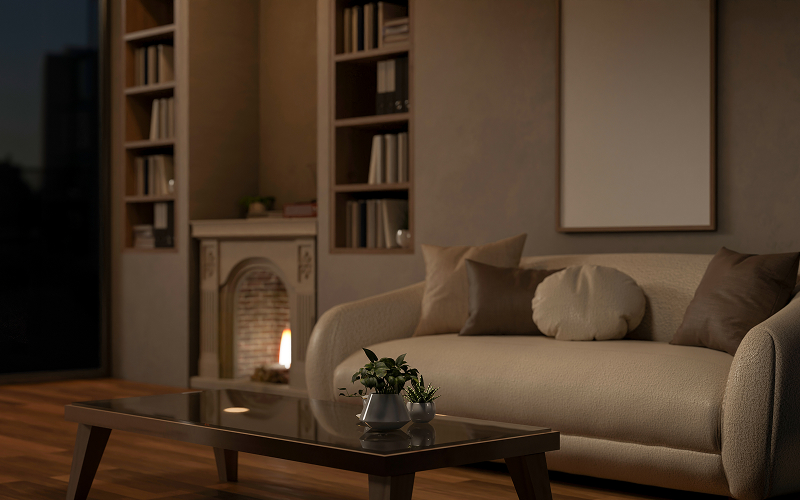
A living room can nurture conversation or nudge people into silence. When seats point at a screen, light reflects into eyes, and clutter distracts, guests retreat and chats fizzle. The remedy is simple to understand and satisfying to apply. Plan for people first, then for objects. This article turns the interior design of living room choices into a set of clear moves that favour eye contact, gentle sound, and easy circulation. Rather than buying a full suite of new furniture, you will learn to shape sightlines, layer practical light, quiet echoes, and edit storage so the room feels calm. These ideas scale for compact flats and larger homes, helping you host without fuss and enjoy everyday moments that feel unhurried.
1. Arrange Seating Around Faces, Not Screens
Begin with where attention lands. Place three main seats in a shallow triangle so everyone can hold eye contact without twisting. Angle chairs a touch toward the centre to soften posture, and keep the coffee table slim enough that a mug passes without leaning. Position the television off the dominant axis so it supports film nights without ruling daily life. A people-first triangle makes the interior design of living room plans feel welcoming the moment someone sits down.
2. Layer Light To Protect Eyes And Extend Evenings
Glare shortens conversations because faces become hard to read. Build three layers of light that you can vary with the time of day. Use a modest ceiling source for general brightness, a pair of floor lamps to lift corners, and warm task lamps beside seats for reading. If the sun is fierce, fit light-filtering curtains that soften glare while keeping a gentle glow. Keep any screen perpendicular to windows to limit reflections. With this control, the interior design of living room lighting supports relaxed eyes, a steady mood, and longer visits.
3. Calm The Room With Soft Sound, Not Silence
Echo tires voices and scatters attention. Add a dense rug to anchor the seating triangle, line windows with heavier curtains, and favour upholstered pieces over hard shells. Break up reflections with a bookcase or slatted timber so sound scatters rather than returns in a slap. High ceilings benefit from a woven pendant or fabric panel that interrupts the longest bounce path. When the reverberation tails off, the interior design of the living room acoustics turns overlapping chat into a pleasant hum.
4. Edit Storage So Attention Stays On People
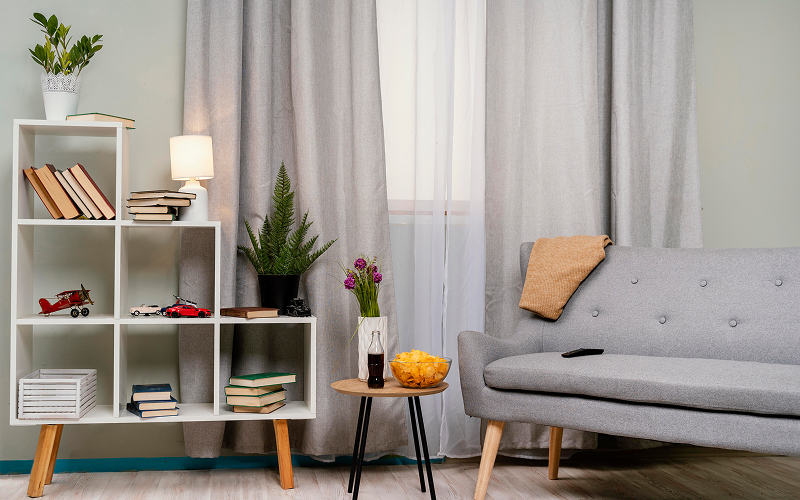
Visual noise competes with conversation. Keep remotes, cables and chargers in a shallow media cabinet; tuck toys into lidded baskets; fold blankets into an ottoman that doubles as a perch. Leave a clear route at least ninety centimetres wide through the space so movement never interrupts a story. Create a landing spot for cups and keys so small items stop spreading. With clutter managed, the interior design of the living room surfaces feels restful, which helps guests settle and stay present.
5. Shape Micro-Zones That Connect, Not Divide
A single room can hold several moods without feeling chopped. Place a reading chair by a window with a small side table for a lamp and a book. Set a console behind the sofa for board games or a laptop, and a perch near the kitchen pass so the person cooking remains part of the chat. Mark each zone by changing rug texture or lamp height rather than adding heavy partitions. Co-ordinated colours and repeated materials keep zones in dialogue, so the interior design of living room planning brings people together while giving them comfortable choices.
READ MORE: HDB Renovation Dos and Don’ts for Every Room in Your Flat
6. Use Materials That Invite Touch And Slow The Eye
Finishes steer how fast a room feels. Natural timber with visible grain, wool and cotton weaves, boucle and textured linen absorb light softly and create a gentle rhythm. Repeat key colours in three places so the scheme reads as one story. Keep large glossy planes to a minimum, as strong reflections can feel cold and distract from faces. By curating surfaces with care, the interior design of living room materials encourages people to relax their shoulders and talk for longer.
7. Keep The Host Inside The Circle Of Conversation
Gatherings falter when the host vanishes behind a counter. If your kitchen opens to the lounge, rotate the main sofa so the cook can see guests while preparing drinks. Choose a round or oval coffee table for smooth movement and support small group chats. Add reachable charging points and a tray for refills so no one has to keep getting up. These simple moves ensure the interior design of the living room flows, including the host, making evenings feel easy and shared.
Conclusion
Stronger bonds grow in rooms that help people see, hear and move with ease. Seat triangles place faces at the centre, layered light protects eyes from strain, and soft acoustics stop voices competing. Calm storage keeps attention on people rather than piles, and micro-zones give choice without separation. Tactile materials set a steady tempo, while thoughtful layouts keep the host in the conversation. Start small and work in a loop. Slide a chair to tighten the triangle, pivot a lamp to erase glare, roll out a rug that shortens echo, and clear a path that invites a slow wander with a cup.
Each adjustment makes the next easier, and together they create a living room that welcomes words, laughter and quiet pauses alike. When the space supports eye contact and relaxed posture, phones stay in pockets and time runs slower. That is the promise of a conversation-first approach to the interior design of living room spaces: more warmth, less friction, and a home that feels ready for company at a moment’s notice.
Visit Living Comforts to book a short design chat and explore tailored layouts, layered lighting plans and smart storage ideas.
