
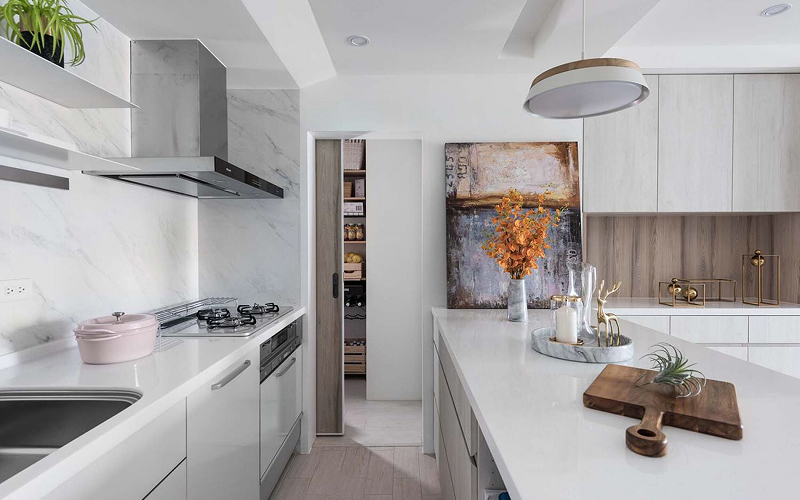
Designing a kitchen HDB setup demands practical thinking. Space runs tight, workflow matters and every square foot needs to deliver value. Whether working with a newly renovated flat or upgrading older interiors, the kitchen must support daily use. Function, not flash, drives the success of any HDB kitchen. Choosing the right layout, optimising storage, and simplifying movement remain key.
Planning the Right Layout for an HDB Kitchen
The first thing to get right in any kitchen HDB project is the layout. The shape determines flow. Efficiency in movement saves time, avoids clutter, and improves usability. Many HDB kitchens follow standard floorplans—galley, L-shape, or U-shape. Galley kitchens, being long and narrow, need careful zoning. One side handles cooking, the other cleaning or preparation. Keep enough space between counters to allow movement while cooking.
L-shaped layouts work better in slightly wider kitchens. Appliances and storage stay concentrated along two walls, freeing up room to move. Homeowners often use one corner for a dining nook or coffee prep zone. U-shaped kitchens, though rarer in HDB flats, give more countertop space and storage options.
Open-plan kitchens grow popular, especially in 4-room or 5-room units. Knocking down walls between the kitchen and living area creates space for a counter island or breakfast bar. Make sure ventilation remains adequate. Cooking zones need good airflow and extraction to keep grease and heat from spreading across the home.
Always think in terms of the “kitchen work triangle”: stove, sink, and fridge. These three points form the path most used in everyday cooking. Keeping them close, but not cramped, improves workflow. Avoid placing the fridge too far from the prep area, and keep the sink accessible from both the stove and counter. Designing a kitchen HDB layout around this triangle keeps daily tasks flowing smoothly.
ALSO READ: The Ultimate Shopping Guide for Kitchen Interior Decoration That Pops
Smart Storage Solutions for Small HDB Kitchens
Storage planning makes or breaks kitchen usability. An effective kitchen HDB design emphasises functional cabinets, drawers, and wall-mounted fixtures. Overhead cabinets stretch storage upward. Use these for less-frequently accessed items, such as seasonal appliances, dry goods, or bulk kitchenware. Opt for full-height cabinets to make full use of vertical space.
Deep drawers work better than traditional base cabinets. They slide out, giving access to pots, pans, and baking trays. Shallow drawers above can store utensils, knives, and other tools. Internal dividers keep everything in order. Pull-out racks or baskets inside cabinets make storage more accessible. You avoid wasted corners or deep areas that collect clutter.
Add wall rails or magnetic strips to free up drawer space. Hanging tools, ladles, and spatulas keep them within reach. Dish racks that mount above the sink save counter space while improving drying efficiency. Choose stackable containers for pantry items. Uniform bins store better than mismatched jars and bags. Labelling saves time, especially in tight kitchens.
Trolleys or portable shelves offer flexible storage. Use one for spices, sauces, or condiments near the stove. Wheel it away when cleaning or creating more room for cooking. Multi-functional furniture, like kitchen carts with drawers and tabletops, supports daily tasks in smaller units.
Maximising storage in a kitchen HDB design takes more than adding cupboards. It means ensuring each item has a place, and everything is used without disrupting workflow.
Choosing Materials That Support Daily Use
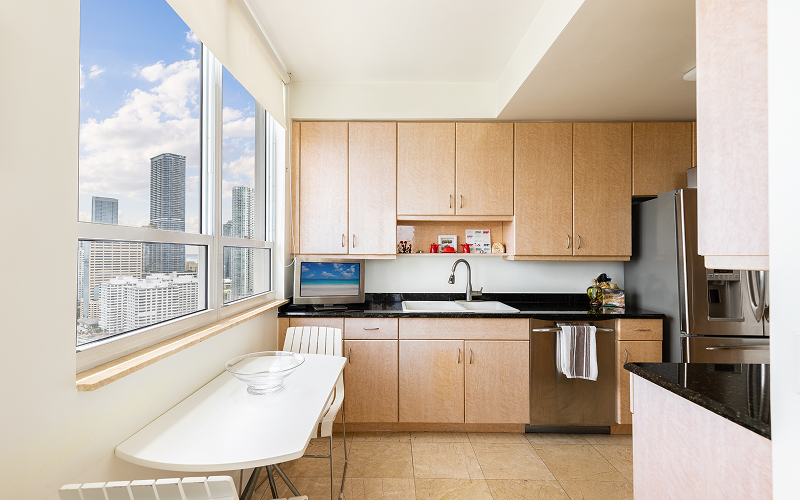
Durability counts in any kitchen design. For HDB kitchens, high-use surfaces must stand up to wear and tear. Start with countertops. Quartz remains a top choice—resistant to stains, scratches, and heat. Laminate surfaces offer a cost-effective option, but quality varies. Stick with those that resist moisture and swelling.
Cabinet materials should handle high humidity. Plywood with a solid laminate finish balances affordability and strength. Avoid particleboard in wet areas. Go for soft-close hinges and sturdy hardware. Metal drawer systems outlast plastic ones.
Backsplashes protect walls from splashes and grease. Use tiles with smooth, wipeable surfaces. Glossy finishes clean more easily than matte ones. For flooring, ceramic tiles or vinyl planks offer durability and water resistance. Avoid polished marble since it scratches and stains too easily.
Paint finishes also matter. Use washable paints or backsplashes with easy-clean properties. For appliances, go with built-in units where possible. They save space and streamline the look. Choose ovens, microwaves, and hobs that fit tight spaces while still offering enough power and capacity for home use.
Lighting plays a crucial role too. Under-cabinet LED strips brighten worktops without shadows. Downlights over cooking and prep zones improve visibility. Stick with warm white or neutral tones to keep the kitchen inviting.
Designing a kitchen HDB space around strong, practical materials ensures it supports daily cooking, cleaning, and entertaining without quick wear.
Zoning the Kitchen for Function and Flow
Zoning splits the kitchen into task-based areas. It keeps traffic smooth and clutter minimal. Think in terms of prepping, cooking, washing, and storing. Each task zone needs the right tools, storage, and proximity to other zones. Prep happens near the sink and fridge. Cooking happens around the hob and oven. Washing up needs a deep sink, drainage rack, and storage for detergents.
Place knives, boards, and prep bowls near the chopping area. Pots, pans, and cooking utensils should stay close to the stove. Keep plates, glasses, and flatware near the sink or dishwasher for easy unloading. Position pantry items near prep zones for fast access to oil, sauces, or dry goods.
Avoid cross-traffic between zones. Guests or children walking through the kitchen while cooking creates risk. Use kitchen islands or partial walls to guide the flow. Leave open paths between the entrance and dining areas, without cutting across the stove or sink.
Zoning creates order in a kitchen HDB setup. It cuts down on back-and-forth steps, helps maintain tidiness, and speeds up common tasks. Every element should support the purpose of the space it’s in. That principle keeps kitchens efficient, even when they’re small.
Lighting a Kitchen HDB Space for Form and Function
Lighting changes how a kitchen feels and functions. In a kitchen HDB layout, every light source must serve a clear purpose. Natural light helps, but artificial lighting ensures consistency during early mornings, evenings, and rainy days. Planning layers of light, like ambient, task, and accent, improves how the kitchen performs across different uses.
Ceiling-mounted lights provide general illumination. These usually come in the form of LED downlights or flush-mounted fixtures. Choose warm or neutral tones to keep the kitchen cosy without creating yellow shadows. Cool lights often wash food out, while overly warm lights make surfaces look dull. Distribute lighting evenly across the space to avoid dim corners.
Task lighting deserves specific focus. Under-cabinet lighting brightens worktops during chopping or prepping. Recessed LED strips work well for this, avoiding bulky fixtures while staying hidden from sight. Install switches for these task lights separate from the main lights to control them independently. Cooking zones also benefit from directional lights or range hood lighting.
Accent lights create mood and style. Hanging pendant lamps above an island or dining counter offer ambience without overpowering brightness. Choose smaller bulbs with soft diffusion to avoid glare. Dimmers give more flexibility for those using the kitchen beyond cooking, like working from home or helping kids with homework.
Natural light deserves support. Install sheer blinds or glass panels on the service yard door to allow daylight in without compromising privacy. Consider reflective surfaces, like backsplashes, gloss tiles, and glass panels, to bounce light across the kitchen.
Lighting remains critical for safety, comfort, and visual appeal. In every kitchen HDB upgrade, poor lighting choices often become early regrets. Planning the right lighting system from the start avoids these frustrations.
Choosing Appliances That Fit and Function
Fitting the right appliances inside a kitchen HDB setup demands precise measurement and careful selection. Size matters just as much as power and performance. Bulky units overwhelm tight spaces. Small, underpowered appliances delay cooking and cleaning.
Start with the cooker hob and hood. Choose a two- or three-burner hob to balance cooking needs with countertop space. Induction hobs reduce heat and surface burn risk, especially useful in smaller kitchens. Wall-mounted cooker hoods with strong suction help remove grease and smoke, keeping nearby living spaces clean.
Next, consider the oven. Built-in ovens save space and streamline appearance. Place them at waist height inside tall cabinets to avoid bending down. Microwave-oven combos offer two-in-one solutions, particularly helpful in compact layouts. Choose models with grilling or baking functions for more flexibility.
For the fridge, measure the width and depth carefully. Ensure clearance for ventilation and door swing. Top-freezer models remain space-efficient. French-door fridges may look sleek but rarely suit smaller HDB flats. Prioritise energy ratings to keep running costs low.
Dishwashers, while still uncommon in HDB kitchens, can fit under-counter if planned early. Slimline versions take up less space while handling everyday loads. For those skipping dishwashers, invest in dual-basin or deep single-bowl sinks with extended drainboards for faster manual cleaning.
Washing machines often sit in kitchen utility areas. If doing so, go for front-loaders—they stack better and save water. Consider combination washer-dryers to save even more space, especially for 3-room units.
Small appliances like rice cookers, air fryers, kettles, and blenders need homes too. Dedicate a corner shelf or deep drawer for storing them when not in use. Keep power sockets nearby and avoid overloading circuits with adapters.
The best kitchen HDB designs make appliances intuitive, with every unit placed for ease of access and minimal disruption to flow.
Ensuring Safety in Compact Kitchens
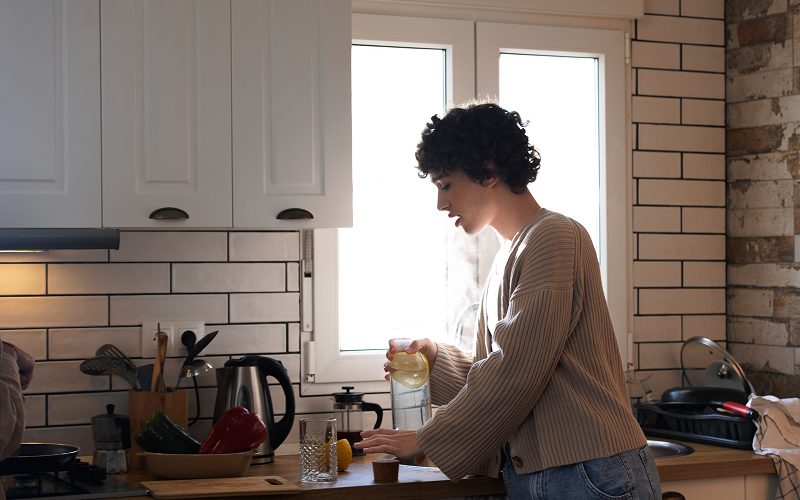
Safety plays a central role in designing a functional kitchen. In HDB units, where space runs tight and movement overlaps, small hazards can turn serious quickly. Proper planning reduces these risks.
First, electrical safety. Install enough sockets to avoid daisy-chaining appliances. Use waterproof or covered sockets near wet areas. Keep switches for high-power appliances separate. Place power outlets above counter level but below upper cabinets for ease of access without visible clutter.
Gas safety remains equally essential. If using piped gas or LPG cylinders, place them far from electrical outlets or sources of heat. Ensure proper ventilation around gas hobs. Check for leaks regularly. If going electric, ensure MCB protection and proper earthing.
Handle heat sources with care. Keep flammable items, such as paper towels, wooden utensils, and fabric oven mitts, away from the hob. Use induction or ceramic hobs to reduce burn risk in homes with children or pets. For ovens, allow space around doors for ventilation and movement.
Storage safety includes load-bearing capacity. Avoid overloading overhead cabinets. Use anti-slip mats in drawers to prevent tools from shifting during use. Install soft-close hinges to reduce finger injury risk.
Flooring should remain non-slip even when wet. Choose matte-finish tiles or treated vinyl planks. Avoid rugs unless you are using anti-skid mats underneath. Keep floors dry to reduce fall hazards.
Lighting also supports safety. Dim corners or shadowy cooking zones raise accident risk. Use task lights when you want to chop, fry, and boil. Install light switches at the entrance and near key zones.
Keep fire extinguishers nearby, and ensure smoke detectors work properly. Practice kitchen drills with household members, especially in households with elderly families or children.
Safety blends into design naturally in a kitchen HDB setup. Good layouts consider risks early, not as afterthoughts. Thoughtful planning creates a kitchen that supports daily use while keeping its users protected.
Bringing Personality Through Style and Finishes
A kitchen serves more than cooking. It reflects personal taste, home rhythm, and lifestyle choices. Within HDB flats, the design must meet function, but personality still deserves space.
Start with the colour palette. Light colours open up small kitchens. Whites, greys, and soft pastels reflect light and add a sense of calm. Pair these with warm wood tones or matte black fittings for contrast. Monochrome schemes work well for modern looks. For traditional charm, go with shaker-style cabinet fronts in muted tones.
Cabinet finishes affect mood and usability. Matte finishes feel understated and resist fingerprints better than gloss. Laminates in stone or timber textures bring natural warmth without needing heavy materials.
Backsplashes offer freedom for design flair. Use Moroccan-style tiles, geometric patterns, or glass panels with soft tint. These add interest without overwhelming small spaces. Neutral backsplashes let other elements stand out, like brass handles or concrete countertops.
Handles and hardware make subtle statements. Choose knobs or pulls in brushed nickel, matte black, or aged brass. For handleless systems, use bevelled edges or push-open mechanisms. Keep consistency in hardware tones across all fixtures.
Add personality with open shelving. Display jars, cups, or cookbooks that reflect lifestyle habits. Greenery lifts mood; herb pots or hanging plants break visual monotony while freshening the air.
For flooring, use consistent patterns across open-plan areas. This visually expands space and maintains flow. Choose textures that anchor the style: timber-look vinyl for rustic warmth, terrazzo tiles for vintage charm, or herringbone patterns for modern European touches.
Style makes the kitchen feel like part of the home, not a separate utility zone. Even in compact kitchens, the right finishes elevate how it feels to cook, clean, and gather.
Maintaining Long-Term Functionality and Ease of Cleaning
A kitchen must age well. In HDB units, long-term use reveals design flaws. That’s why every surface, fixture, and appliance needs to support daily cleaning and upkeep without constant repairs.
Smooth cabinet fronts with rounded edges clean faster than ornate ones. Avoid grooves or beadings that trap dirt. Use wipeable laminates or moisture-resistant PVC panels. Stick to solid surface countertops or quartz—they resist stains and survive heavy chopping and heat better than wood or tiles.
Wall protection helps too. Use glass backsplashes or tiles up to the hood. Avoid painted surfaces behind the stove as they peel and stain fast. Go for tiles with low grout lines to reduce cleaning time.
Sinks should drain efficiently. Choose deep basins to prevent splash and install drain baskets to catch debris. Use dish racks with trays to keep counters dry. Wipe spills immediately to avoid staining grout or wood joints.
Appliances must remain easy to maintain. Choose those with removable filters, non-stick interiors, and accessible panels. Range hoods with washable filters reduce greasy buildup. Use induction hobs for easy surface cleaning.
Organise cleaning tools well. Keep dishwashing liquid, brushes, sponges, and rags in pull-out trays under the sink. Hang towels on wall hooks or use magnetic strips.
Maintenance happens daily, not yearly. Designing a kitchen HDB space with ease of cleaning in mind protects the investment and keeps the kitchen fresh, usable, and pleasant.
Personalising a Kitchen HDB Without Compromising Function
Personalisation matters. Even in compact layouts, a kitchen HDB can reflect the lifestyle, habits, and preferences of the household. Function leads, but small touches create an emotional connection with the space.
Start with zones that allow expression, such as open shelves, display corners, and feature walls. Use framed prints or decals on empty backsplashes to add visual interest. Opt for custom drawer organisers to suit specific needs—one household may need a spice drawer; another may benefit from deeper bins for baking tools.
Use rugs or mats to define zones, such as a bright runner near the sink or a neutral-toned mat under the cooking zone. Just make sure they have non-slip backing. Hang personal mementoes like recipe cards, measuring conversions, or a wall-mounted chalkboard for grocery lists.
Glass-front cabinets or open shelving let curated kitchenware double as décor. Colour-coded jars, vintage cups, or handmade pottery bring warmth to neutral kitchens. Add a foldable table or wall-mounted shelf for casual meals or conversations.
Greenery refreshes the environment. Consider small indoor herbs on windowsills or vertical plant hangers. Basil, mint, or rosemary thrive in natural light and get used during meal prep. Plants absorb smells and brighten tight corners.
Use scent as a design element. Reed diffusers or essential oil burners near the dining area add identity to the space. Choose fragrances that match the kitchen vibe, like citrus for clean energy, and cinnamon for warmth.
Even with size limitations, a kitchen HDB evolves into a space that feels lived-in and truly personal through considered styling.
Designing Seamless Flow Between Kitchen and Dining
A kitchen works better when connected smoothly with the dining area. In HDB flats, where walls often separate cooking from eating, removing or modifying partitions helps create better movement and sociability.
Use pass-through windows, sliding glass doors, or half walls to open up visual lines between the kitchen and dining. Add a bar-height counter to serve quick meals or drinks, which is especially useful in homes with frequent visitors. Place dining tables close enough for easy serving but far enough to avoid crowding.
Lighting helps reinforce this connection. Use pendant lights over the dining table that match or complement kitchen fixtures. Maintain similar flooring between the kitchen and dining to visually extend the space.
Ensure storage supports dining use. Nearby drawers or cabinets for placemats, cutlery, or serving ware reduce back-and-forth. In compact flats, consider wall-mounted foldable tables or slim buffet counters to extend space without crowding walkways.
Open-plan layouts allow conversations to flow across spaces. Parents can supervise kids while cooking. Guests can chat with hosts without entering prep zones. These features boost functionality and sociability at once.
Designing a kitchen HDB space with dining flow in mind increases its versatility, making it more than just a place to cook.
Adding Sustainable Features to Everyday Kitchen Use
Sustainability fits naturally into a kitchen HDB environment. Efficient layouts, compact appliances, and conscious material choices already reduce environmental impact. Additions build on this to lower waste, energy use, and resource strain.
Use energy-efficient appliances, those with high energy labels consume less power and water. Choose induction cooktops for faster heating with less ambient heat loss. Switch to LED lighting for longevity and reduced electricity bills.
For water-saving, install low-flow aerators on taps. Use single-lever mixers for quicker adjustments. Wash vegetables in a basin, not under running water. Reuse greywater from rinsing to water plants.
Plan a composting zone for food scraps. Small countertop bins or under-sink containers make this easy. Partner with nearby composting groups or use scraps in home gardens. For food storage, shift from plastic bags to reusable silicone pouches or glass jars.
Reduce packaging waste by using refillable dispensers for dishwashing liquid and hand soap. Buy dry goods in bulk and store them in labelled airtight jars. Use cloth towels instead of paper.
Recycling requires clear sorting. Dedicate a cabinet section for recyclables. Label bins for paper, plastic, metal, and glass. Teach everyone at home how to follow local recycling guidelines.
Designing a kitchen HDB setup for sustainability doesn’t need large overhauls. It thrives on small, consistent choices that align with practical daily habits.
Final Thoughts: Bringing It All Together
A well-designed kitchen HDB balances layout, storage, safety, style, and sustainability. It supports cooking, gathering, cleaning, and relaxing without adding stress. Success doesn’t lie in overdesigning or chasing aesthetics. It starts with practical planning, fitting layout to routine, choosing durable materials, using lighting wisely, and keeping appliances efficient.
Design improves with personalisation. It strengthens with better flow. It sustains through ease of cleaning, safety features, and responsible habits. For HDB homeowners, creating a kitchen that works doesn’t mean copying magazine trends. It means building one that serves the real needs of the people living in it every day.
The best kitchens don’t just look good. They feel right. They move with your routine. They reflect who you are, and they work as hard as you do.
Planning your next kitchen HDB layout? Visit Living Comforts for room ideas, décor inspiration, and practical tips on life at home. From smart storage to sustainable styling, you’ll find helpful guidance to shape spaces that truly work for you.
