
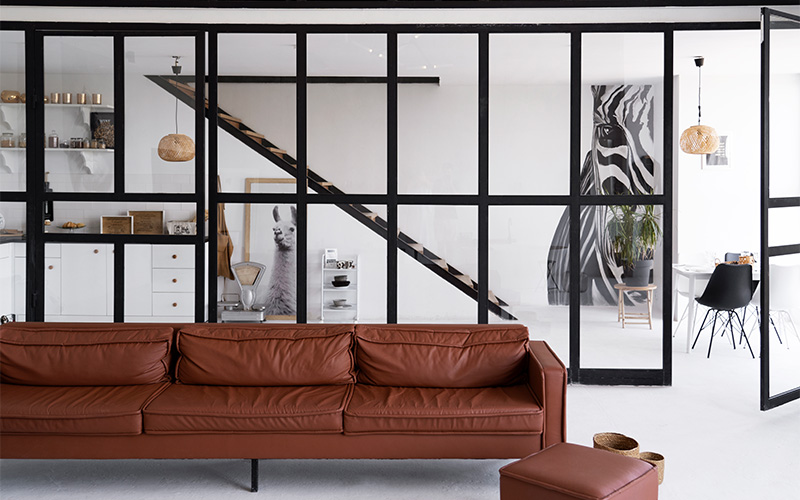
Industrial interior design has captured the imagination of homeowners and commercial space owners alike, becoming one of the most distinctive and enduring styles of the modern era. Originating from the practical conversion of old factories and warehouses into living and working spaces, this design movement has evolved to blend raw materials and minimalist aesthetics with a touch of contemporary flair. Its journey through history reveals how social changes and urban developments have shaped its unique identity, making it a fascinating subject for anyone interested in interior design.
Early Origins In The Industrial Revolution
The roots of industrial interiors can be traced back to the late 18th and early 19th centuries, when the Industrial Revolution transformed cities across Europe and North America. Factories sprang up in urban centres, built from robust materials like iron, steel, brick, and concrete. These buildings featured large windows to let in natural light and open floor plans to accommodate machinery and workers. While these structures were purely functional at the time, their simple forms and raw finishes would become the foundation for industrial interior design much later.
Post-Industrial Urban Decay And Revival
As the 20th century progressed, many of these industrial spaces fell into disuse as manufacturing moved elsewhere. By the mid-century, cities like New York and London saw abandoned warehouses and factories dotting their landscapes. Rather than letting these buildings decay, creative communities—artists, musicians, and entrepreneurs—began to see the potential of repurposing them into homes, studios, and galleries. They retained much of the original architecture, celebrating the exposed pipes, brick walls, and concrete floors as integral elements of the space. This adaptive reuse of industrial structures laid the groundwork for industrial interior design as a celebrated style.
The Loft Living Movement

In the 1960s and 70s, the loft living movement in cities such as New York’s SoHo and London’s Docklands propelled industrial interior design into the mainstream. The spaciousness and character of these converted factories offered a unique alternative to traditional flats and homes. With high ceilings, open layouts, and abundant natural light, these lofts exuded a modern yet historical charm. Residents began to embrace the raw aesthetic of industrial materials, turning what was once considered merely functional into a signature look. Over time, this style found its way into commercial spaces, including cafes, offices, and shops, blending its rugged elegance with urban sophistication.
Key Elements That Define The Style
The success of industrial interior design lies in its distinct combination of elements that have transcended decades. Exposed brick walls are a hallmark, offering warmth and texture that contrast with steel beams and concrete floors. These natural materials remain unpolished, celebrating their roughness and imperfections. Metal features, such as lighting fixtures and furniture frames, add to the utilitarian feel, while salvaged wood introduces an organic touch that softens the overall look.
Another defining aspect of industrial interiors is its emphasis on open-plan living. This layout allows for flexibility and fluidity, with spaces merging seamlessly into one another. High ceilings and large windows maximise natural light, reinforcing the style’s connection to its factory origins. The result is a space that feels both expansive and grounded, balancing history with modernity.
Evolving Into Contemporary Spaces
As industrial interior design continued to evolve, it began to merge with other styles, creating hybrids that cater to modern sensibilities. In Singapore, industrial design style has become especially popular in both residential and commercial settings. Homeowners appreciate how it can be adapted to the compact spaces typical of city living. Restaurants and cafes in trendy neighbourhoods embrace the style for its ability to evoke a sense of authenticity and urban cool.
Today, industrial interior design is no longer limited to repurposed warehouses. Many new-build apartments and commercial buildings incorporate industrial elements right from the design stage. Sleek finishes coexist with vintage-inspired features, resulting in a contemporary interpretation of the classic industrial style. This blend of old and new makes industrial interiors versatile and timeless.
The Global Influence And Singapore’s Unique Take
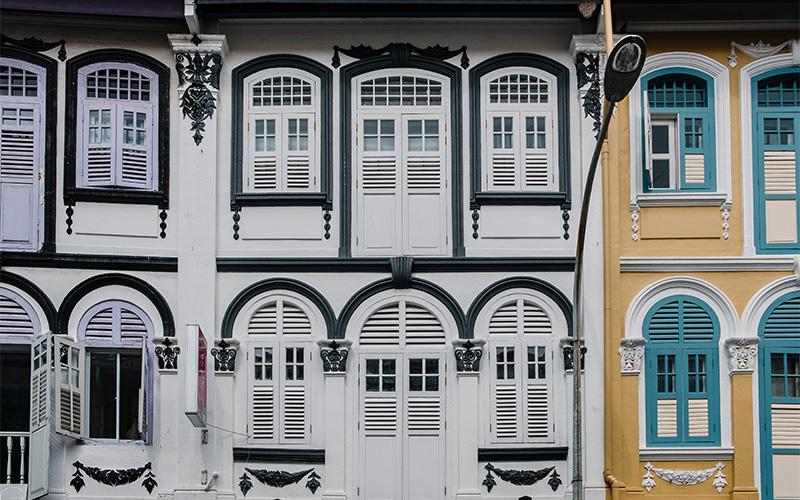
Industrial interior design has seen global adoption, but each locale adds its flavour to the trend. In Singapore, the style resonates with the city’s multicultural heritage and modern architectural aspirations. Shophouses and colonial-era buildings have been transformed into chic industrial-inspired spaces that honour their historical character while embracing modern functionality.
Local designers in Singapore have also found ways to adapt industrial interior design to suit the humid tropical climate. While exposed concrete and brick remain popular, they are often complemented with light-coloured woods and airy textiles that promote ventilation and comfort. This creative adaptation ensures that the industrial interiors in Singapore retains its gritty elegance without compromising practicality.
Sustainability And Industrial Interior Design
One of the reasons industrial interior design has remained relevant is its inherent sustainability. By repurposing existing structures and salvaging materials, the style promotes a reduce-and-reuse ethos. Singapore’s growing interest in sustainability has only strengthened this approach. Designers incorporate upcycled furniture, reclaimed wood, and vintage lighting, giving new life to materials that might otherwise end up in landfills.
This commitment to sustainability aligns with Singapore’s larger push towards green living and environmentally conscious design. This style thus not only preserves the aesthetic of a bygone era but also aligns with the modern need to create sustainable urban environments.
Industrial Interior Design In Singaporean Homes
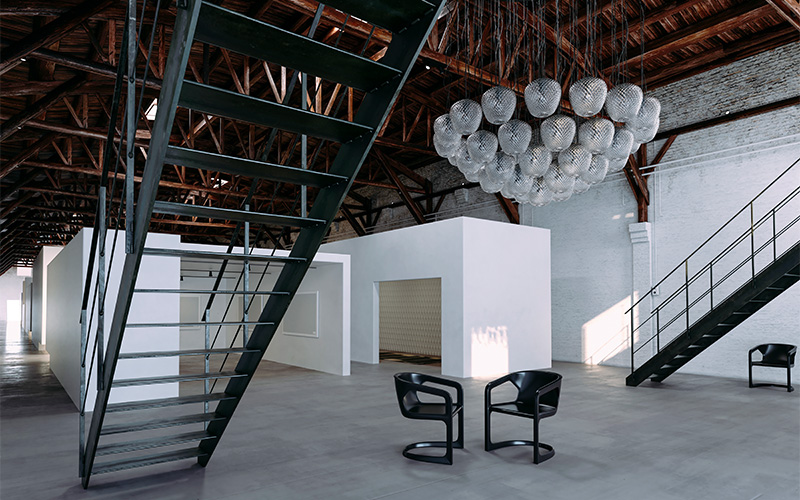
In Singaporean homes, industrial interior design can be both striking and practical. Many homeowners are drawn to its straightforwardness—there’s no need for excessive decoration or complicated motifs. Instead, the focus is on quality materials, clever layout, and a warm yet rugged feel that suits busy urban lifestyles.
A typical industrial-themed flat in Singapore might feature a concrete feature wall, metal-framed glass doors, and furniture that combines wood and steel. The colour palette is usually muted, with greys, browns, and blacks taking centre stage. This restrained use of colour allows the textures and natural finishes to shine, creating a home that is as comforting as it is stylish.
ALSO READ: How to Achieve a Utilitarian Industrial Home Decor
Challenges And Creative Solutions
Of course, working with this style in Singapore’s humid climate and compact spaces does pose challenges. Concrete and metal surfaces can feel heavy or too cool, especially in smaller homes. To address this, designers often introduce natural elements like wooden shelving, greenery, and soft textiles. These features help create balance, adding warmth and texture to the otherwise raw aesthetic.
Lighting also plays a crucial role. In industrial interior design, large statement lamps or track lighting are used to illuminate spaces while adding to the industrial vibe. In smaller HDB flats or condos, designers get creative by using pendant lights or wall-mounted fixtures that echo the industrial aesthetic without overwhelming the space.
From Factories To Fine Dining
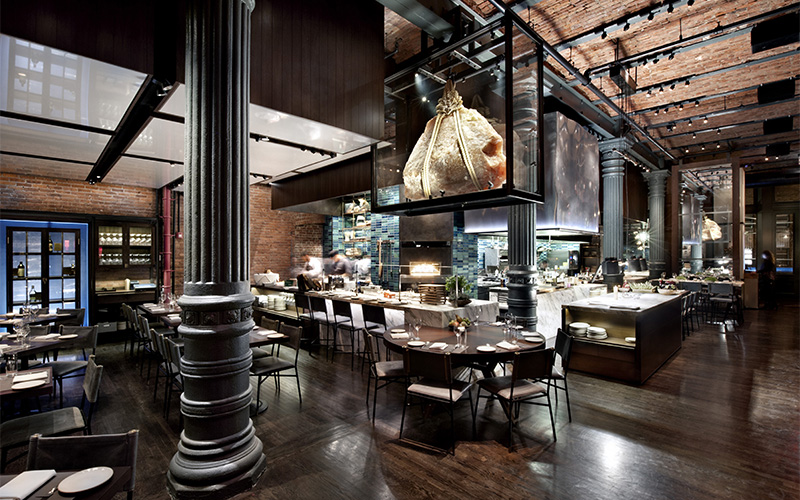
Beyond residential applications, industrial interior design has made its mark on Singapore’s vibrant food and beverage scene. Cafes, bars, and restaurants throughout the island use the style to create inviting yet edgy spaces. Exposed brick walls paired with metal stools and warm wooden tables create a relaxed and welcoming atmosphere, perfect for social gatherings.
These venues often use this style as a backdrop for creative menus and artisan coffee, offering patrons an experience that feels both urban and authentic. This marriage of style and function showcases how industrial interior design continues to inspire innovation in Singapore’s competitive hospitality industry.
The Enduring Allure Of Industrial Interior Design
What keeps industrial interior design relevant and captivating is its authenticity. In an age of fast-changing trends and mass-produced decor, industrial interiors stand apart as a style that values heritage and craftsmanship. The exposed beams, rough textures, and honest materials tell a story of human ingenuity and urban resilience.
Moreover, its flexibility ensures that it can evolve with changing lifestyles. Whether it’s a compact city flat, a sprawling commercial space, or a quaint cafe tucked in a shophouse, industrial interiors adapt effortlessly. It brings history into the present while offering a canvas for personal expression and creativity.
Industrial Interior Design In Modern Workspaces
Industrial interior design has also become a popular choice for modern offices and co-working spaces in Singapore. The open-plan layouts, exposed structures, and mix of vintage and contemporary furniture create a dynamic and inspiring environment. By using industrial elements in workspaces, businesses can foster a creative and collaborative atmosphere that promotes productivity and innovation.
This industrial approach also appeals to start-ups and small businesses looking to make a bold design statement while keeping renovation costs manageable. The raw materials and minimalistic finishes typical of industrial interior design often align with budget-friendly renovation approaches, making it a practical yet stylish choice for today’s office culture.
Future Prospects Of Industrial Interior Design
Looking ahead, this style shows no signs of fading into obscurity. As Singapore continues to grow and urbanise, the need for functional yet aesthetically pleasing spaces will only increase. The style’s adaptability and sustainable nature make it well-suited to future trends in urban living and commercial spaces.
Moreover, the continuing evolution of materials and technology opens new possibilities for industrial interior design. Designers are exploring ways to incorporate smart-home technology and sustainable practices into this style without compromising its timeless aesthetic. This ensures that industrial interiors will remain a relevant and beloved style for generations to come.
Conclusion
Industrial interior design’s journey from the factories of the Industrial Revolution to contemporary Singapore homes and businesses is a testament to its timeless appeal. Its raw beauty, practicality, and adaptability have cemented its place in the world of interior design. As Singapore continues to grow and evolve, so too will how this beloved style is interpreted and implemented.
If you’re inspired by the story of industrial interior design and want to stay updated on the latest trends, visit Living Comforts for fresh content and design inspiration.
