
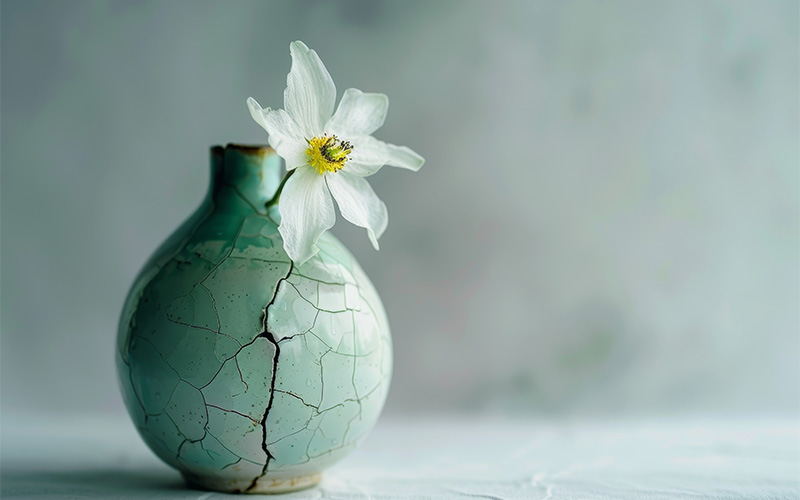
The art of Kintsugi, a centuries-old Japanese tradition of mending broken pottery with gold, has transcended its original purpose to inspire modern living spaces. Its essence lies in embracing imperfections, highlighting them with beauty instead of concealing them. When applied to contemporary interior design, Kintsugi brings a philosophy of resilience, elegance, and sustainability that reshapes how we perceive imperfections in our living spaces.
Understanding the Philosophy of Kintsugi
Kintsugi, which translates to “golden joinery,” is more than just a method of repair—it’s a philosophy that finds beauty in the flawed and broken. In Japanese culture, Kintsugi is symbolic of embracing damage and turning it into something even more valuable. When applied to contemporary interior design, this philosophy challenges the obsession with perfection, encouraging homeowners to celebrate the cracks, chips, and irregularities that tell a story of resilience and character.
The modern design landscape often leans towards sleekness and flawlessness. However, Kintsugi introduces a touch of authenticity by preserving and enhancing imperfections. This perspective allows for creative expressions in design, making spaces feel more genuine and connected to the human experience. It shifts the focus from hiding imperfections to highlighting them with purpose, adding character and uniqueness to contemporary interior design.
Integrating Kintsugi into Modern Spaces
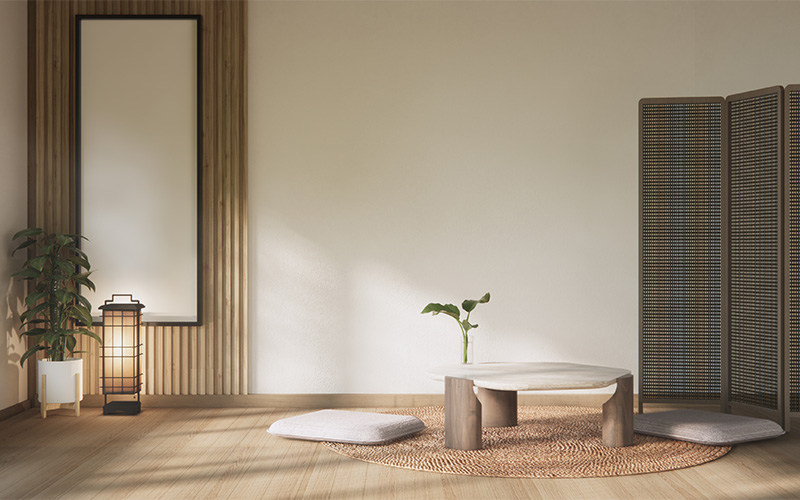
Applying the Kintsugi concept in contemporary interior design goes beyond mere decoration. It can be woven into various elements of a home, offering both aesthetic beauty and philosophical depth. For instance, cracked wall finishes can be accentuated with metallic paints that mimic the golden seams of Kintsugi pottery, creating a unique focal point in a living room or hallway. This deliberate celebration of imperfections adds layers of visual interest, transforming what would be seen as flaws into statements of beauty.
Furniture is another area where Kintsugi can shine. Wooden tables or cabinets with minor damages can be restored using gold or metallic inlays, embracing their history rather than discarding them. This approach not only extends the life of the furniture but also brings a sense of artistry to everyday objects. By incorporating this method, contemporary interior design evolves from merely functional to deeply expressive, narrating stories of resilience and renewal.
Kintsugi-inspired lighting fixtures are also gaining popularity in modern spaces. Pendant lights with cracked glass edges repaired with metallic finishes add a sophisticated yet imperfect beauty that aligns with minimalist interiors. These elements serve as conversation pieces, reminding occupants that beauty can be found in the incomplete and the repaired.
The Symbolism of Imperfection in Modern Homes
In a world increasingly driven by mass production and uniformity, the Kintsugi philosophy in contemporary interior design is a breath of fresh air. It symbolises acceptance of the imperfect and the incomplete, qualities often neglected in modern décor trends. By embracing flaws as part of a space’s character, homeowners are encouraged to see their living spaces as evolving entities rather than fixed designs.
This perspective also brings sustainability into focus. Rather than discarding items that are chipped or cracked, Kintsugi-inspired design suggests repairing them in a way that elevates their appearance. This not only reduces waste but also fosters a deeper connection between the homeowner and their possessions. Each repaired item carries a story, transforming spaces into living narratives rather than mere displays of perfection.
ALSO READ: How to Achieve a Minimalist Home Without Decluttering Everything
Practical Applications of Kintsugi in Singaporean Homes
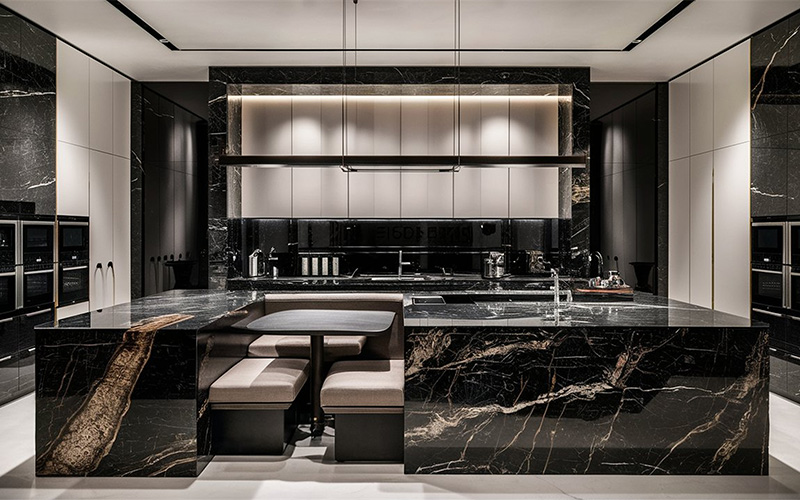
In the context of Singapore’s urban lifestyle, contemporary interior design often prioritises sleekness and minimalism. Yet, the introduction of Kintsugi-inspired elements can add warmth and individuality to these modern spaces. For example, a cracked marble countertop can be filled with gold or brass resin to create a stunning feature that blends luxury with imperfection. This not only preserves the functionality of the surface but also elevates its aesthetic appeal.
Moreover, the use of Kintsugi principles extends beyond mere repair. Walls with slight imperfections can be enhanced with metallic paints to create a textured look, adding depth to living spaces. Even pre-loved furniture can be revitalised with Kintsugi-inspired touches, turning wear and tear into artistic expressions that enhance the character of the room.
Embracing Imperfections with Purpose
In contemporary interior design, the idea of perfection often dominates. However, the philosophy of Kintsugi shifts this narrative, reminding us that imperfections can be sources of beauty and strength. By incorporating this ancient Japanese practice into modern spaces, homeowners are given the chance to celebrate their belongings’ histories rather than erasing them. This not only aligns with sustainable living but also creates a more authentic and personalised design aesthetic.
Kintsugi teaches us that true beauty lies not in flawlessness but in resilience and renewal. Applying this concept to interior design allows homeowners to craft spaces that are not only beautiful but meaningful. In a city like Singapore, where urban living can sometimes feel uniform, Kintsugi-inspired contemporary interior design brings a touch of uniqueness that is both timeless and deeply symbolic.
Conclusion
The integration of Kintsugi into contemporary interior design invites us to celebrate imperfections as part of the beauty of our living spaces. It reshapes our understanding of flaws, turning them into focal points of elegance and resilience. For homeowners seeking to create spaces that reflect character and sustainability, Kintsugi offers a path towards both aesthetic beauty and philosophical depth.
Visit Living Comforts to discover more design inspirations that transform the ordinary into the extraordinary.
