
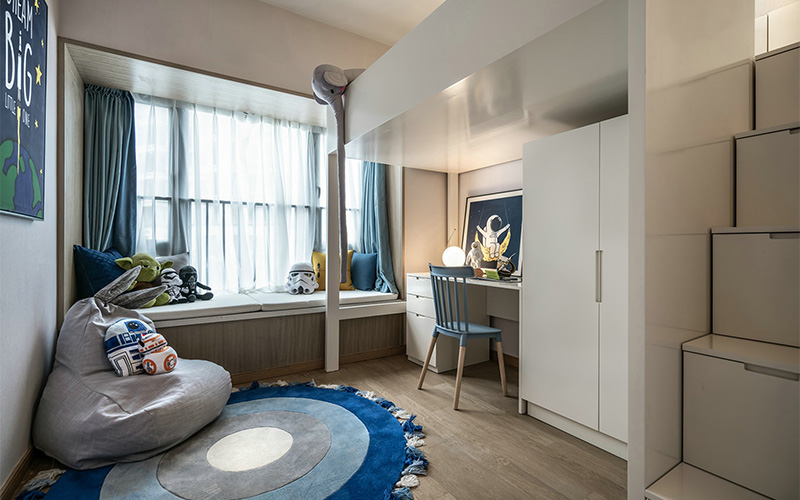
A typical 4-room BTO floor plan offers around 90 square meters of space, including three bedrooms, two bathrooms, a kitchen, a service yard, and a living-dining area. While the layout provides adequate room for most households, maximising its potential involves strategic planning.
Occupants often find themselves dealing with underused corners, cluttered walkways, or oversized furniture that compromises comfort. Reconfiguring zones based on daily routines sets the groundwork for functional design. Each space must support flow, activity, and ease of access.
Using sliding doors between areas like the kitchen and service yard eliminates the need for clearance space. Doing so enables smoother transitions without sacrificing storage. Installing built-in wardrobes from the start limits the footprint of bulky furniture, making bedrooms feel open and breathable. Thoughtfully zoning the living and dining spaces enhances visual separation, even without physical dividers.
Understanding the spatial boundaries within a 4-room BTO floor plan allows you to customise intelligently. Every adjustment should support long-term flexibility and day-to-day convenience.
Choosing Functional and Flexible Furniture
Furniture selection has a major influence on space optimisation. Oversized pieces quickly overwhelm smaller flats, while poorly placed items obstruct traffic flow. Choosing furnishings with multiple functions improves usability without crowding the room.
Opting for a bed frame with storage drawers helps eliminate the need for freestanding cabinets. Sofa beds serve double duty, especially in guest-ready homes. Foldable tables or wall-mounted desks adapt to various activities—dining, work, or leisure.
Modular furniture gives the layout more adaptability. Swapping sections, adjusting orientation, or stacking units opens up possibilities. Using slim-profile designs ensures each area remains comfortable and visually tidy.
Maximising a 4-room BTO floor plan means selecting furniture for how it performs, not just how it looks. Function-first decisions provide both aesthetic coherence and daily practicality.
Optimising Vertical and Wall Space
Many residents overlook wall height when organising belongings. Shelves, overhead cabinets, and hanging rails all contribute to clutter reduction without occupying precious ground space.
Installing floating shelves in the living area or bedroom keeps essentials accessible without closing off movement. Using pegboards or vertical racks in kitchens improves utensil organisation while freeing up counters. Tall storage units in bathrooms can hold linens and supplies without breaking the flow.
Utilising corners by wrapping shelves or fitting customised carpentry improves storage capacity without disrupting the layout. Wall-mounted lighting or TV brackets also minimise the need for floor stands or side tables.
A well-planned vertical layout enhances storage while giving each zone breathing space—a strategy perfectly suited to the structure of a 4-room BTO floor plan.
ALSO READ: 4 Stylish Tips For Decorating Your BTO Flat
Zoning Open Areas with Smart Dividers
An open-concept living-dining area encourages interaction but risks looking chaotic without clear zoning. Strategic dividers or visual cues can separate functions while keeping the space cohesive.
Placing rugs under each zone helps define activity areas. Varying ceiling fixtures—such as pendant lights over dining tables—signal purpose without adding bulk. Positioning a bookshelf or half-height console between the living and dining zones establishes a gentle division.
Frosted glass panels, louvred partitions, or sliding wooden screens create boundaries without blocking light or airflow. These elements work particularly well in homes needing flexible layouts or multi-use spaces.
Effective zoning supports a harmonious and spacious feeling in any 4-room BTO floor plan, allowing each corner to perform its role while contributing to the overall flow.
Maximising Natural Light and Reflection
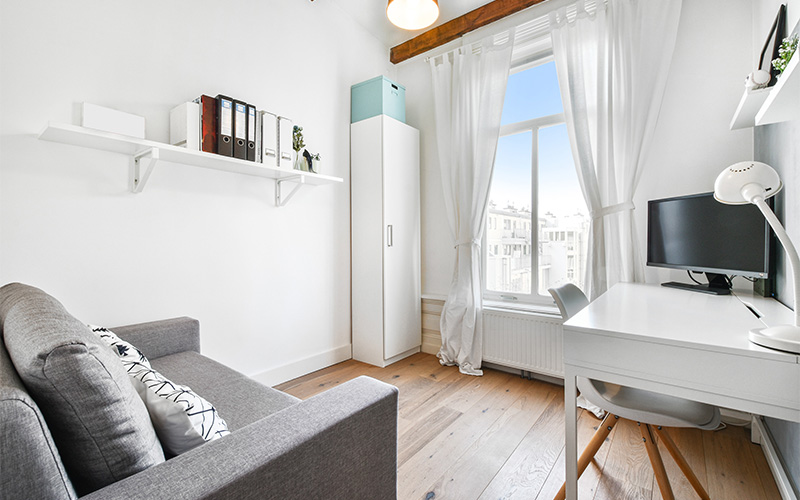
Many are still unaware that natural light can expand visual space and improve mood, apart from enhancing the interior. Maximising daylight reduces the need for artificial lighting, making interiors feel fresher and more open. Removing unnecessary obstructions helps sunlight reach deeper into the unit.
Using reflective surfaces like mirrors or glossy finishes amplifies available light. A large mirror opposite a window doubles brightness and adds depth. Choosing light-coloured flooring and cabinetry keeps the space feeling airy and unobstructed.
Avoiding heavy curtains or dark furniture near windows preserves clarity and improves ventilation. Positioning furniture to allow window access rather than blocking it ensures optimal benefit from natural light.
A brighter interior gives the illusion of more space, which enhances any compact layout—especially one based on a 4-room BTO floor plan.
Smart Storage Integration Across the Home
Efficient storage remains essential for clutter-free living. Integrating smart storage solutions into everyday fixtures eliminates the need for additional units that may restrict movement.
Entryway benches with storage compartments, under-bed bins, or pull-out pantry cabinets enable easy organisation without increasing visual noise. Bathrooms benefit from mirror cabinets and recessed shelving to keep surfaces clear.
In living areas, ottomans or coffee tables with hidden compartments offer storage without compromising design. Installing storage above doorways or along awkward angles improves the usage of less noticeable spaces.
Embedding storage within architectural elements, like platforms or stairs, increases utility without visible bulk. Making storage part of the layout rather than an afterthought elevates functionality in any 4-room BTO floor plan.
Discover more home design inspiration and practical layout ideas for your 4-room BTO floor plan—visit Living Comforts for expert insights into maximising modern homes with comfort and style.
