
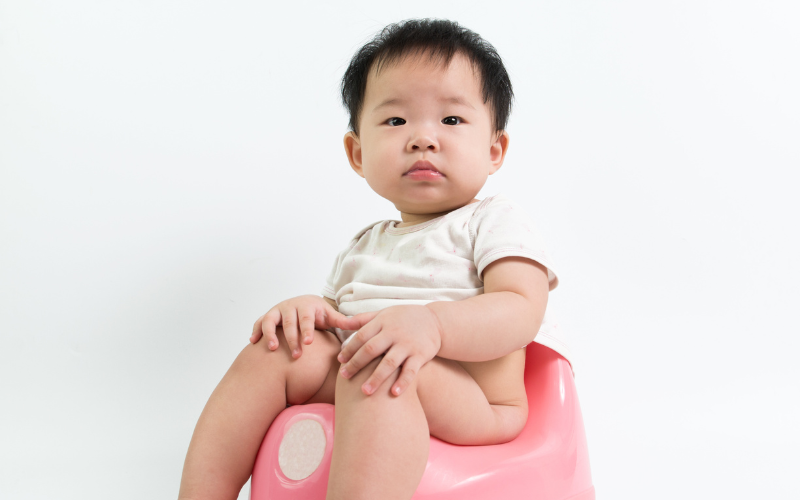
Potty training is an important milestone in every child’s development, marking their transition from nappies to independence. While every child progresses at their own pace, understanding the right approach can make the process smoother and less stressful for both parents and toddlers. If you are wondering when to start potty training, what the ideal potty training age is, and how to navigate common challenges, this guide will help you get started.
When to Start Potty Training
The right time to begin toddler potty training varies for each child, but most children are ready between 18 months and three years old. Rather than focusing on a specific age, watch for signs of readiness. Some indicators include staying dry for longer periods, showing discomfort with soiled nappies, being able to follow simple instructions, and expressing interest in using the toilet. If your child resists potty training or does not seem ready, it is best to wait a little longer rather than forcing the process.
Preparing for the Potty Training Journey
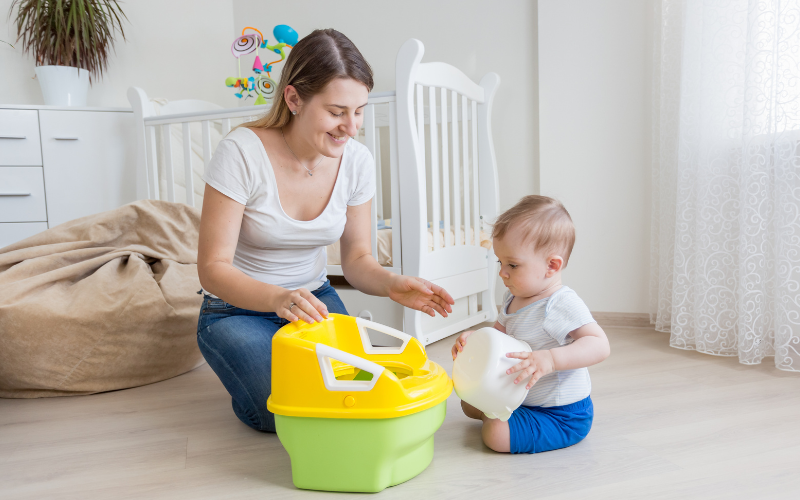
Before you officially begin, ensure your child feels comfortable with the idea of using the potty. Introduce them to a child-friendly potty or a toilet seat adapter and let them explore it. You can also encourage them by reading potty training books or watching age-appropriate videos about using the toilet. Setting up a routine, such as taking your child to the potty after meals or before bedtime, helps create a sense of familiarity. In some households, integrating reminders through a smart home assistant can be a helpful way to keep that routine consistent and engaging.
Choosing the right potty also makes a difference. Some toddlers prefer a standalone potty, while others feel more confident using a child seat on the regular toilet. Allowing your child to choose their own potty or fun underwear can help make the experience more exciting for them.
Effective Toddler Potty Training Techniques
A positive and patient approach is key to successful potty training. Encourage your child by using praise and rewards, such as a sticker chart or verbal affirmations, whenever they successfully use the potty. However, avoid pressuring them or showing frustration if they have accidents. Accidents are a natural part of the learning process, and responding calmly will help them feel more secure.
Timing is also crucial. Encourage your child to use the potty at regular intervals, especially after meals or when they wake up. You can set up an alarm if you have a smart home for “potty time” using an Alexa or any home assistant device. If they seem reluctant, do not force them to sit for long periods. Instead, make potty time fun by telling stories, singing songs, or using a special toy.
Dealing With Common Potty Training Challenges
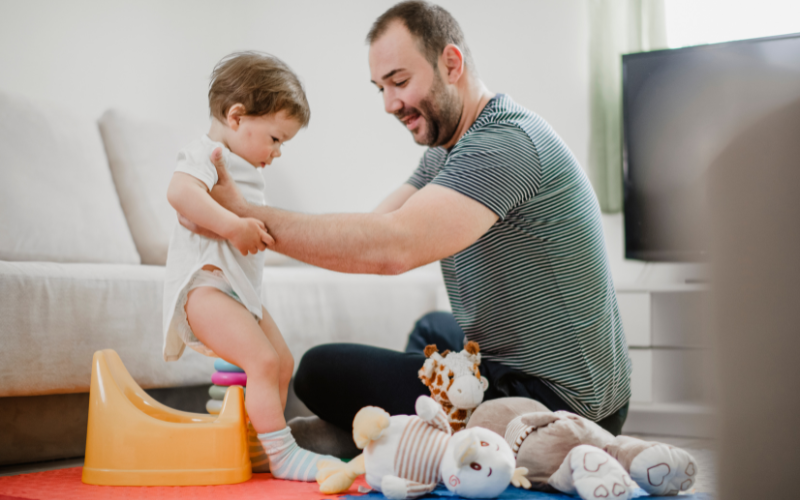
Every child experiences setbacks during potty training, and it is normal to face some resistance. If your child refuses to use the potty, try to understand their concerns. They may be afraid of the toilet, dislike the sensation of sitting on a potty, or simply be too engaged in playtime to stop. In such cases, gentle encouragement and patience will help them feel more comfortable. Some parents find it helpful to use smart home tools, like voice assistants or scheduled alerts, to remind toddlers when it’s time for a potty break in a fun and non-intrusive way.
Night-time potty training takes longer than daytime training. Many toddlers continue to wear nappies at night until they can consistently wake up dry. Reducing liquid intake before bedtime and encouraging your child to use the toilet before sleeping can help. If accidents occur, avoid scolding your child and reassure them that they will get better over time.
Regression is another common challenge. Even after a child has been successfully potty trained, they may occasionally have accidents, especially during stressful events such as starting preschool or welcoming a new sibling. Being patient and supportive during these periods will help them regain confidence.
ALSO READ: 8 Essential Natural Ingredients For A Cleaner, Greener Home
Encouraging Independence and Good Hygiene Habits
Once your child gets comfortable with potty training, encourage them to take responsibility for their toilet routine. Teach them how to pull down their pants, sit properly, flush the toilet, and wash their hands after using the potty. Reinforcing good hygiene habits early on helps instil lifelong cleanliness.
Conclusion
Making potty training a positive experience ensures your child feels encouraged rather than pressured. While the process may take time, consistency and patience will lead to success. Every child is different, so celebrate small achievements and support them through setbacks. With the right approach, your child will soon master this essential skill.
Visit Living Comforts for more latest trends and tips about proper parenting for your child.
