
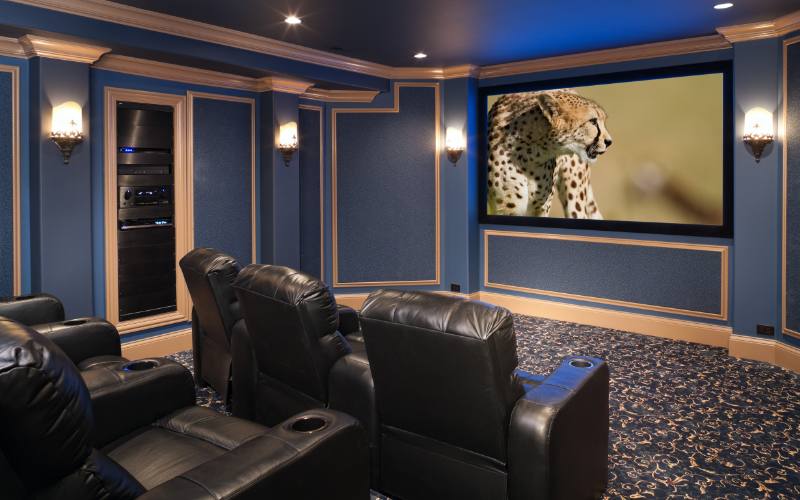
A home theatre is the dream setup for movie buffs, sports fans, and gaming enthusiasts. With the right home theatre design plans, you can bring the cinematic experience into your home without heading to the local multiplex. Whether you’re starting from scratch or upgrading your entertainment space, this guide will walk you through the essential steps to create an immersive viewing experience.
1. Choose the Perfect Space
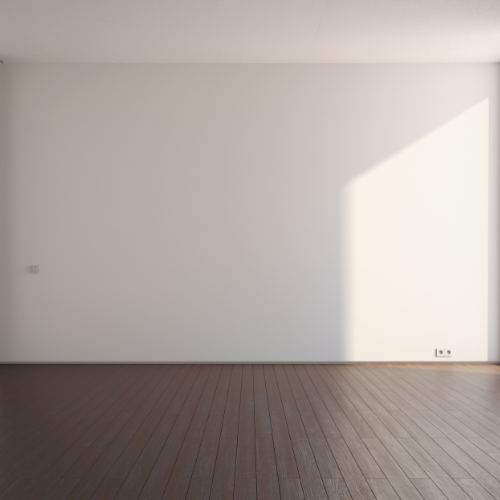
The first step in your home theatre journey is selecting the right room. Ideally, it should be a space where you can control the lighting and sound. Basements or spare rooms work well because they’re naturally darker and can be insulated more easily for sound. If you’re working with a smaller area, don’t worry—home theatre design plans can be tailored to fit snug spaces, making them just as effective.
When selecting the space, consider how many people you’d like to accommodate and the layout. You’ll need enough room for comfortable seating, your home theatre systems, and, of course, the centrepiece—the screen. With thoughtful planning, you can also make the most of storage space in Singapore by choosing furniture and layouts that blend function and style.
2. Screen Options: TV or Projector?
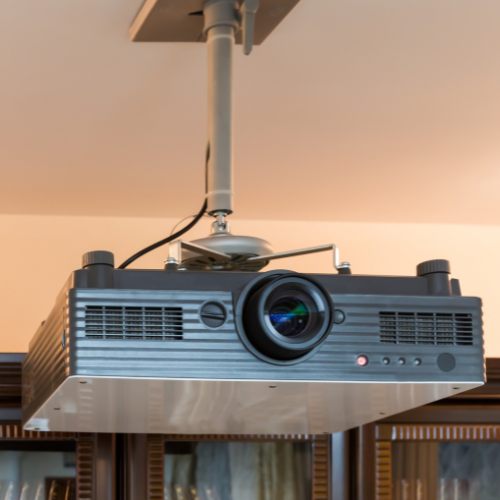
One of the biggest decisions in your home theatre setup is choosing between a TV or a projector. A high-definition TV is a great option for smaller spaces, offering crisp visuals and easy setup. On the other hand, a TV projector provides a larger screen size, making it the go-to choice for a true cinematic feel.
Projectors require more planning. You’ll need a blank wall or a dedicated projector screen and enough distance between the projector and the screen for optimal viewing. Consider the room’s lighting as well. If you can’t achieve complete darkness, opt for a projector with a high lumen count for brighter, clearer images.
3. Sound Matters: Choosing Your Home Theatre Systems
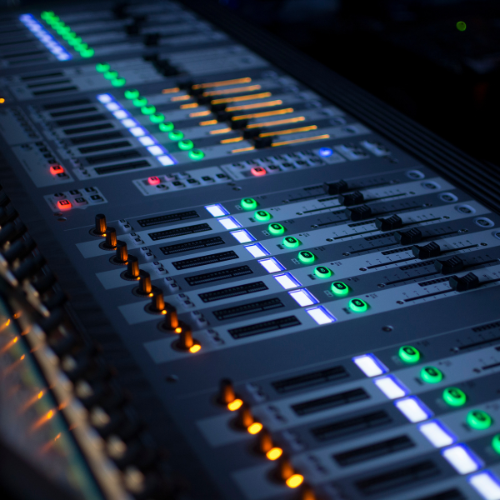
No home theatre is complete without an excellent audio setup. The sound system is what transforms regular TV watching into an immersive experience. A 5.1 surround sound system, with five speakers and a subwoofer, is a popular choice for balanced sound distribution. For a more advanced setup, a 7.1 system adds two additional speakers for a fuller soundscape.
If running wires around your room isn’t appealing, consider wireless home theatre systems. They’re easier to install and provide flexibility in speaker placement. Make sure your speakers are positioned correctly, with the centre speaker placed directly under or above the screen and the others evenly spaced around the room for optimal surround sound.
4. Seating: Comfort Meets Style
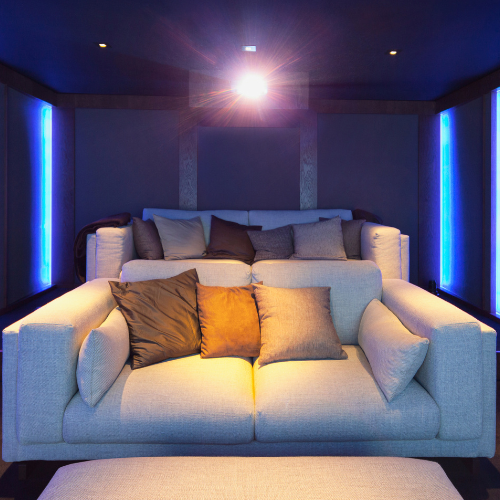
Your seating choice can make or break your home theatre experience. Recliners or plush sofas in Singapore are popular options, offering both comfort and a touch of luxury. If space is limited, consider multi-functional seating like bean bags or foldable chairs that can be stowed away when not in use.
Arrange your seating to ensure everyone has a clear view of the screen. For larger rooms, tiered seating can recreate the feel of a traditional cinema, with no one stuck craning their neck.
CHECK OUT: Loveseat Dilemma: Should You Add One to Your Home?
5. Lighting: Setting the Scene

Lighting plays a crucial role in creating the right atmosphere. Too much light can wash out your screen, while too little can strain your eyes. Consider installing dimmable lights that allow you to adjust the brightness to match your needs.
LED strip lights are a stylish and functional addition to home theatre design plans. Place them along the floor or behind furniture for a subtle glow that enhances the ambience without interfering with the screen.
6. Acoustics: Keep the Sound In
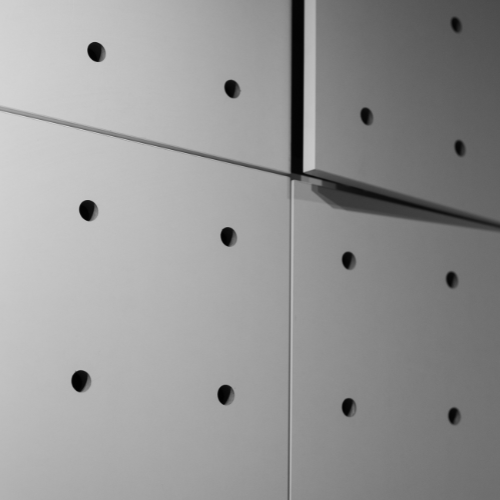
Good acoustics are essential for a home theatre. Hard surfaces can cause sound to bounce around, creating echoes and reducing clarity. Adding carpets, curtains, or acoustic panels can help absorb excess sound and improve the audio quality.
If you’re serious about soundproofing, consider adding insulation to the walls and ceiling. Not only will this enhance the audio experience, but it will also keep the noise from disturbing others in your home.
7. Organise Your Equipment
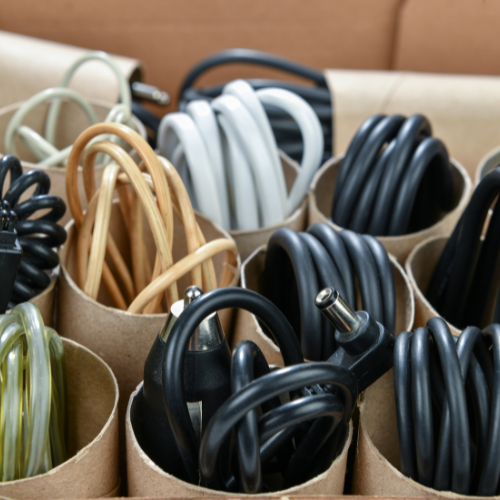
A well-organised home theatre is a functional one. Use a simple storage solution like a media console or a cabinet to store your home theatre systems, gaming consoles, and other equipment. This keeps everything tidy and prevents tangled wires from becoming a trip hazard. Choosing compact, multi-functional furniture is especially helpful when you’re working with limited storage space in Singapore, where maximising every inch is key.
If you’re using a TV projector, ensure the cables are neatly routed to avoid visible clutter. Investing in a universal remote or a smart home hub can simplify controlling multiple devices, allowing you to switch between movie modes with ease.
8. Add Personal Touches

While functionality is key, don’t forget to add some personality to your home theatre. Decorate the walls with movie posters, add a popcorn machine for a fun concession stand vibe, or include cosy blankets and cushions to make the space inviting. These touches make your home theatre uniquely yours and enhance the overall experience.
9. Test and Tweak

Before inviting friends over for a movie marathon, spend some time testing your setup. Check the screen’s brightness and resolution, adjust the sound levels, and experiment with seating arrangements. Small tweaks can make a big difference in your viewing experience.
Lights, Camera, Action!
Building a home theatre is a rewarding project that brings endless entertainment right to your doorstep. With well-thought-out home theatre design plans and the right equipment, you can enjoy a cinematic experience without leaving the house. Whether you opt for a TV projector or a high-definition TV, the result is a space where you can relax, unwind, and immerse yourself in your favourite films, shows, or games.
Start planning your home theatre today and transform your space into a personal cinema. Visit Living Comforts for tips on building the perfect home theatre and creating relaxing spaces where you can truly unwind. From sound setup to cosy seating, make your home the best place to kick back and enjoy.
