
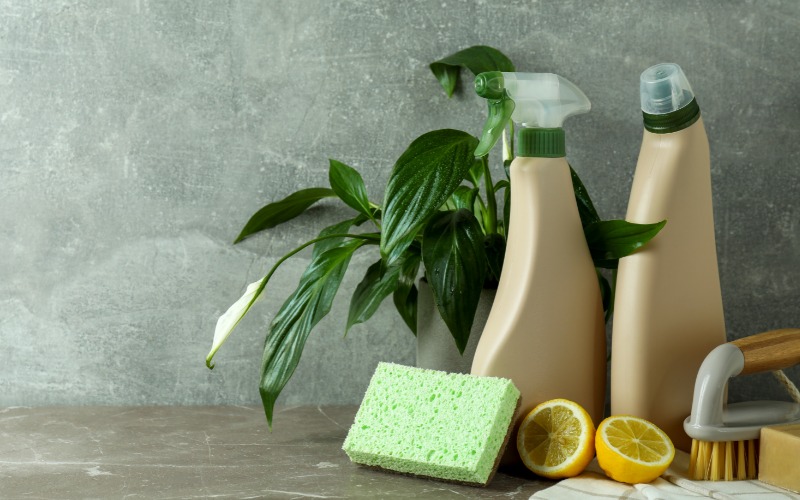
The global movement for environmental awareness continues to spread like wildfire and more people are seeking ways to adopt a sustainable lifestyle. While large-scale changes are essential, making eco-friendly adjustments at home is an impactful way to contribute to the planet’s well-being. From reducing waste to conserving energy, embracing sustainable living in today’s growing smart homes doesn’t have to be overwhelming. These six practical tips will help you integrate sustainable practices into your daily routine, paving the way for a greener and more responsible future.
1. Reduce, Reuse, And Recycle
One of the simple ways to start your sustainable living journey is by adhering to the principles of reducing, reusing, and recycling. Start by decluttering your home and donating items that are still in good condition rather than discarding them. Whenever possible, choose reusable alternatives over single-use items, such as stainless steel water bottles, cloth shopping bags, and beeswax wraps for food storage. Recycling paper, plastics, and metals can significantly minimise waste sent to landfills and promote a circular economy. By making these small changes, you’ll contribute to a more sustainable lifestyle while reducing your environmental footprint.
2. Adopt Energy-Saving Habits
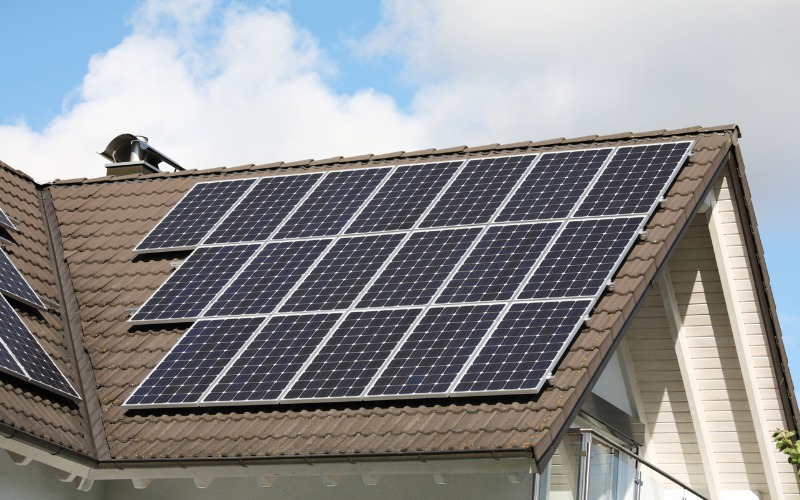
Another foundation of sustainable living is energy conservation. Simple changes such as turning off lights and appliances when not in use, switching to LED bulbs, and relying on natural light during the day can drastically reduce energy consumption. Investing in energy-efficient appliances can also make a long-term difference. For example, a refrigerator or air conditioner with a high energy-efficiency rating not only reduces your electricity bill but also lowers greenhouse gas emissions. Installing solar panels, if feasible, is another excellent step towards living with zero waste and reducing dependency on non-renewable energy sources.
3. Minimise Water Usage
Conserving water is another critical component of a sustainable lifestyle. Simple habits, such as turning off the tap while brushing your teeth or fixing leaks promptly, can save significant amounts of water. Installing water-saving devices like low-flow showerheads and dual-flush toilets can further reduce wastage. For gardening enthusiasts, consider collecting rainwater in barrels for watering plants. By being aware of your water usage, you’ll not only reduce the amount of your water bills but also play a significant role in preserving this precious resource.
4. Opt For Sustainable Food Choices
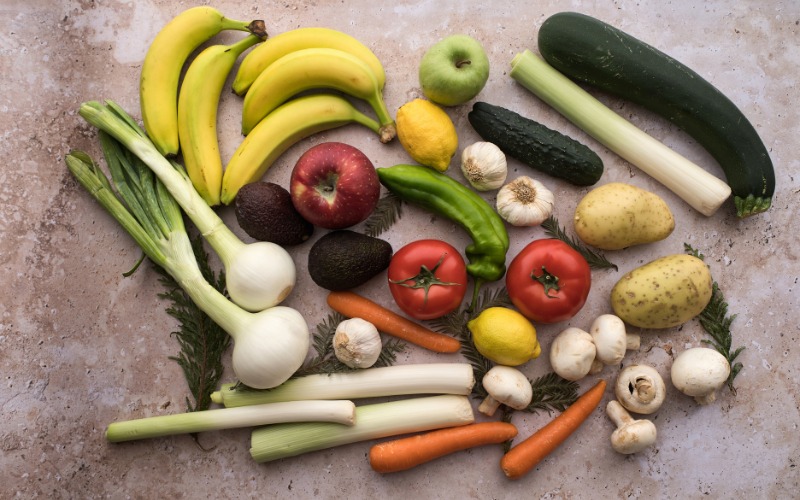
The food you intake can have a severe impact on the environment. Embracing a diet rich in plant-based meals and reducing meat consumption are key ways to adopt a sustainable lifestyle. Locally sourced and organic foods require less transportation and are generally produced with fewer harmful chemicals. Additionally, nurturing your herbs or vegetables using smart home gardening systems can minimise reliance on store-bought produce and reduce packaging waste. Planning meals carefully to avoid food wastage is another effective strategy for living with zero waste.
ALSO READ: 9 Creative Ways To Get Your Kids To Eating More Healthy
5. Transition To Eco-Friendly Cleaning Products
A lot of modern cleaning products contain harmful chemicals that can endanger the environment and prolong the problem of pollution. Look for products with natural ingredients or consider making your own cleaners using household items like vinegar, baking soda, and essential oils. These options are not only better for the planet but also safer for your health. Reusable cleaning cloths or mop heads can further reduce waste compared to disposable alternatives.
6. Create A Composting System
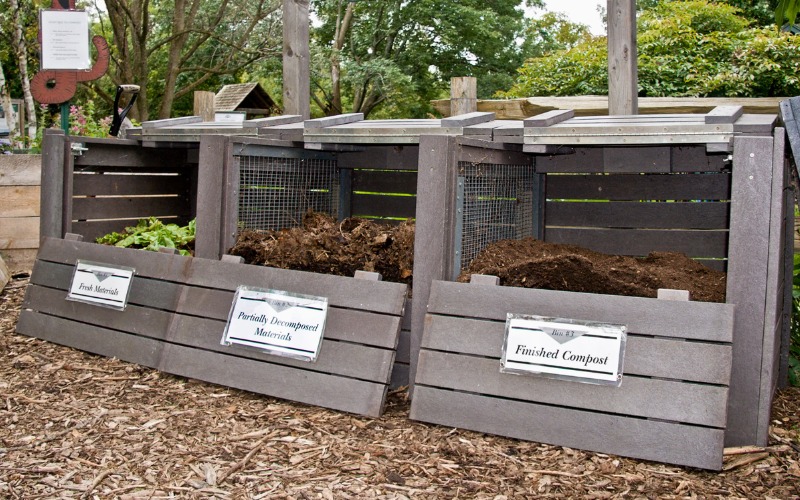
A composting system is a fantastic way to manage organic waste and enrich the soil in your garden. Food scraps, coffee grounds, and yard waste can all be composted, reducing the amount of waste sent to landfills. The nutrient-rich compost produced can be used to fertilise your plants, closing the loop on food waste. For those living in urban spaces, compact compost bins or worm composting systems are excellent options that fit well in small areas.
Key Takeaway
Embracing sustainable living at home is not only beneficial for the environment but also helps create a healthier and more mindful lifestyle. By reducing waste, conserving resources, and making eco-friendly choices, you can play a significant role in protecting the planet. These practical steps are easy to integrate into your daily routine and contribute to a larger movement toward sustainability.
Ready to live beautifully every day? Find décor design guidance, smart room ideas, and lifestyle inspiration by exploring Living Comforts now.
